9M2PJU
amateur radio
ham radio
QSL cards
USSR
AmateurRadio, cqdx, dxing, hamradiohistory, historiccallsigns, moscowolympics1980, olympiccallsigns, qrp, qrzhistory, qslcards, radioarchives, radiocollectors, radiocommunication, RadioEnthusiasts, radiosport, shortwavehistory, sovietamateuradio, soviethamradio, sovietunion, ussrcallsigns
9M2PJU
0 Comments
A Glimpse into the History of USSR Amateur Radio Callsigns
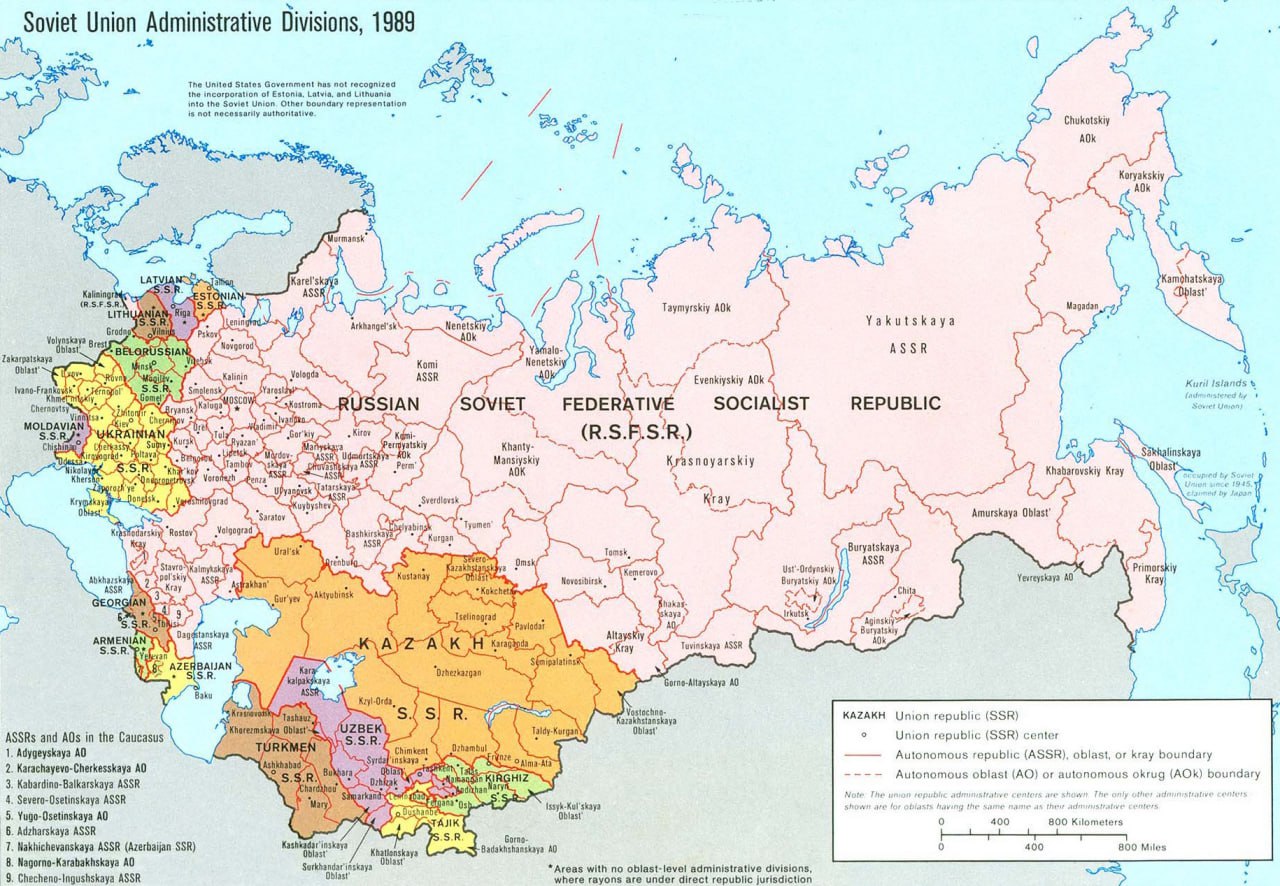
The Soviet Union left a unique legacy in the world of amateur radio, particularly in its structured and geographically coded callsign system. For radio enthusiasts, these callsigns were more than just identifiers—they were signals from behind the Iron Curtain, carrying voices, friendships, and field reports from the largest country on Earth. Let’s take a journey through the history and geography of USSR-era amateur radio callsigns.
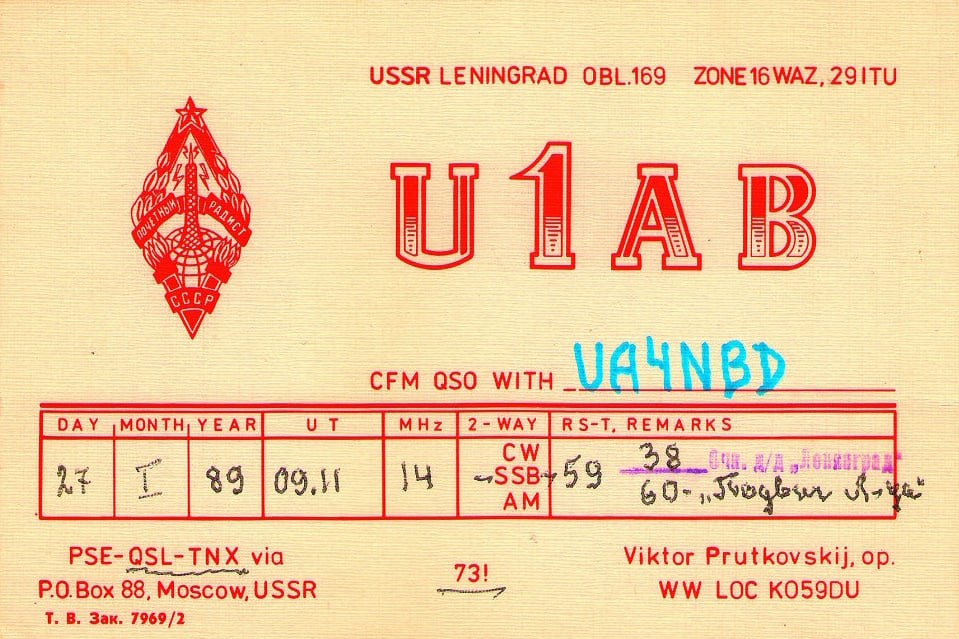
📡 Structure and Regional Prefixes
During the Soviet period, amateur radio callsigns followed a clear regional pattern. The first two letters (or a number and a letter) indicated the oblast or republic from which the signal originated. Here’s a breakdown of some notable call regions and what they represented:
🇷🇺 European Russia
Callsign prefixes like UA1, UV1, UW1, UK1, UZ1, and others were widely used across European Russia. Major cities and regions such as Leningrad (now St. Petersburg), Moscow (UA3, RA3), and southern republics like North Caucasus (UA6, RA6) were assigned their own sets of prefixes. These calls remain nostalgic for many radio operators who remember hearing strong signals from these areas.
🇷🇺 Kaliningrad
A special exclave between Poland and Lithuania, Kaliningrad was assigned UA2, RA2, UK2F, and UZ2F.
🇷🇺 Asiatic Russia
The vast expanse of Siberia and the Russian Far East used UA8, UA9, UA0, RA9, and RA0 among others. Operators from this region often amazed listeners with their long-distance signals despite harsh climates and remote conditions.
🇺🇦 Ukraine
Ukraine’s rich amateur radio history included prefixes such as UB5, UT5, UY5, and others like UK5, UB4, and RB5. Even during the USSR era, Ukrainian operators were among the most active and well-known in international contests.
🇧🇾 Belarus
Prefixes like UC2, RC2, and UK2 were associated with Belarus. Many of these calls are still honored today by Belarusian hams preserving the legacy of their predecessors.
🌍 Caucasus and Central Asia
The diverse republics of the Caucasus—Azerbaijan, Georgia, and Armenia—used unique combinations:
- Azerbaijan: UD6, UD7, RD6, UK6D
- Georgia: UF6, UF7, RF6
- Armenia: UG6, UG7, RG6
Central Asian republics had their own identifiers too:
- Turkmenistan: UH8, RH8
- Uzbekistan: UI8, RI8
- Tajikistan: UJ8, RJ8
- Kazakhstan: UL7, RL7
- Kyrgyzstan: UM8, RM8
🇲🇩 Moldova
Moldovan hams used UO5, RO5, and UK5O among others.
🇪🇪 🇱🇻 🇱🇹 Baltic States
Though absorbed into the USSR, the Baltic countries retained distinct callsigns:
- Estonia: UR2, RR2, UR1
- Latvia: UQ2, RQ2, UQ1
- Lithuania: UP2, RP2, UK2P
🧊 Special Zones & Expeditions
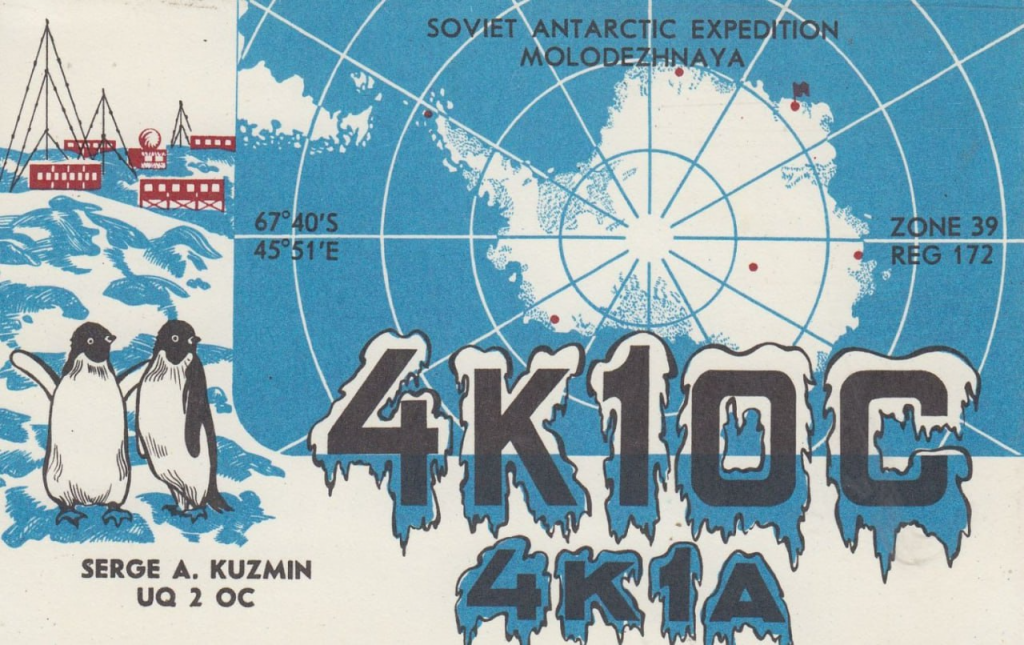
Some callsigns stood out due to their uniqueness:
- Antarctica: 4K1, UA1K
- Franz Josef Land: 4K2, UA1O
- Arctic islands: 4K3, 4K4
- Black Sea islands: 4K5
- North Pole drift stations: 4K0, UPOL-#
🌌 USSR Cosmonauts & Special Projects
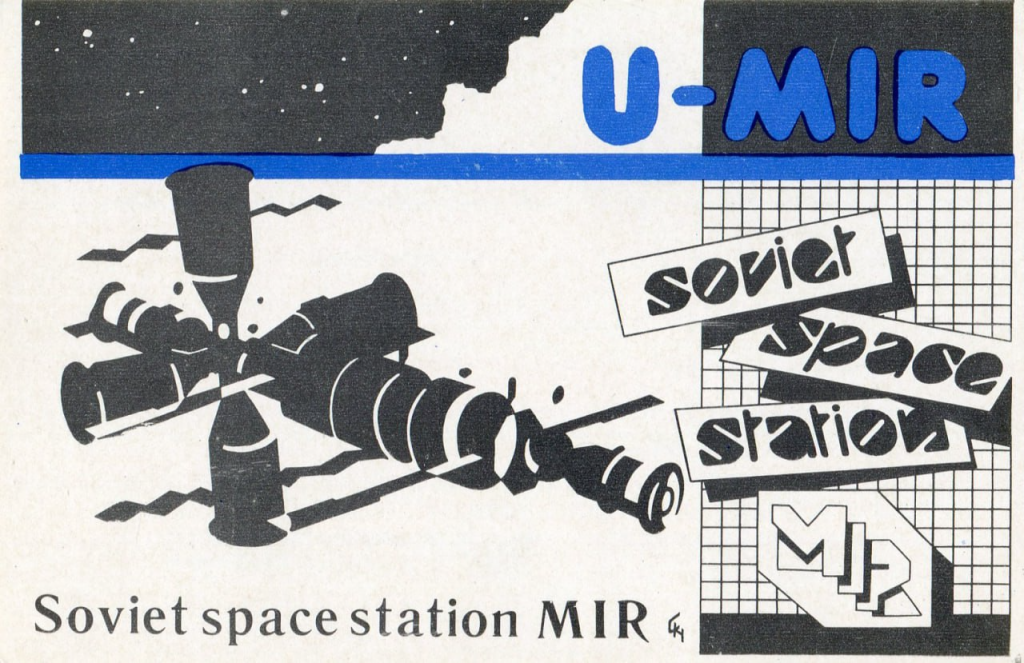
In a truly out-of-this-world use, U1, U2, and other special prefixes like U7 (MIR) were assigned to Soviet cosmonauts communicating from orbit aboard missions like MIR. These calls became legendary in the amateur community.
🌍 Other Notables and Rare Calls
- Malyj Vysotskij Island (MV Island): 4J1F
- EK, EM, EN, EO, EU, EV, EX, EZ: These were assigned to various special operations, DXpeditions, or administrative zones, with many continuing usage post-USSR.
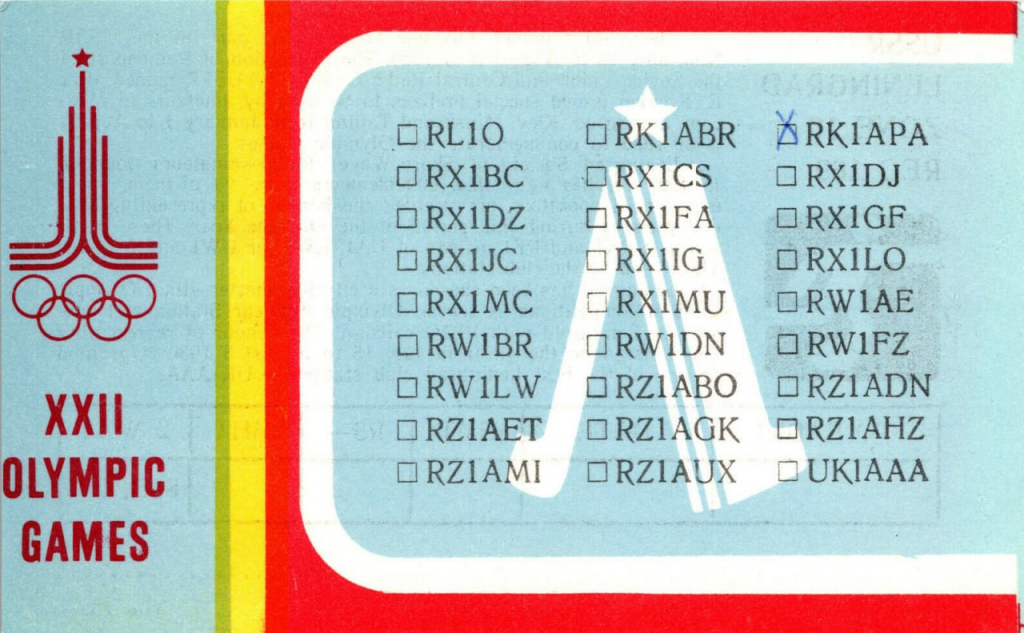
📜 Legacy and Influence
The USSR’s system of callsign allocations created one of the most extensive and geographically rich identifier structures in amateur radio history. Even after the Soviet Union’s dissolution in 1991, many of these prefixes continued to live on, either retained by successor states or commemorated by collectors and DX chasers worldwide.
For hams today, collecting QSL cards from these old USSR regions—like those shared in the QSL_cards Telegram Channel—is not just a hobby. It’s a way of preserving the memory of a time when amateur radio waves transcended political barriers and geographic extremes.


Post Comment