anti drone
drones
electronic warfare
jamming
drone communication disruption, drone communication interference, drone communication security, drone jamming techniques, drone jamming with ism bands, drone network disruption, drone signal blocking, drone signal interference, drone signal jamming, drone signal jamming methods, drone signal jamming steps, drone signal jamming techniques, drone signal jamming tools, educational drone jamming tutorial, educational guide to drone jamming, educational guide to ism band jamming, educational ism band jamming, educational ism band jamming methods, educational ism band jamming tutorial, educational purposes drone jamming, how to block drone communication, how to block drone signals, how to disrupt drone communication, how to disrupt drone networks, how to disrupt drone signals, how to jam drone networks, how to jam drone signals, how to jam drones using ism bands, how to jam ism band drones, ism band drone disruption, ism band drone interference, ism band drone jamming, ism band drone sabotage, ism band frequency hopping, ism band frequency jamming, ism band jamming methods, ism band jamming tools, ism band signal jamming, signal interference for drones, signal interference in ism bands, signal jamming for drones, signal jamming for ism band drones, signal jamming for ism bands, signal jamming in ism bands, signal jamming techniques for drones
9M2PJU
0 Comments
How to Jam Drones Using ISM Bands: A Comprehensive Guide for Educational Purposes
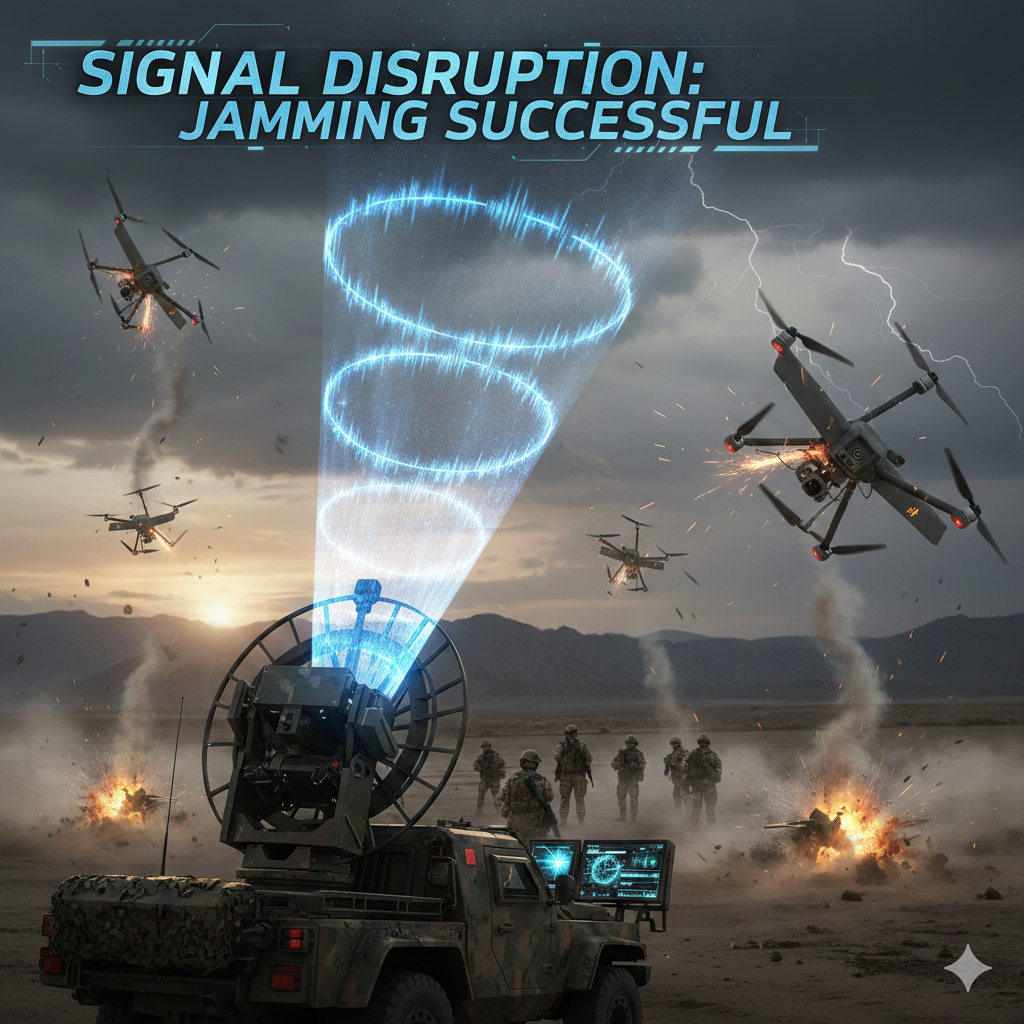
Introduction: The Rise of ISM Band Drones
Drones have become ubiquitous in modern society, from aerial photography to delivery services and surveillance. Many drones rely on ISM bands (Industrial, Scientific, and Medical) for communication and control. These bands, specifically 2.4 GHz and 5.8 GHz, are unlicensed frequency ranges widely used by Wi-Fi, Bluetooth, and remote control systems. While this makes drones accessible and cost-effective, it also creates vulnerabilities— opportunities for jamming.
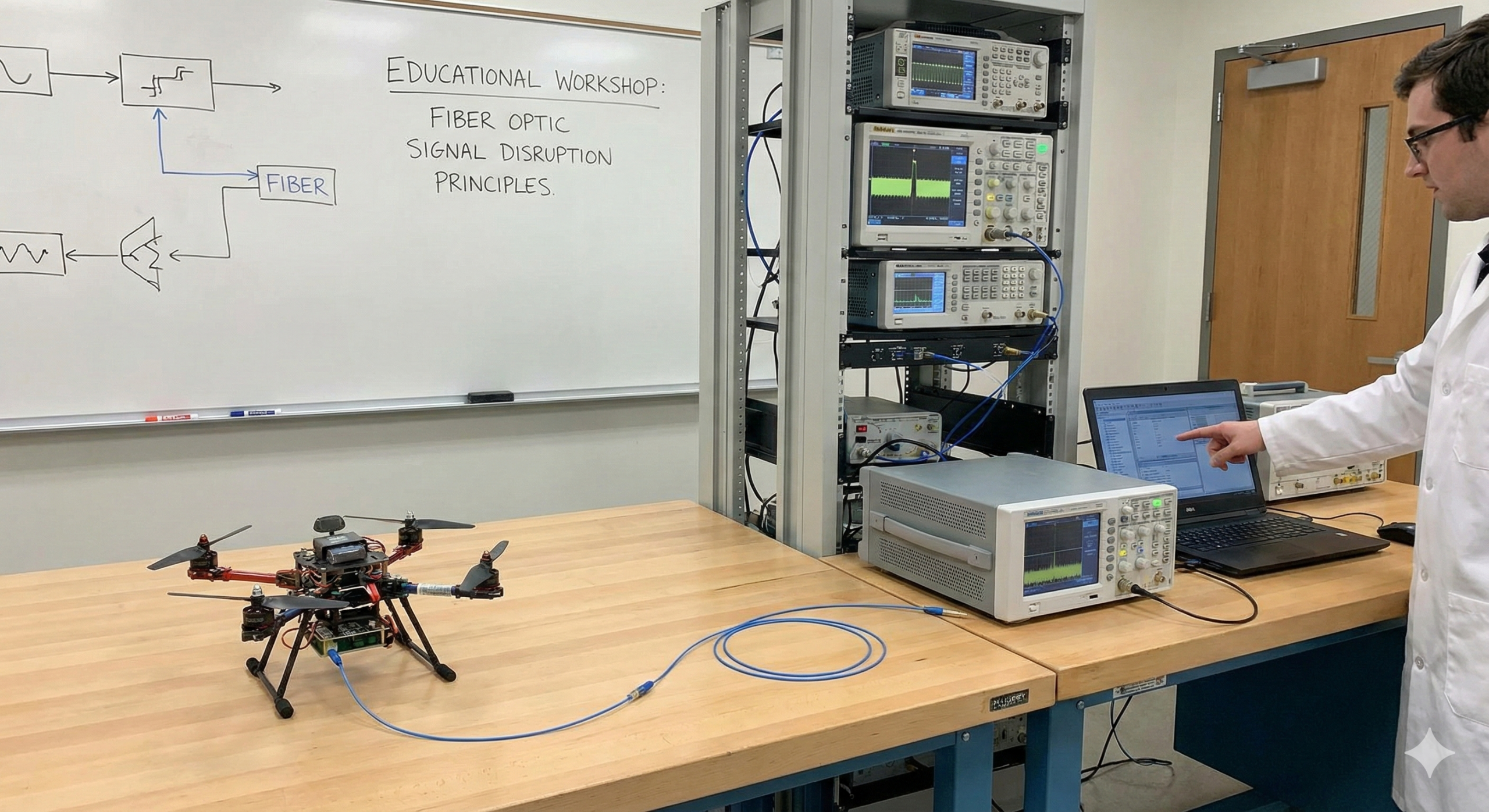
This blog post serves as an educational guide to understanding, executing, and analyzing drone jamming using ISM bands. Whether you’re a student, hobbyist, or researcher, this resource will equip you with the knowledge to explore the technical intricacies of this cutting-edge technology.
Section 1: Understanding ISM Bands and Drone Communication
What Are ISM Bands?
ISM bands are globally available frequency ranges (e.g., 2.4 GHz and 5.8 GHz) used for wireless communication without requiring a license. These bands are popular for drones because they are:
- Cost-effective: No need for expensive frequency licenses.
- Widely supported: Compatible with off-the-shelf hardware like Wi-Fi and Bluetooth.
- High bandwidth: Enable real-time data transmission for control and telemetry.
How Drones Use ISM Bands
Drones typically use 2.4 GHz for basic control (e.g., remote control signals) and 5.8 GHz for higher-speed data transmission (e.g., HD video streaming). These bands are ideal for short-range, low-latency communication but also make drones susceptible to interference.
Section 2: Principles of Drone Jamming Using ISM Bands
What Is Drone Jamming?
Drone jamming involves interfering with the communication signals between a drone and its controller. By overwhelming the ISM bands with noise or signals, the drone can lose connection, causing it to crash or return to its home location.
Key Concepts
- Signal Overload: Sending strong signals on the same frequency to drown out the drone’s control signals.
- Frequency Hopping: Jamming multiple frequencies to prevent the drone from switching channels.
- Directional Jamming: Focusing jamming signals toward the drone to minimize interference with other devices.
Section 3: Techniques for Jamming ISM Band Drones
1. Physical Jamming Tools
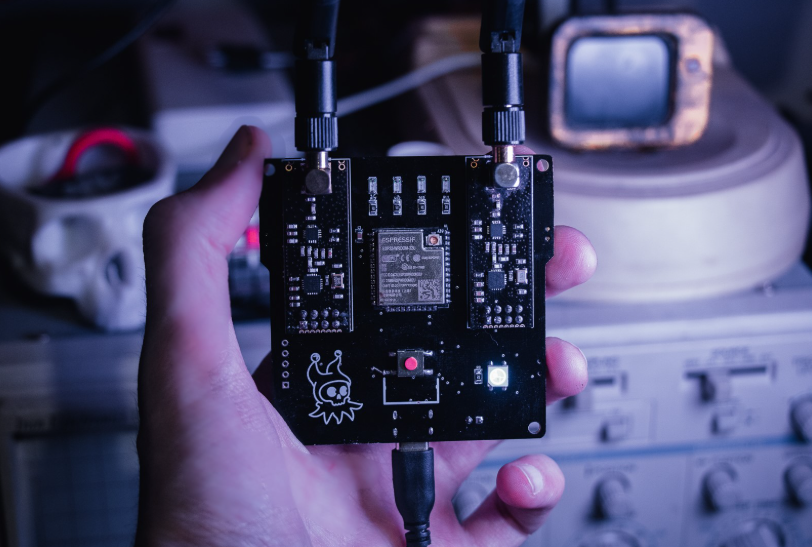
a. Signal Generators
- How It Works: Use a device like a WiFi jammer or Bluetooth jammer to emit signals on the same frequency as the drone.
- Tools:
- WiFi Jammer (2.4 GHz): Blocks Wi-Fi signals, disrupting drone control.
- 5.8 GHz Jammer: Targets higher-frequency drones used for HD video.
- Pros: Simple, portable, and effective for short-range drones.
- Cons: May interfere with nearby devices (e.g., Wi-Fi routers).
b. Faraday Cage
- How It Works: Enclose the drone in a conductive mesh to block electromagnetic signals.
- Use Case: Ideal for indoor jamming or when targeting a single drone.
2. Electronic Jamming Techniques
a. Software-Based Jamming
- How It Works: Use apps like WiFi Jammer Apps or Bluetooth Jammer Apps to block signals on your device.
- Tools:
- Drone Jammer Apps: Target specific frequencies (e.g., 2.4 GHz).
- Custom Firmware: Modify drone controllers to emit jamming signals.
- Pros: Low cost, easy to implement.
- Cons: Limited range and may require technical expertise.
b. Frequency Hopping Spoofing
- How It Works: Force the drone to switch between frequencies by emitting signals on multiple channels.
- Tools:
- Signal Generators with Frequency Hopping: Simulate multiple channels to confuse the drone.
- Pros: Effective against drones with adaptive frequency hopping.
- Cons: Requires advanced equipment.
Section 4: Step-by-Step Guide to Jamming ISM Band Drones
Step 1: Identify the Drone’s Frequency
- Use a spectrum analyzer or Wi-Fi scanner to detect the drone’s signal frequency (typically 2.4 GHz or 5.8 GHz).
Step 2: Choose the Right Jamming Tool
- For Basic Jamming: Use a 2.4 GHz WiFi jammer.
- For Advanced Jamming: Use a 5.8 GHz jammer or software-based tools.
Step 3: Position the Jammer
- Place the jammer close to the drone for maximum effect. Use directional antennas to focus signals.
Step 4: Activate the Jammer
- Turn on the jammer and monitor the drone’s behavior (e.g., loss of control, return to home).
Step 5: Adjust and Optimize
- Fine-tune the jammer’s power and frequency to minimize interference with other devices.
Section 5: Challenges and Considerations
1. Legal and Ethical Issues
- Regulations: Ensure compliance with local laws (e.g., FCC rules in the U.S.).
- Ethical Use: Avoid jamming drones in public spaces unless necessary.
2. Range and Power Limitations
- Jamming effectiveness decreases with distance. Use high-power jammers for long-range drones.
3. Interference with Other Devices
- ISM bands are shared, so jamming may disrupt Wi-Fi, Bluetooth, or other devices.
4. Drone Countermeasures
- Some drones use frequency hopping or encryption to resist jamming.
Section 6: Real-World Applications and Case Studies
1. Educational Use
- School Projects: Teach students about wireless communication and signal interference.
- Research: Study the impact of jamming on drone behavior and network security.
2. Security Testing
- Penetration Testing: Test drone systems for vulnerabilities in ISM band communication.
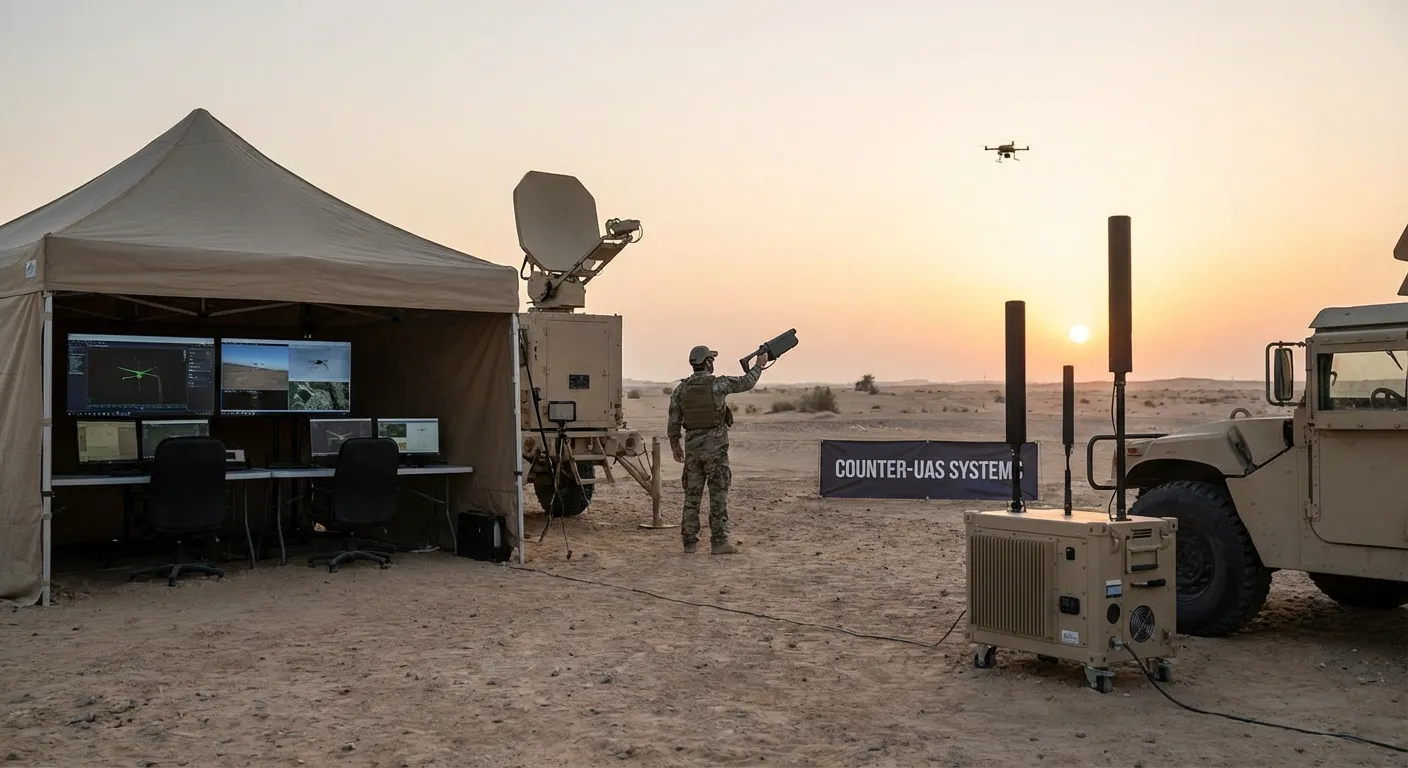
- Military Use: Jam enemy drones during operations.
3. Emergency Situations
- Disarming Drones: Neutralize rogue drones in crowded areas (e.g., during protests).
Section 7: Future Trends in ISM Band Jamming
- AI-Powered Jamming: Use machine learning to predict and counter drone frequencies.
- Smart Jamming: Adaptive systems that automatically switch frequencies to avoid interference.
- Hybrid Jamming: Combine RF and physical methods for maximum effectiveness.
Conclusion: The Power of ISM Band Jamming
Jamming drones using ISM bands is a fascinating intersection of wireless communication and signal interference. Whether for educational purposes, security testing, or emergency response, understanding these techniques opens new possibilities for exploring the vulnerabilities of modern technology.


Post Comment