anti drone
drones
electronic warfare
advanced fiber optic jamming methods, drone communication interference, drone fiber optic disruption, drone signal jamming, drone surveillance jamming, educational guide to fiber optic jamming, educational purposes fiber optic jamming, fiber optic cable disruption, fiber optic cable sabotage, fiber optic drone jamming, fiber optic drone security, fiber optic network vulnerabilities, fiber optic technology, how to block fiber optic drones, how to disrupt fiber optic drones, how to jam fiber optic drones, signal interference techniques, signal jamming techniques
9M2PJU
0 Comments
How to Jam Fiber Optic Drones: A Comprehensive Guide for Educational Purposes
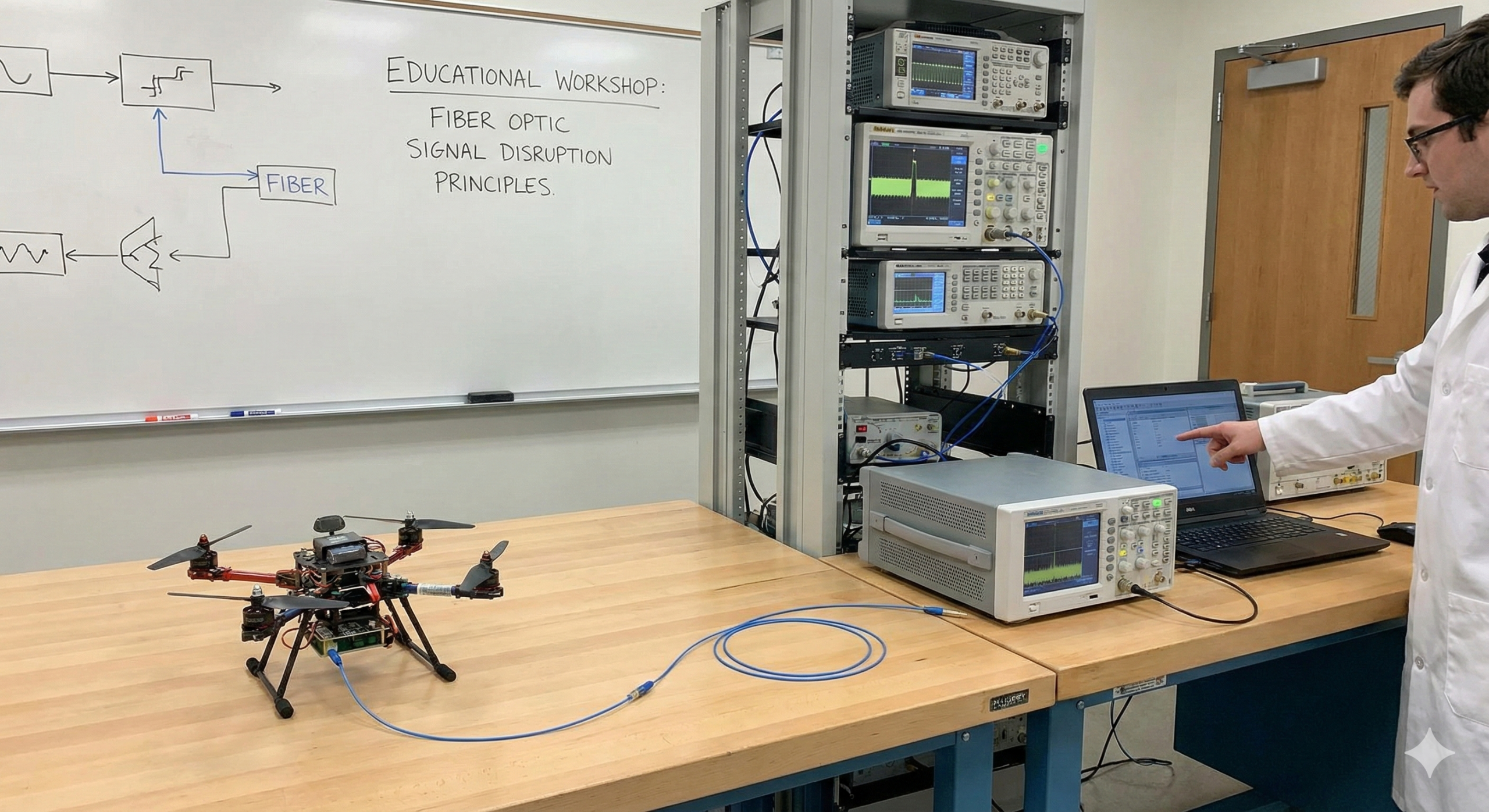
The Rise of Fiber Optic Drones
Fiber optic drones have revolutionized industries ranging from telecommunications to surveillance, offering unparalleled speed, reliability, and security. These drones utilize fiber optic cables to transmit data at near-light speeds, enabling real-time monitoring, high-definition imaging, and seamless connectivity. However, their reliance on fiber optics also makes them vulnerable to targeted disruptions—a concept known as fiber optic jamming.
This blog post serves as an in-depth educational guide to understanding, executing, and analyzing fiber optic drone jamming. Whether you’re a student, researcher, or enthusiast, this resource will equip you with the knowledge to explore the technical intricacies of this cutting-edge technology.
Section 1: Understanding Fiber Optic Technology
Before delving into jamming, it’s essential to grasp the fundamentals of fiber optic systems.
1.1 What Are Fiber Optic Cables?
Fiber optic cables consist of thin strands of glass or plastic (called optical fibers) that transmit data as light pulses. These pulses are generated by laser diodes or LEDs and travel through the fibers via total internal reflection, minimizing signal loss.
- Components of a Fiber Optic System:
- Transceivers: Convert electrical signals to light and vice versa.
- Fiber Optic Cables: The physical medium for data transmission.
- Modems/Receivers: Decode the light signals into usable data.
- Optical Amplifiers: Boost signal strength over long distances.
1.2 How Fiber Optic Drones Work
Fiber optic drones use these cables to connect to ground stations or other drones, enabling real-time data exchange. For example:
- Surveillance Drones: Transmit live video feeds via fiber to a control center.
- Telecom Drones: Deploy fiber networks in remote areas.
- Industrial Drones: Monitor infrastructure using fiber-linked sensors.
Key Advantage: Fiber optics are immune to electromagnetic interference (EMI), making them ideal for high-security applications.
Section 2: The Concept of Fiber Optic Jamming
Jamming fiber optic drones involves disrupting the light signals within the cable to prevent data transmission. While fiber optics are inherently resilient to EMI, they are not immune to physical tampering or signal interference.
2.1 Types of Fiber Optic Jamming
There are two primary methods: physical jamming and electronic jamming.
2.2 Physical Jamming
Physical jamming targets the physical integrity of the fiber cable.
- Cutting the Fiber: Severing the cable interrupts the light path.
- Inserting a Splice with a Signal Blocker: Using a splice (a connector between two fibers) to introduce a short circuit or noise.
- Looping the Fiber: Creating a loop to cause signal reflection and interference.
Tools Required:
- Fiber optic cutters
- Splice kits
- Loopers or fiber loops
- Optical time-domain reflectometer (OTDR) for diagnostics
2.3 Electronic Jamming
Electronic jamming disrupts the signal digitally.
- Injecting Noise: Introducing random light pulses to overwhelm the signal.
- Using a Faraday Cage: Blocking external signals from reaching the fiber.
- Modulating the Light Source: Altering the frequency or intensity of the light to distort the signal.
Tools Required:
- Light sources (e.g., laser diodes)
- Signal generators
- Optical attenuators
- Software for signal analysis
Section 3: Step-by-Step Guide to Jamming Fiber Optic Drones
This section provides a detailed, actionable roadmap for executing fiber optic jamming.
3.1 Pre-Jamming Preparation
- Identify the Fiber Path: Use tools like OTDR or GPS to map the drone’s fiber connection.
- Gather Equipment: Ensure you have all physical and electronic tools listed above.
- Assess Risks: Determine the potential impact of jamming (e.g., data loss, system downtime).
3.2 Physical Jamming Techniques
Step 1: Locate the Fiber Cable
- Use a fiber optic identifier to detect the cable’s location.
- Mark the entry/exit points for the drone’s connection.
Step 2: Cut the Fiber
- Use a fiber optic cutter to sever the cable.
- Avoid overcutting to prevent signal fragmentation.
Step 3: Insert a Splice with a Signal Blocker
- Splice the cable using a fusion splicer.
- Insert a signal blocker (e.g., a short piece of fiber with a reflective coating) into the splice.
Step 4: Monitor the Signal
- Use an OTDR to verify the disruption.
- Adjust the splice or cut as needed to maximize signal loss.
3.3 Electronic Jamming Techniques
Step 1: Inject Noise
- Connect a noise generator to the fiber’s transceiver.
- Adjust the noise frequency to match the drone’s signal.
Step 2: Modulate the Light Source
- Use a laser diode modulator to alter the light’s intensity or frequency.
- Ensure the modulation aligns with the drone’s communication protocol.
Step 3: Deploy a Faraday Cage
- Surround the drone’s fiber connection with a Faraday cage to block external signals.
- Use a signal analyzer to confirm the effectiveness.
Step 4: Analyze the Results
- Use optical spectrum analyzers to detect signal distortion.
- Adjust parameters (e.g., noise level, modulation frequency) for optimal jamming.
Section 4: Challenges and Limitations
While fiber optic jamming is effective, it has inherent challenges:
4.1 Physical Accessibility
- Jamming requires physical access to the fiber cable, which may be difficult in remote or protected areas.
4.2 Signal Restoration
- Once the cable is cut or spliced, restoration requires reconnection, which can be time-consuming.
4.3 Environmental Factors
- Temperature changes or mechanical stress can degrade the fiber’s performance, complicating jamming efforts.
4.4 Countermeasures
- Redundant Fiber Paths: Drones may use multiple cables to bypass single-point failures.
- Dynamic Signal Adjustment: Advanced drones can adapt to jamming by switching frequencies.
Section 5: Real-World Applications and Case Studies
5.1 Military Surveillance Drones
- In conflict zones, fiber optic drones are often jammed to disrupt enemy reconnaissance.
5.2 Industrial Monitoring Systems
- Jamming has been used to temporarily disable drones monitoring critical infrastructure (e.g., power grids).
5.3 Educational Use Cases
- Students and researchers use fiber optic jamming to study signal integrity, network resilience, and cybersecurity.
Section 6: Future Trends in Fiber Optic Jamming
As fiber optic technology evolves, so do jamming techniques:
- AI-Driven Jamming: Machine learning algorithms optimize signal disruption in real-time.
- Quantum Fiber Optics: Quantum-resistant fibers may reduce jamming effectiveness.
- Hybrid Jamming: Combining physical and electronic methods for maximum disruption.
Section 7: Ethical and Legal Considerations
While jamming is a technical process, it raises ethical and legal questions:
- Authorization: Ensure you have permission to disrupt the drone’s signal.
- Impact Assessment: Minimize collateral damage to other systems.
- Data Privacy: Avoid intercepting or altering sensitive data unless authorized.
Conclusion: The Educational Value of Fiber Optic Jamming
Fiber optic jamming is a fascinating intersection of physics, engineering, and cybersecurity. By understanding its principles, you gain insight into the vulnerabilities of high-speed communication systems. This knowledge is invaluable for students, professionals, and researchers exploring the future of telecommunications and network security.
Whether you’re preparing for a project, a competition, or simply curious about the technology, this guide equips you to explore fiber optic jamming with confidence. Remember: the goal is education, not destruction—so always practice safe, ethical experimentation.




Post Comment