aircraft
aviation
maintenance
air safety, aircraft inspection, aircraft maintenance automation, aircraft maintenance best practices, aircraft maintenance career, aircraft maintenance certifications, aircraft maintenance checklist, aircraft maintenance checklist download, aircraft maintenance checklist examples, aircraft maintenance checklist for aircraft owners, aircraft maintenance checklist for airlines, aircraft maintenance checklist for engineers, aircraft maintenance checklist for flight crews, aircraft maintenance checklist for maintenance crews, aircraft maintenance checklist for maintenance engineers, aircraft maintenance checklist for maintenance managers, aircraft maintenance checklist for maintenance staff, aircraft maintenance checklist for maintenance supervisors, aircraft maintenance checklist for maintenance technicians, aircraft maintenance checklist for pilots, aircraft maintenance checklist generator, aircraft maintenance checklist pdf, aircraft maintenance checklist template, aircraft maintenance checklist template excel, aircraft maintenance checks, aircraft maintenance compliance, aircraft maintenance costs, aircraft maintenance efficiency, aircraft maintenance equipment, aircraft maintenance guidelines, aircraft maintenance importance, aircraft maintenance innovations, aircraft maintenance jobs, aircraft maintenance manual, aircraft maintenance procedures, aircraft maintenance procedures pdf, aircraft maintenance protocols, aircraft maintenance regulations, aircraft maintenance safety, aircraft maintenance schedule, aircraft maintenance software, aircraft maintenance software solutions, aircraft maintenance standards, aircraft maintenance standards pdf, aircraft maintenance tools, aircraft maintenance training, aircraft maintenance training courses, aircraft maintenance trends, aviation maintenance, aviation maintenance tips, flight safety, preventive maintenance in aviation
9M2PJU
0 Comments
The ABCs of Air Safety: What Are Aircraft Maintenance Checks?
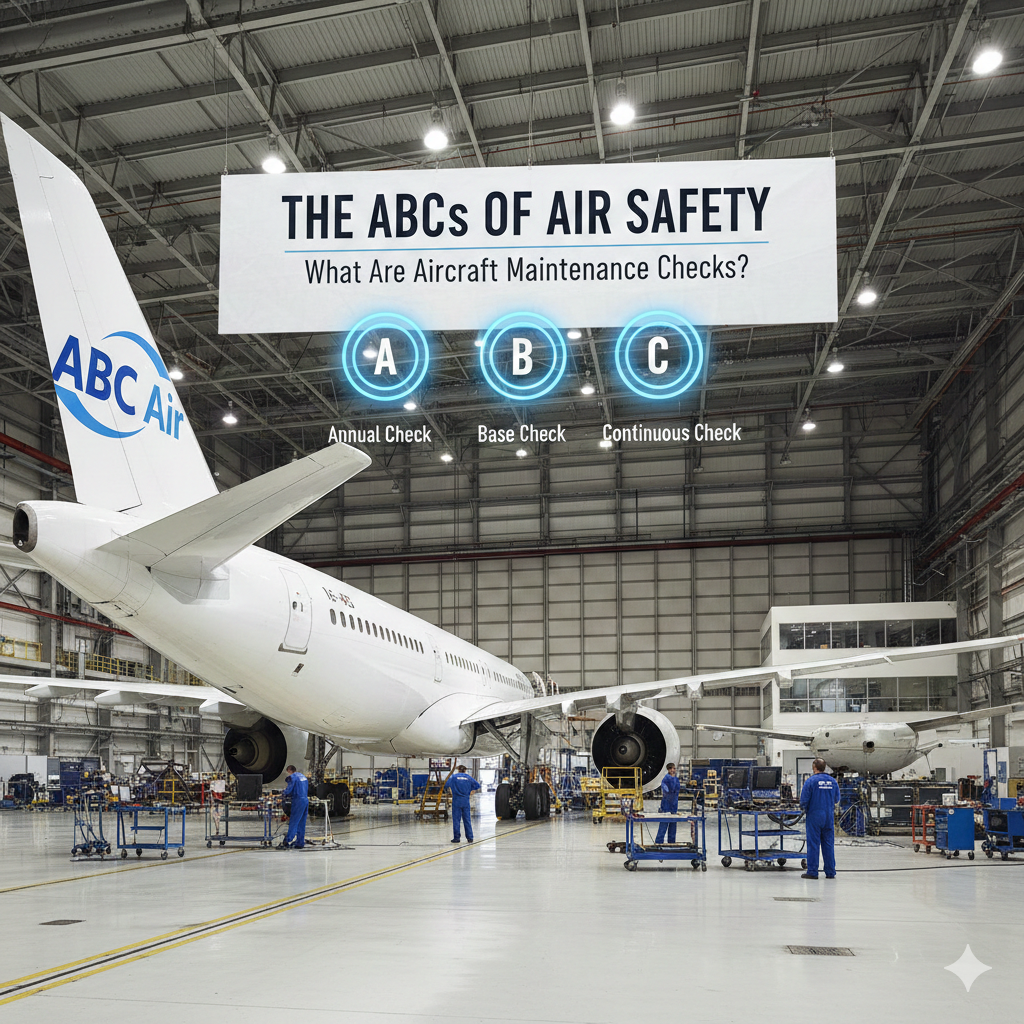
Air travel is one of the safest modes of transportation, but behind every smooth flight lies a complex web of meticulous maintenance checks. These checks are the unsung heroes of aviation, ensuring that every aircraft is in peak condition before it takes off. In this blog post, we’ll break down the ABCs of aircraft maintenance checks—exploring their importance, types, and how they keep you safe in the skies.
A: The Basics of Aircraft Maintenance
Aircraft maintenance is the process of inspecting, repairing, and upgrading an airplane to ensure it meets safety and performance standards. It’s divided into scheduled and unscheduled checks, each tailored to specific needs.
Scheduled Checks are routine and occur at regular intervals (e.g., daily, weekly, or annually), while Unscheduled Checks are performed when a malfunction or anomaly is detected. These checks are mandated by aviation authorities like the FAA (Federal Aviation Administration) and EASA (European Union Aviation Safety Agency) to ensure compliance with global safety standards.
B: The Building Blocks of Maintenance Checks
Maintenance checks are categorized into three primary levels, each with distinct scopes and frequencies:
- Line Maintenance (Daily/Weekly Checks)
- What It Involves: Quick inspections of critical systems (e.g., engines, landing gear, avionics) before and after flights.
- Why It Matters: Detects minor issues like tire wear, fluid leaks, or minor electrical faults.
- Example: A technician might check the aircraft’s hydraulic systems during a pre-flight inspection to ensure they’re functioning smoothly.
- Base Maintenance (Monthly/Annual Checks)
- What It Involves: More comprehensive inspections, including engine overhauls, component replacements, and system diagnostics.
- Why It Matters: Addresses wear and tear from regular use, such as degraded seals or aging wiring.
- Example: A base maintenance check might involve replacing a worn-out brake pad or recalibrating the flight control systems.
- Heavy Maintenance (Every 1,500–3,000 Flight Hours)
- What It Involves: Major overhauls, such as engine disassembly, structural inspections, and software updates.
- Why It Matters: Prevents catastrophic failures by addressing long-term stress on the airframe and systems.
- Example: A heavy maintenance check might involve inspecting the fuselage for micro-fractures or replacing the aircraft’s avionics suite.
C: The Crucial Role of Maintenance in Air Safety
Maintenance checks are not just about fixing problems—they’re about preventing them. Here’s how they contribute to air safety:
- Preventing Mechanical Failures
- Regular checks catch issues before they escalate. For example, a small fuel leak detected during a line maintenance check could prevent a mid-air fire.
- Ensuring Regulatory Compliance
- Aviation authorities require strict adherence to maintenance schedules. Non-compliance can lead to grounding of aircraft or even fines.
- Enhancing Passenger Confidence
- Knowing that your aircraft undergoes rigorous checks reassures passengers. In 2023, the FAA reported a 99.98% safety rate for U.S. airlines, largely due to robust maintenance protocols.
- Cost Efficiency
- Proactive maintenance reduces the risk of expensive emergency repairs. For instance, replacing a faulty sensor during a base check is cheaper than a full engine replacement after a mid-flight failure.
The Human Element: Skilled Technicians and Advanced Tech
Modern aircraft maintenance is a blend of human expertise and cutting-edge technology. Technicians use tools like borescopes (to inspect engine interiors) and ultrasonic testing (to detect hidden cracks) to ensure precision. AI and predictive analytics now help forecast potential issues by analyzing data from sensors, enabling predictive maintenance that minimizes downtime.
Why Every Flight Relies on Maintenance Checks
Imagine a world without maintenance checks: engines could fail mid-flight, hydraulics might lose pressure, and avionics could malfunction. These checks are the backbone of aviation safety, ensuring that every aircraft is ready to handle the unpredictable challenges of the skies.
Conclusion: Flying Safe, Flying Smart
The ABCs of aircraft maintenance—from daily checks to heavy overhauls—form the foundation of air safety. By understanding these checks, we gain appreciation for the invisible work that keeps us aloft. Next time you board a flight, remember: your safety is in the hands of skilled technicians and rigorous protocols, all working behind the scenes to make every journey smooth and secure.




Post Comment