Amateur Radio: A Timeless Tool for Communication, Education, and Community

Exploring the Real-Life Applications, Advantages, and Challenges of Ham Radio
Amateur radio, often called “ham radio,” is a fascinating blend of technology, science, and human connection. While it may seem like a niche hobby to some, its applications in real life are profound, spanning disaster response, education, global connectivity, and even space exploration. This blog post delves into the practical uses of amateur radio, its advantages, disadvantages, and how it continues to shape the world in unexpected ways.
What is Amateur Radio?
Amateur radio is a hobby and service where licensed individuals use radio frequencies to communicate for personal enjoyment, experimentation, and public service. Operators, known as hams, use a variety of equipment-ranging from simple handheld transceivers to complex home stations-to exchange messages, share knowledge, and connect with others worldwide.
Key features:
- Licensed operation: Hams must pass exams to obtain a license (e.g., FCC in the U.S., Ofcom in the UK and MCMC in Malaysia).
- Frequency bands: Ranging from low-frequency (LF) to microwave bands, each suited for different purposes (e.g., HF for long-distance, VHF for local).
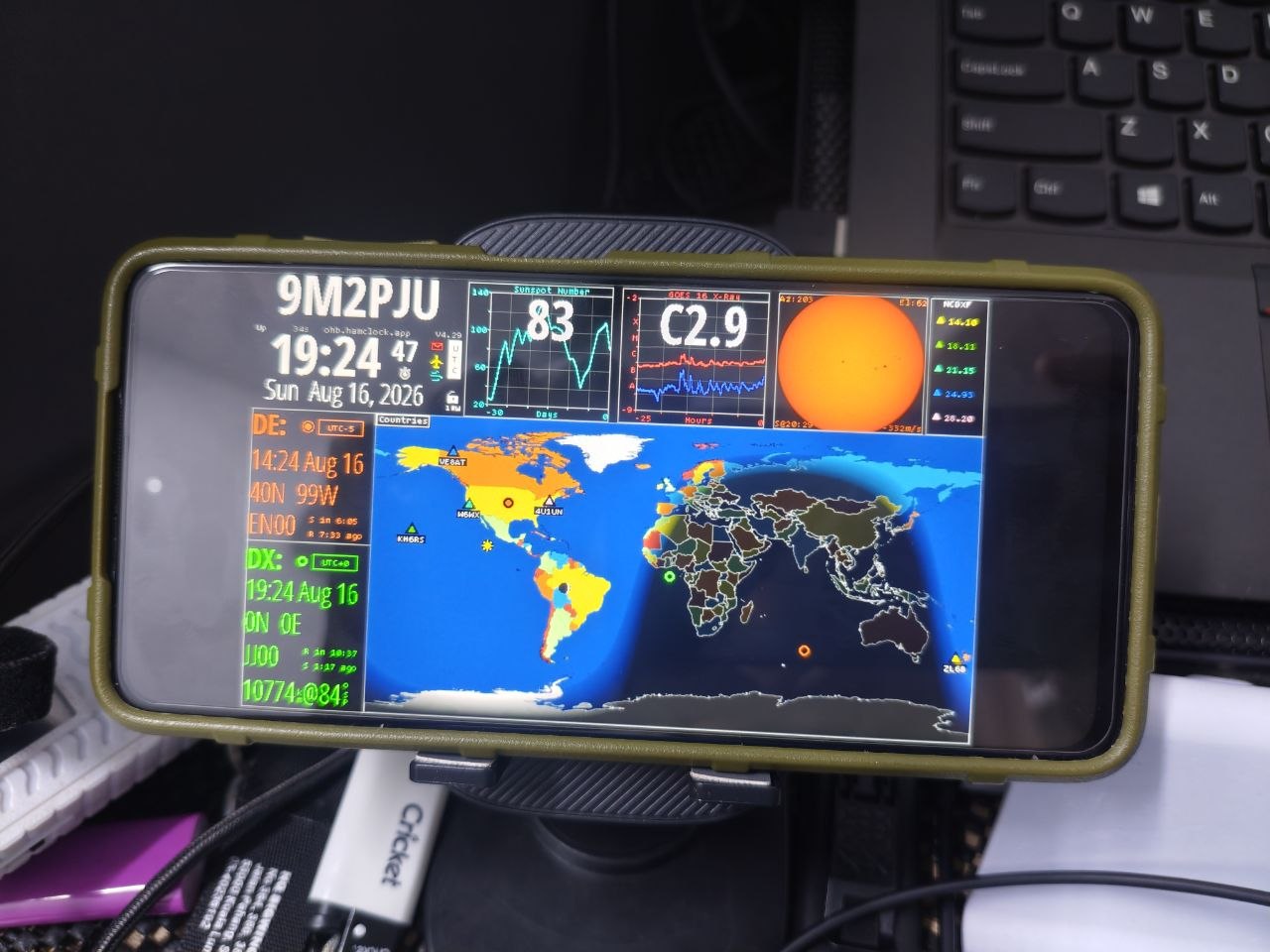
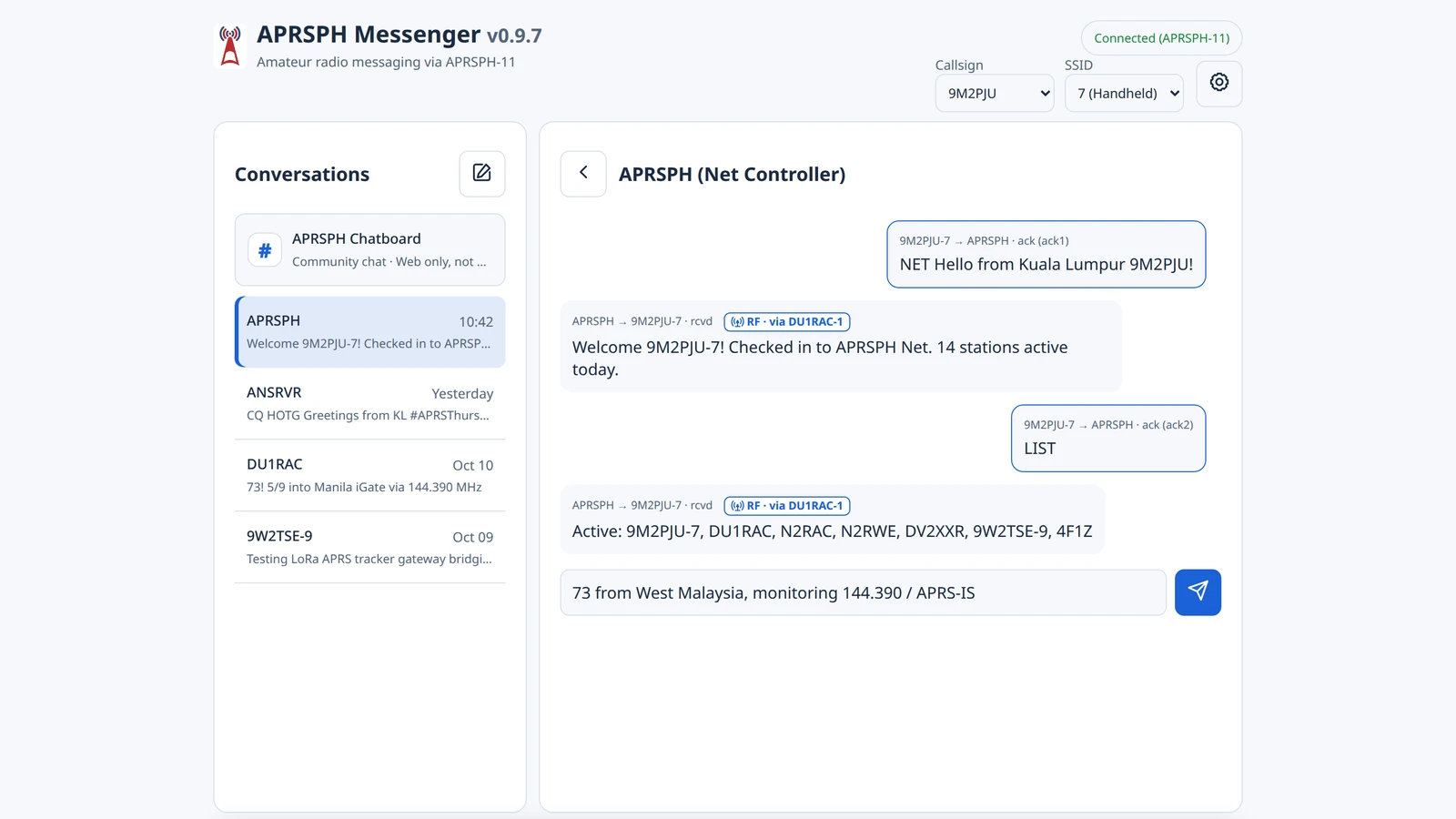
- Call signs: Unique identifiers (e.g., 9M2PJU) assigned to operators.
Real-Life Applications of Amateur Radio
1. Emergency Communication and Disaster Response
Amateur radio is a lifeline during natural disasters or emergencies when traditional communication systems fail.
- Examples:
- During Hurricane Katrina (2005), hams provided critical communication links for rescue operations.
- In Japan’s 2011 earthquake and tsunami, Amateur radio operators relayed information to emergency services.
- How it works: Hams use emergency nets (scheduled communication channels) to coordinate with authorities, share updates, and assist in search-and-rescue missions.
2. Education and Skill Development
Amateur radio is a powerful educational tool, especially in schools and technical training.
- School programs: Initiatives like ARRL’s Youth Radio teach students about electronics, physics, and coding through hands-on projects.
- Skill-building: Operators learn to build antennas, troubleshoot equipment, and understand radio theory-skills applicable to careers in engineering, IT, or aerospace.
- Global collaboration: Students in different countries can communicate via amateur radio, fostering cultural exchange and teamwork.
3. Community and Public Service
Amateur radio operators often engage in public service projects:
- Healthcare support: During the COVID-19 pandemic, hams helped relay medical information and coordinate vaccine distribution.
- Community events: Operators support marathons, festivals, and local emergencies by providing communication support.
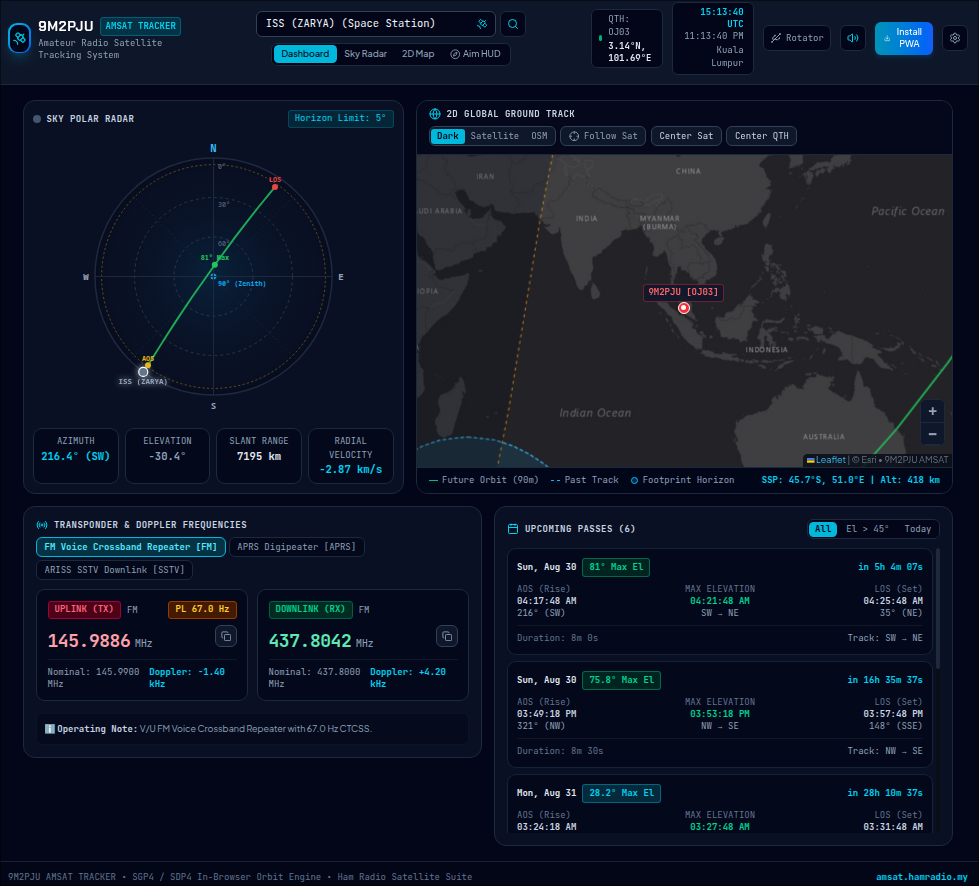
- Space communication: Hams collaborate with NASA and other agencies to track satellites, conduct experiments, and even communicate with the International Space Station (ISS).
4. Global Connectivity and Cultural Exchange
Amateur radio transcends borders, connecting people across the globe.
- Long-distance communication: Using HF bands, hams can chat with operators in Europe, Asia, or Antarctica.
- Cultural exchange: Operators share stories, music, and traditions, creating a global community of enthusiasts.
- Satellite operations: Hams use amateur satellites (like AO-9B) to experiment with space communication and share data.
Advantages of Amateur Radio
- Reliable Communication in Emergencies
- Hams are often the first to restore communication during disasters, providing critical support when infrastructure is down.
- Cost-Effective Learning Tool
- Entry-level equipment is affordable, making it accessible for hobbyists and educators.
- Skill Development and Innovation
- Operators gain technical expertise in electronics, programming, and problem-solving.
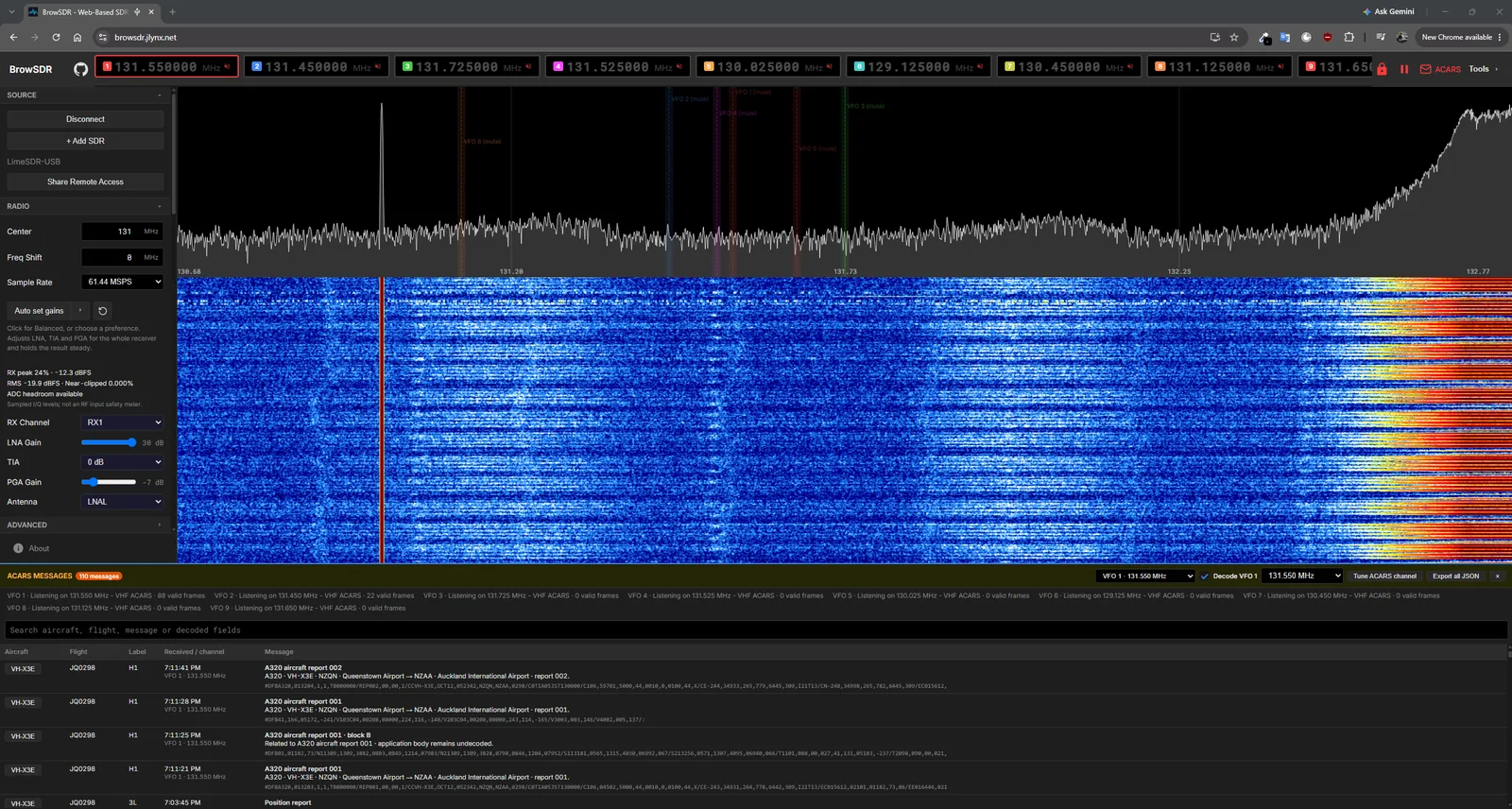
- Hams innovate with digital modes (e.g., FT8, PSK31) and software-defined radios (SDRs).
- Global Community and Collaboration
- The amateur radio community is diverse, fostering international cooperation and shared knowledge.
- Low Environmental Impact
- Compared to commercial networks, amateur radio uses minimal energy and resources.
Disadvantages of Amateur Radio
- Technical Complexity
- Setting up a station requires knowledge of antennas, frequencies, and equipment tuning. Beginners may struggle with interference or signal issues.
- Limited Reach in Urban Areas
- In densely populated cities, signal propagation can be hindered by buildings and infrastructure.
- Regulatory Hurdles
- Licensing and frequency allocation can be bureaucratic, especially in regions with strict regulations.
- Dependence on Equipment
- If a ham’s gear malfunctions or is damaged, communication can be disrupted.
- Perceived Niche Appeal
- Some view amateur radio as outdated, limiting its mainstream adoption.
Case Studies and Real-World Impact
- The 2003 Northeast Blackout: Amateur radio operators provided communication for over 50 million people in the U.S. and Canada when power grids failed.
- The 2019 Amazon Rainforest Fires: Hams in Brazil and abroad coordinated with firefighters using HF radio to share real-time updates.
- Student Projects: A group of high school students in India built a low-cost amateur radio station to study solar flares, winning international recognition.
The Future of Amateur Radio
Amateur radio is evolving with advancements in technology:
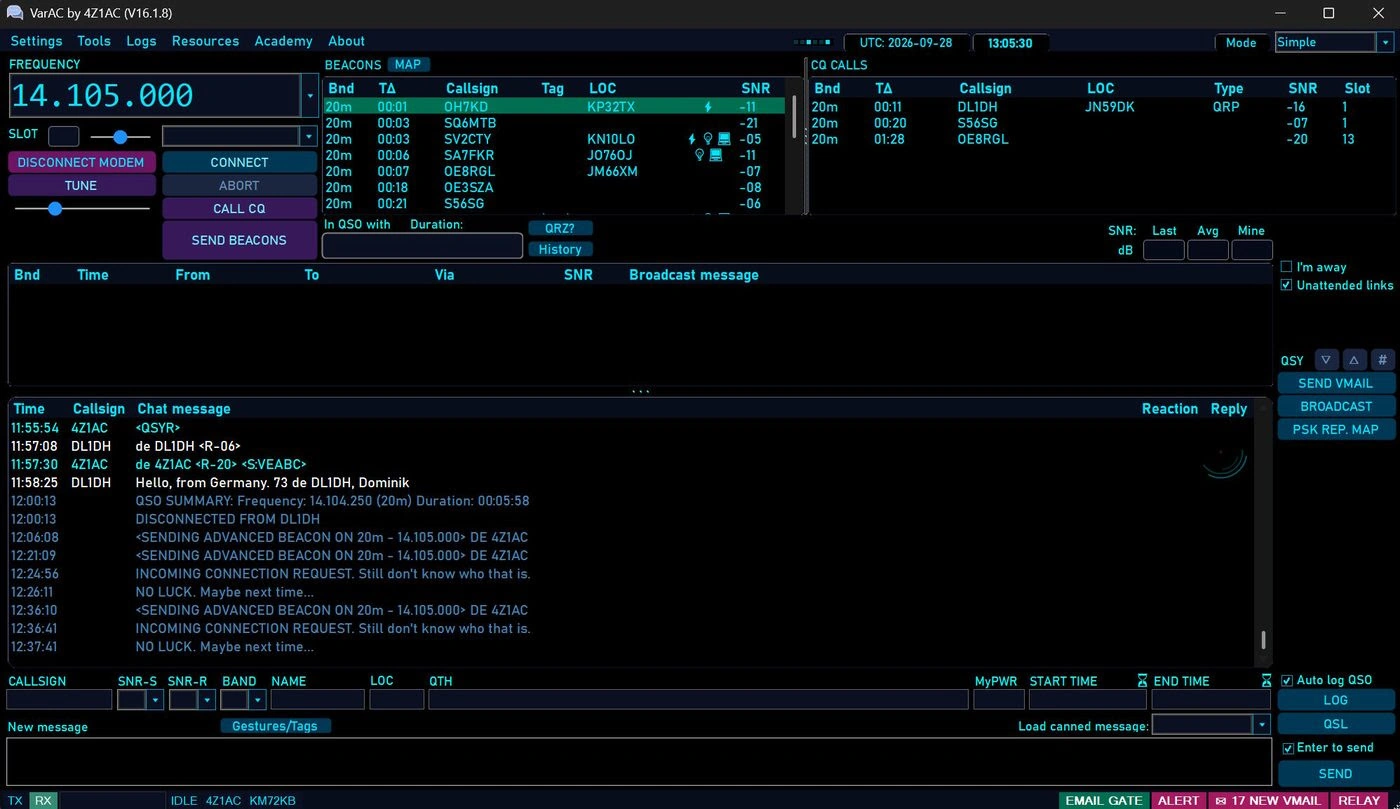
- Digital modes: Software like Fldigi and WSJT-X enable efficient communication and data exchange.
- Satellite networks: Projects like CubeSats allow hams to experiment with space communication.
- Integration with IoT: Hams are exploring ways to connect amateur radio with Internet of Things (IoT) devices for real-time data sharing.
Conclusion: Why Amateur Radio Matters
Amateur radio is more than a hobby-it’s a vital tool for resilience, education, and global connection. While it has its challenges, its ability to thrive in emergencies, foster innovation, and unite people across the world makes it indispensable. Whether you’re a student, a tech enthusiast, or someone seeking a reliable backup communication system, amateur radio offers a unique blend of utility and passion.
Call to Action: If you’re curious, start with a simple handheld radio, take a licensing course, and join a local club. The world of amateur radio is vast, and your journey could begin with a single call sign.


Post Comment