amateur radio
CW
ham radio
learn morse code
morse code
morse code conversation
morse code lesson
radio amatur
amateur radio cw, CW QSO abbreviations, cw training, Farnsworth timing, ham radio beginner, koch method, learn CW without counting, learn morse code, morse code by sound, morse code practice
9M2PJU
0 Comments
Learning CW for the Beginner Amateur Radio Operator: Hear the Music, Not the Math
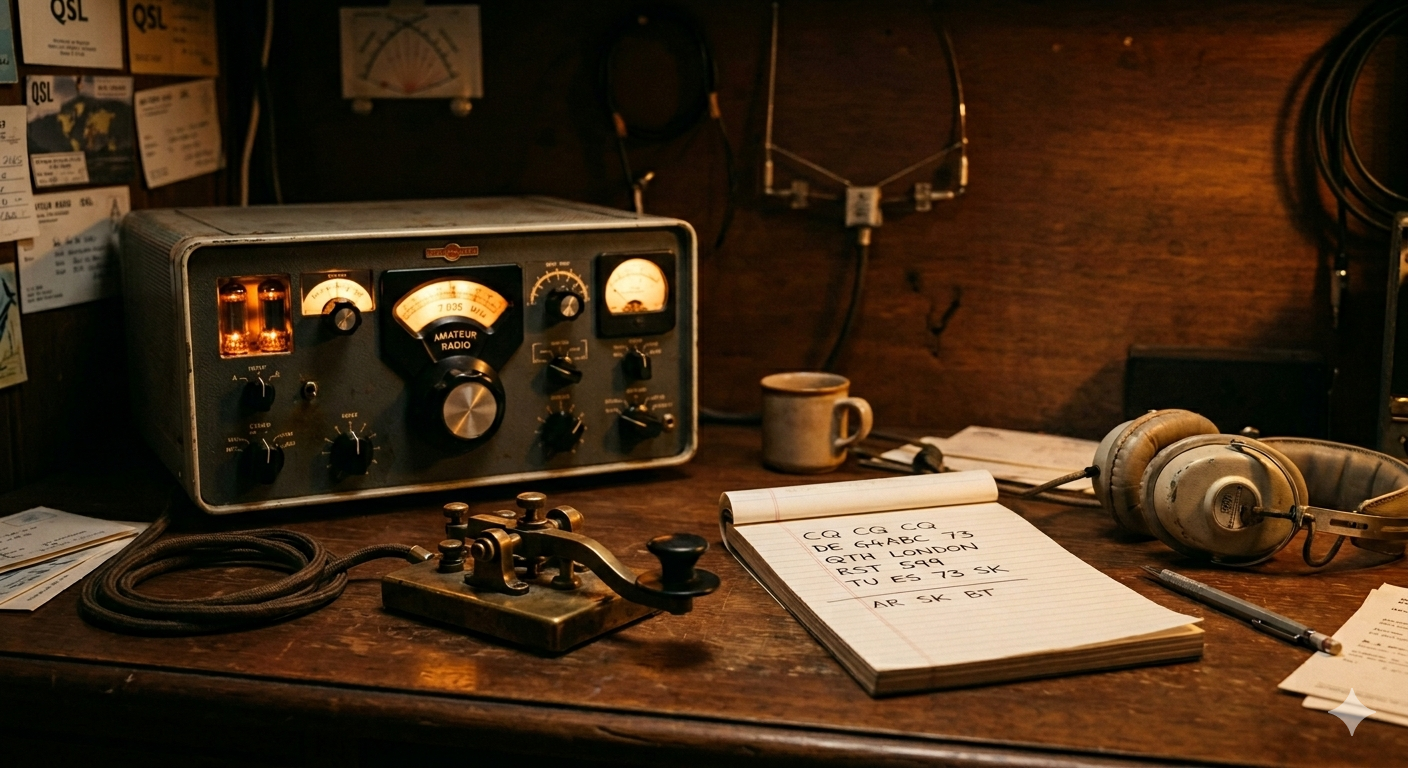
Learning Morse code, or CW, feels like learning a new language. And it is. The biggest mistake beginners make is trying to “read” it like dots and dashes on paper. Successful CW ops don’t count. They hear whole sounds. Here’s how to build that reflex, what actually happens in a real QSO, and how the two most proven training methods work.
1. The Golden Rule: Hear Sounds, Not Counts
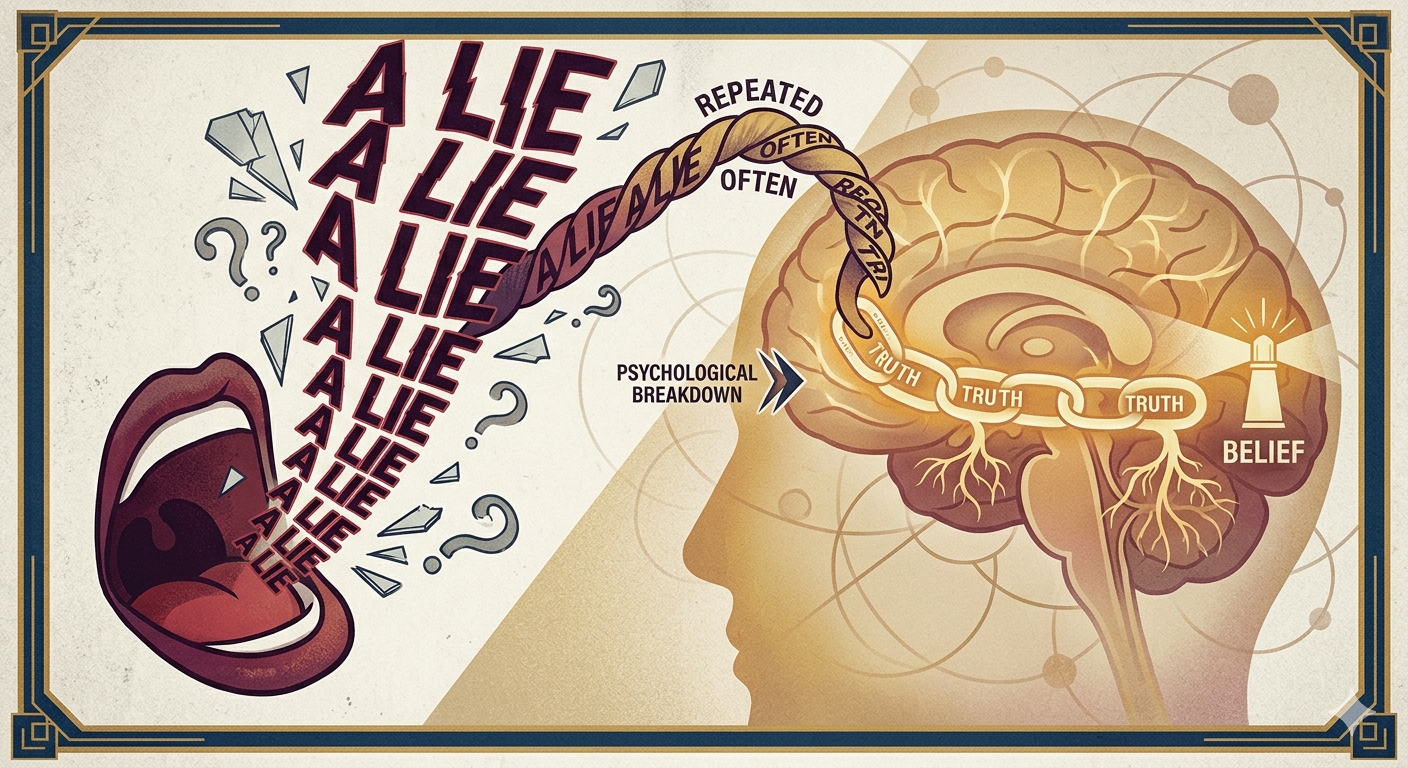
If you catch yourself thinking “didahdidit = L”, you’re translating. That’s slow and caps you at about 10 WPM. Above that speed your brain can’t keep up with the lookup table.
How to build sound reflex in your mind:
- Whole-character sounds: Each letter has a unique rhythm. E is “dit”. T is “dah”. Q is “dah dah di dah”. Don’t break them apart. Listen for the melody of the entire character.
- Full-speed characters from day one: Send and hear each letter at 15-20 WPM, even if you need huge gaps between them. Slow characters become “dit…dah…dit” in your head and you’ll start counting. Fast characters are heard as one chunk.
- Avoid visual charts: Never learn from a dot/dash chart. Use audio only. If you memorize “A = .-” visually, you’ll translate forever. Learn that A sounds like “di-dah”.
- Practice rhythm, not writing: Shadow the sound. When you hear “di-dah”, say “A” out loud instantly. The goal is instant recognition, like hearing a friend’s voice and knowing who it is without spelling their name.
Think of it like music. You don’t count quarter notes to recognize Beethoven’s 5th. You hear “dit dit dit dah” and know it’s V for Victory. CW works the same.
2. Real CW QSOs: Abbreviations Are the Norm
Tune to CW portions and you won’t hear “Good evening, my name is John, I live in…”. You’ll hear this:
CQ CQ DE 9M2PJU 9M2PJU K
9M2PJU DE K2AU GE TNX FER CALL UR RST 599 599 NAME MARK QTH WA HW CPY? 9M2PJU DE K2AU K
Translation: “Good evening, thanks for the call. You’re 599. Name is Mark. QTH is Washington. How do you copy?”
Why so short?
- Efficiency: CW’s strength is weak-signal work. Fewer characters = more info passed before fading.
- Standard prosigns and abbreviations: You’ll see the same 50-100 abbreviations constantly. Learn them as sound patterns, too.
Common CW shorthands to know as sounds:
| Abbreviation | Meaning | Used for |
|---|---|---|
| CQ | Calling any station | Starting a contact |
| DE | From | 9M2PJU DE K2AU = 9M2PJU from K2AU |
| UR | Your | UR RST 599 |
| RST | Readability, Strength, Tone | Signal report |
| QTH | Location | QTH WA |
| NAME | Name/Handle | NAME MARK |
| TNX/FER | Thanks for | TNX FER QSO |
| HW CPY? | How do you copy? | Asking for reception |
| FB | Fine business | Good, excellent |
| 73 | Best regards | Ending conversation |
| ES | And | WX ES TEMP |
| R | Received/Roger | Got it all/Understood |
Don’t learn these by list. Copy real QSOs or practice files and you’ll start hearing “TNX FER CALL” as one phrase, like a song lyric.
3. The Koch Method: Build Reflex with Two Letters
History: Developed in the 1930s by German psychologist Ludwig Koch. Koch’s 1935 dissertation studied how radio operators receive Morse and concluded the mind recognizes whole “gestalts”, not sums of parts.
How it works:
- Start with just 2 characters, usually K and M.
- Send them at your full target speed, 20 WPM character speed, with long gaps.
- When you copy a 5-minute session at 90% accuracy, add one more character.
- Never go back. Keep pushing forward until you know all 40+ characters.
Why it works: You never hear slow code, so you never learn to count. Because you only add one sound at a time, you build pure reflex. Koch taught students to copy 12 WPM in under 14 hours with this method.
Catch: Hard to do with tapes or records, which is why it wasn’t popular until computers could generate custom practice.
4. Farnsworth Timing: Space to Think, Keep the Speed
History: Named for Donald R. “Russ” Farnsworth, W6TTB. He was an amateur radio operator, not to be confused with Philo Farnsworth the TV inventor.
How it works:
Characters are sent at full target speed, say 20 WPM. But the spaces between characters and words are stretched. Example: 20 WPM character speed with 4x Farnsworth gives you ~5 WPM overall speed.
Why it works: You hear each letter as the correct sound “shape”, but your brain gets extra time to recognize it. As you improve, shrink the gaps until you’re at normal 20 WPM. This avoids the “counting trap” of slow-speed code.
Farnsworth and Koch are often combined: Use Koch letter progression + Farnsworth spacing. Most modern apps like LCWO, Morse Runner, or G4FON do this.
5. Practical Setup for Beginners
Daily routine, 15-20 minutes:
- Copy practice: 5 min Koch + Farnsworth at 20/5 WPM. No pencil first. Just listen and say the letter.
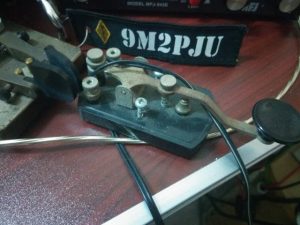
- Send practice: 5 min with a straight key or paddles. Focus on good spacing. Dah = 3 dits. Letter space = 3 dits. Word space = 7 dits.
- Head copy: 5 min of common words and QSO phrases. Start with CQ, DE, RST, 73.
- On-air or simulated QSO: Even at 5 WPM, get on the air. SOTA/POTA activators are patient.
Key mindset shifts:
- Accuracy over speed: 100% copy at 5 WPM beats 50% at 15 WPM.
- Short, frequent sessions: 15 min daily > 2 hours once a week.
- Fatigue is real: When your brain starts counting again, stop. You’re done for the day.
6. The Bottom Line: No Magic Method
Koch, Farnsworth, word training, LCWO, CW Academy, sending practice, on-air QSOs… they all work. And none of them work for everyone.
What matters:
- Avoid counting. If you’re counting dits, you’re training the wrong skill. Slow the overall speed, not the character speed.
- Force your brain to use reflex. That’s why Koch starts at 20 WPM and why Farnsworth keeps characters fast. Thought processes are too slow above 10 WPM.
- Push yourself. 90% accuracy is the Koch rule. Comfortable practice doesn’t build new reflexes.
- Absorb the sound. Live with it. Play code in the car. Let CQ DE become background music until your brain parses it without effort.
- Try and adapt: Some hams click with Koch. Others need Farnsworth words. Some must send to learn to receive. Test for 2 weeks, keep what works, drop what doesn’t.
CW is a brain sport. You’re literally rewiring how you process sound. It takes weeks, not days. But once those sounds lock in, you’ll hear “da da di dit dit di di dit da dah” and just know it’s “73” without thinking.
Put down the chart. Turn up the audio. Let your ears and minds do the work.
73,
9M2PJU


Post Comment