Emerson Knives: The American Tactical Knife Brand Built for Extreme Use
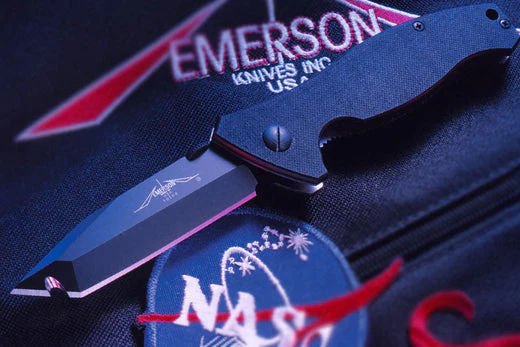
Emerson Knives is one of the most recognized names in American tactical knives. Founded by Ernest Emerson, the brand has earned a reputation for rugged folding knives designed for military, law enforcement, rescue, and serious everyday carry use.
The company’s identity is simple: performance first. Emerson knives are not built as fashion accessories. They are working tools designed for hard environments, fast deployment, strong grip, and easy field maintenance.
The History of Emerson Knives
Ernest Emerson began as a machinist and engineer with experience in the aerospace industry before becoming a custom knifemaker. His background in precision machining helped shape the way he approached knife design: strong materials, straightforward mechanics, and dependable function.
In the 1980s, Emerson became known for handmade tactical folding knives. His CQC-6, originally connected with Navy SEAL users, became one of the most influential tactical folders ever made. It helped popularize the modern tactical folding knife: a knife strong enough for field work, compact enough for pocket carry, and reliable enough for professional use.
In 1996, Ernest and Mary Emerson founded Emerson Knives, Inc. in California to produce his designs on a larger scale. The goal was to bring Emerson’s custom tactical designs to military, law enforcement, rescue, collector, and civilian users who wanted production knives with the same hard-use philosophy.
Military and Special Operations Heritage
Emerson’s reputation grew through close association with military and special operations communities. Models such as the CQC-6, CQC-7, SPECWAR, and Commander became famous because they were practical, aggressive, and built for people who expected their gear to work under pressure.
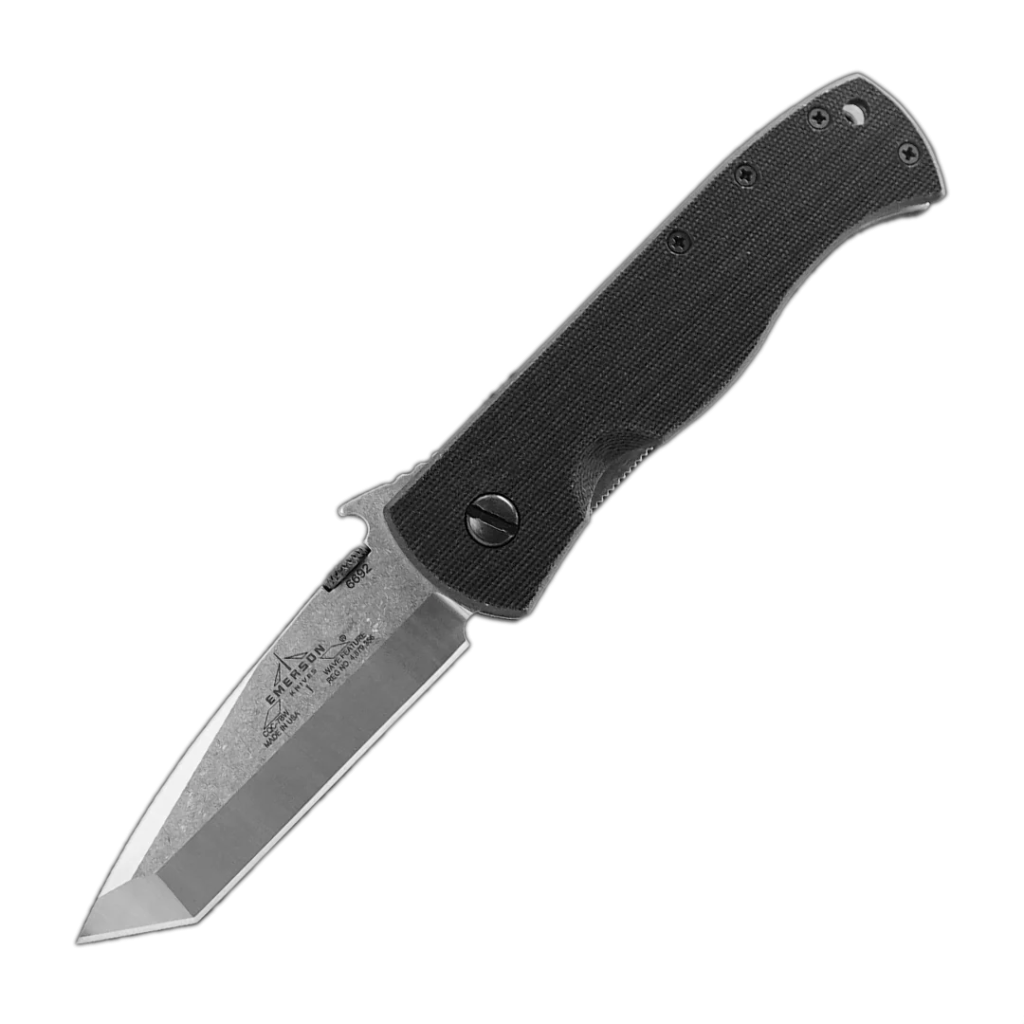
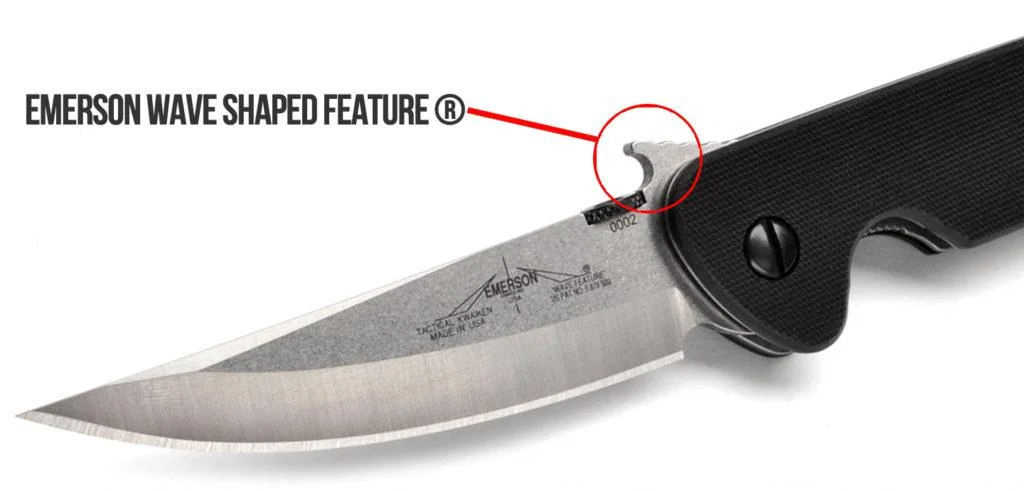
The CQC-7 remains one of Emerson’s most iconic knives. With its tanto-style blade, G-10 handle, liner lock, and field-serviceable edge, it became a benchmark tactical folder. The Commander added another major innovation: Emerson’s Wave-shaped opening feature, which allows the blade to open as it is drawn from the pocket.
Emerson and the U.S. Navy SAR Knife
One of the most important stories in Emerson history is the SARK, or Search and Rescue Knife.
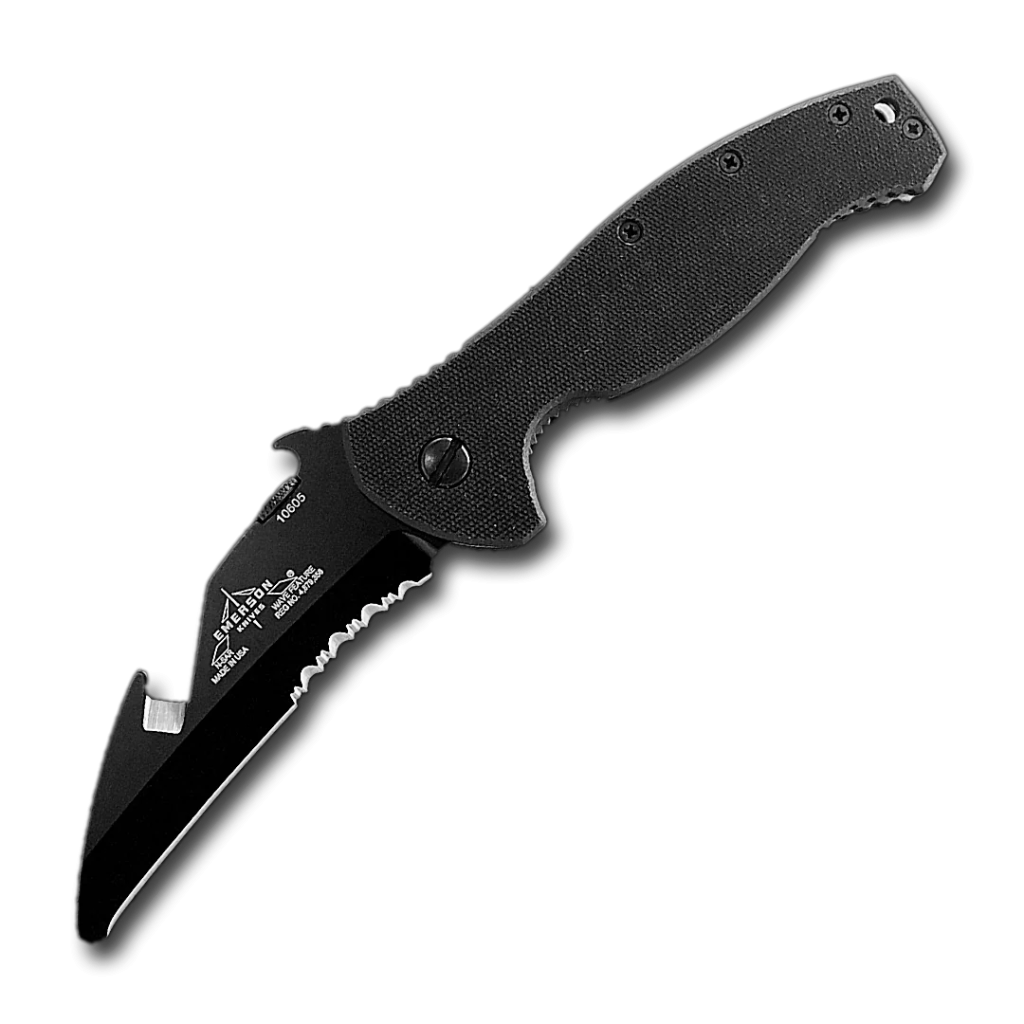
After a 1999 helicopter crash involving U.S. military personnel, the Navy reviewed its rescue equipment and identified the need for a better knife for cutting trapped personnel free from webbing, harnesses, and gear. Emerson designed a working prototype quickly, and the result became the SARK.
The SARK used a blunt-tip rescue blade so rescuers could cut straps, clothing, or webbing without easily stabbing the person being rescued. Later versions included the P-SARK, designed with a pointed tip for police and rescue use, and the NSAR, or Navy Search and Rescue model, which incorporated a line-cutter feature for Navy requirements.
This part of Emerson’s history shows why the brand is respected: its knives were not only designed for combat, but also for rescue and survival.
Emerson Knives and NASA
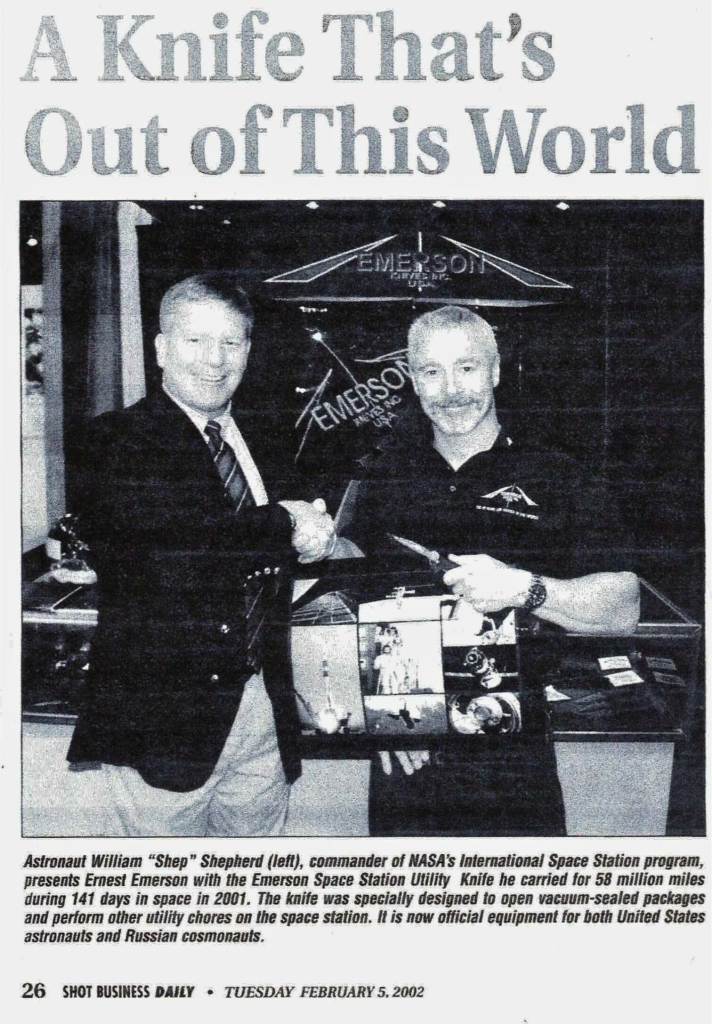
Emerson knives have also been connected to NASA. In 1999, NASA reportedly contracted Emerson to provide a knife for Space Shuttle and International Space Station use. Rather than starting from zero, NASA selected an existing Emerson design that already met most of its requirements, with a special modification for space-use tasks.
This NASA connection became part of the larger Emerson legend: knives built for hostile environments, from military operations and ocean rescue to use beyond Earth’s atmosphere.
Materials and Construction
Emerson production knives are known for practical, proven materials. Many models use 154CM stainless steel, a respected American blade steel valued for edge retention, toughness, and corrosion resistance. Handles are commonly made from G-10, a durable glass-filled laminate that provides excellent grip in wet, dirty, or demanding conditions.
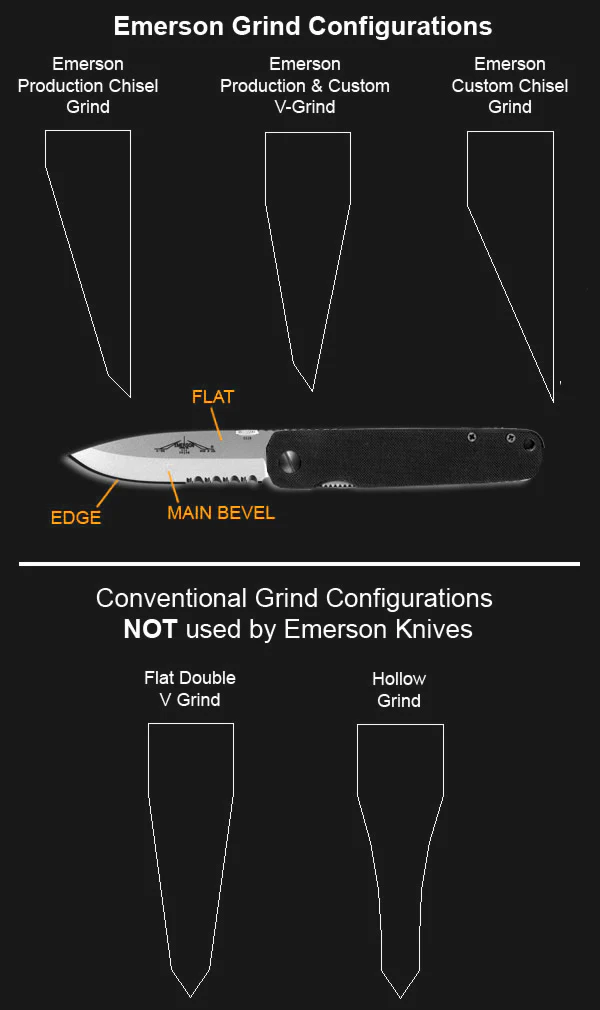
Emerson knives often use liner lock construction, simple hardware, and a single-side sharpened edge. The chisel-style Emerson edge is part of the brand’s identity. It is sharp, strong, and easier to resharpen in the field than many conventional double-bevel edges.
Here’s a strong section you can add:
Why Emerson Knives Use the Emerson Grind
One of the most recognizable features of many Emerson knives is the Emerson Grind, often described as a single-side sharpened edge or chisel-style edge. At first, some users think the knife is unfinished because only one side of the edge appears sharpened. In reality, this is intentional.
Ernest Emerson developed this edge style for practical hard-use performance. The goal was not to make a knife look conventional, but to make it cut aggressively, stay durable, and be easy to sharpen in the field.
The Emerson Grind has three major advantages:
1. It cuts extremely well
A single-side edge can create a very keen cutting surface. Emerson often compares the idea to a razor blade, which is also sharpened primarily from one side. The result is an edge that bites quickly and cuts with authority.
2. It is easier to maintain
Because the user only has to sharpen one side of the edge, the knife can be brought back to working sharpness faster. This matters for military, rescue, outdoor, and hard-use customers who may not always have access to a full sharpening system.
3. It is built for durability
The grind leaves more support behind the cutting edge than some thinner double-bevel edges. That makes it suitable for demanding work where edge strength matters as much as fine slicing ability.
For Emerson, the grind is part of the brand’s overall philosophy: simple, strong, and serviceable. It is not meant to impress collectors with symmetry. It is meant to help the knife perform when the user needs it most.
Signature Emerson Features
The most famous Emerson innovation is the Wave-shaped opening feature. This hook on the spine of the blade can catch the pocket edge as the knife is drawn, opening the blade immediately. It is one of the fastest manual-opening systems ever used on a folding knife and has become a defining feature of the brand.
Another signature feature is Emerson’s direct ergonomic design. The handles are shaped for grip and control, not decoration. The blades are made to cut, pierce, slice, rescue, or survive hard use.
Key Emerson Models
CQC-7
The classic Emerson tactical folder. Known for its tanto-style blade and military heritage.
Commander
A recurve-blade folder famous for the Wave opening feature and strong cutting power.
SARK / P-SARK / NSAR
Search and rescue knives with Navy and emergency-use history.
Karambit
A folding tactical karambit with a ring handle and curved blade, popular among martial artists and collectors.
SPECWAR
One of the early Emerson production models, tied closely to the brand’s military design roots.
Final Verdict
Emerson Knives is not just another knife company. It is a brand with real tactical history, American manufacturing roots, and designs connected to Navy SEALs, Navy search and rescue, law enforcement, and even NASA.
The appeal of Emerson is not luxury polish. The appeal is trust. These knives are built to be carried, used, sharpened, and relied on when conditions are difficult. For users who want a serious American-made tactical knife with heritage and purpose, Emerson remains one of the strongest names in the industry.
Sources checked: Emerson Knives, Ernest Emerson, SARK, CQC-6, Commander knife.


Post Comment