Should You Use /24 or /28 for Your Home Network?
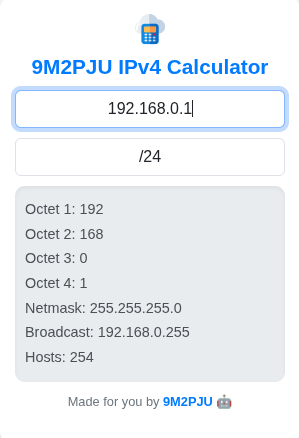
When setting up a home network, most people don’t give much thought to subnetting. The router hands out IPs, devices connect, and everything just works-until one day it doesn’t. Maybe you run out of IPs. Maybe you want to segment traffic. Or maybe you’re setting up a lab and realize it’s time to understand what /24 and /28 really mean.
So the question is: Which subnet is right for a home network? /24 or /28?
🤔 What Do /24 and /28 Even Mean?
These are CIDR notations (Classless Inter-Domain Routing), and they define how many IP addresses are available in a network.
/24means 256 total addresses (usually 254 usable)./28means 16 total addresses (14 usable).
Every device connected to your network-phone, laptop, smart TV, printer, camera-needs an IP. So, the smaller the subnet, the fewer devices you can connect.
💡 When to Use /28 at Home
A /28 subnet gives you 14 usable IP addresses. That’s perfect for:
- A small home with just a few key devices.
- People who like strict control over IP allocation.
- Home labs simulating enterprise setups.
- Isolated VLANs or testing environments.
It forces you to keep your network lean, which can be a good thing if you’re security-conscious or just like having everything well-organized.
Example Devices:
- Router
- 2 smartphones
- 1 PC
- 1 printer
- 1 smart TV
- 1 tablet
That’s already 7 IPs used. Throw in a NAS, a few smart lights, or a guest phone and you’re bumping into the limit fast.
🧰 When /24 Makes More Sense
A /24 subnet gives you 254 usable IPs. That may sound like overkill, but in modern homes, it’s surprisingly easy to fill up space over time:
- Smart bulbs, thermostats, plugs, and security cameras
- Gaming consoles, smart speakers, tablets, laptops
- IoT devices, home servers, development boards like Raspberry Pi
- Guest network users
If you plan on expanding, or just don’t want to stress about running out of IPs, a /24 is the safer bet.
Use /24 if you:
- Have 15+ devices (or will soon).
- Want to set static IPs without worrying about clashes.
- Plan to run a homelab or host services (NAS, VPN, Docker).
- Use VLANs and may subnet different ranges in the future.
⚡ Does Subnet Size Affect Network Speed?
This is a common question, and the answer is:
No, subnet size doesn’t directly impact your internet or local network speed.
The size of your subnet-whether it’s /28, /24, or something else-only determines how many IP addresses are available. It doesn’t affect:
- Download or upload speeds
- Ping or latency
- File transfer speeds
- Internet responsiveness
Those are controlled by:
- Your ISP speed
- Router performance
- Network congestion
- Wired vs. wireless connections
🧠 But There Are Some Indirect Factors:
- Broadcast traffic: Larger subnets like
/24may have slightly more broadcast traffic (like ARP or DHCP), but for home use, it’s negligible. - Segmentation and isolation: Smaller subnets can help isolate devices in advanced setups (VLANs, guest networks), which might lead to smoother performance.
- Security and simplicity: Smaller subnets limit accidental overuse and are easier to manage in tightly controlled environments.
But unless you’re running 100+ devices or complex routing rules, you likely won’t notice any difference in speed between /24 and /28.
📈 Real-World Use: Home Labs and Amateur Radio
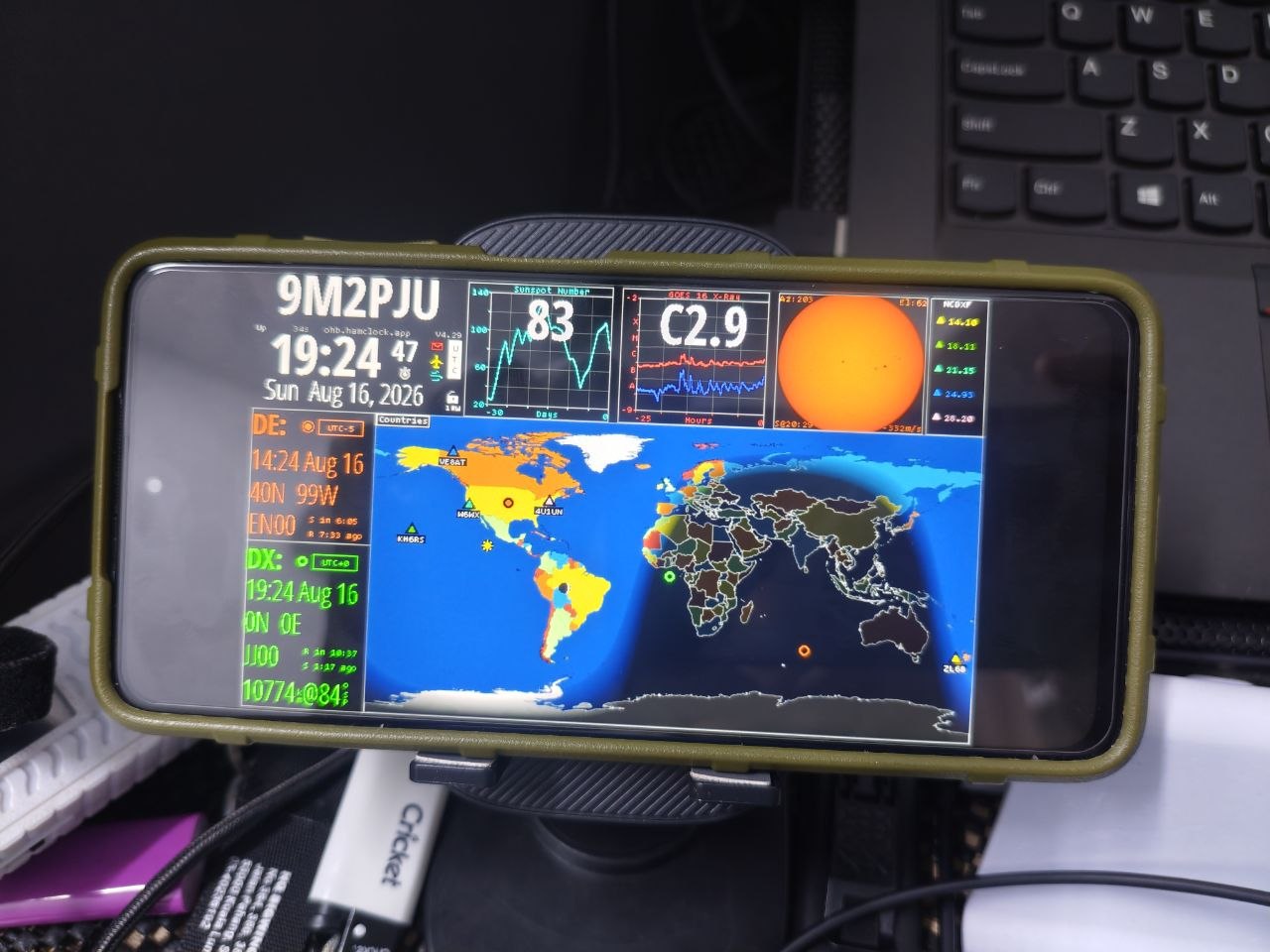
If you’re into amateur radio or running a home lab, a /24 subnet gives you a comfortable space to play.
It also makes things easier when testing services like Pi-hole, WireGuard, or self-hosted apps, where fixed IPs are helpful.
🧠 Final Thoughts
While /28 might be enough for small or tightly controlled setups, most home users will benefit from the flexibility of /24. It keeps things simple, scalable, and headache-free.
🔑 TL;DR:
- Use
/28if you’re experimenting, want tight control, or only need <15 devices. - Use
/24for everyday home networks, smart home setups, and homelabs. - Subnet size doesn’t affect network speed – but smart planning does.
Still not sure which one’s right for you? Start with /24. You can always subnet it later if needed. And if you’re the type who’s reading this-chances are you’ll be adding more gear soon anyway.


Post Comment