The Aerospace Village DC33 Badge: A Linux SDR That Tracks Aircraft in Real Time
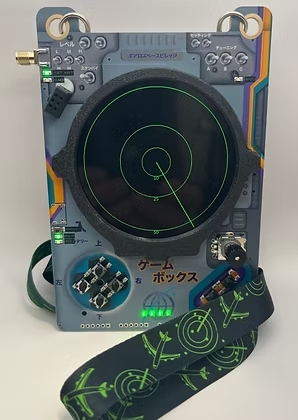
Every year at DEF CON, the conference badges get more ambitious. But the Aerospace Village badge, originally released for DC32 and brought back for DC33 with new software, is in a league of its own. It is a fully functional ADS-B receiver, a Linux single-board computer, and a hacker plaything, all crammed into a wearable badge.
If you have ever wanted to see the aircraft flying over your head displayed on a moving map on a device you built yourself, this is the badge for you.
Last updated: July 2026.
What Is It?
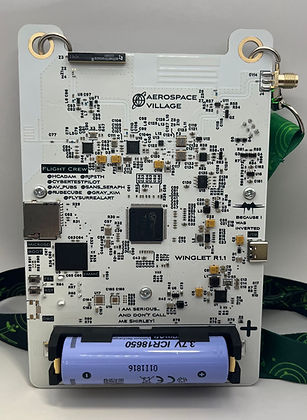
The Aerospace Village DC33 badge is a complete Linux system running on a dual-core processor with 128 MB of DDR3 RAM and 8 GB of eMMC storage. It has built-in Wi-Fi, GPS, a USB-C dual-role port, a microSD slot, a replaceable 18650 battery with fast charging via USB-C PD, and, the headline feature, a natively integrated ADS-B receiver that picks up aircraft transponder signals on 1090 MHz.
ADS-B (Automatic Dependent Surveillance-Broadcast) is the standard by which modern aircraft broadcast their identity, position, altitude, and velocity. Normally you need a specialised software-defined radio (SDR) dongle and an antenna to receive these signals. The Aerospace Village badge does it with clever hardware hacking using regular components, with an onboard PCB antenna and a connector for an external antenna.

What Can It Do?
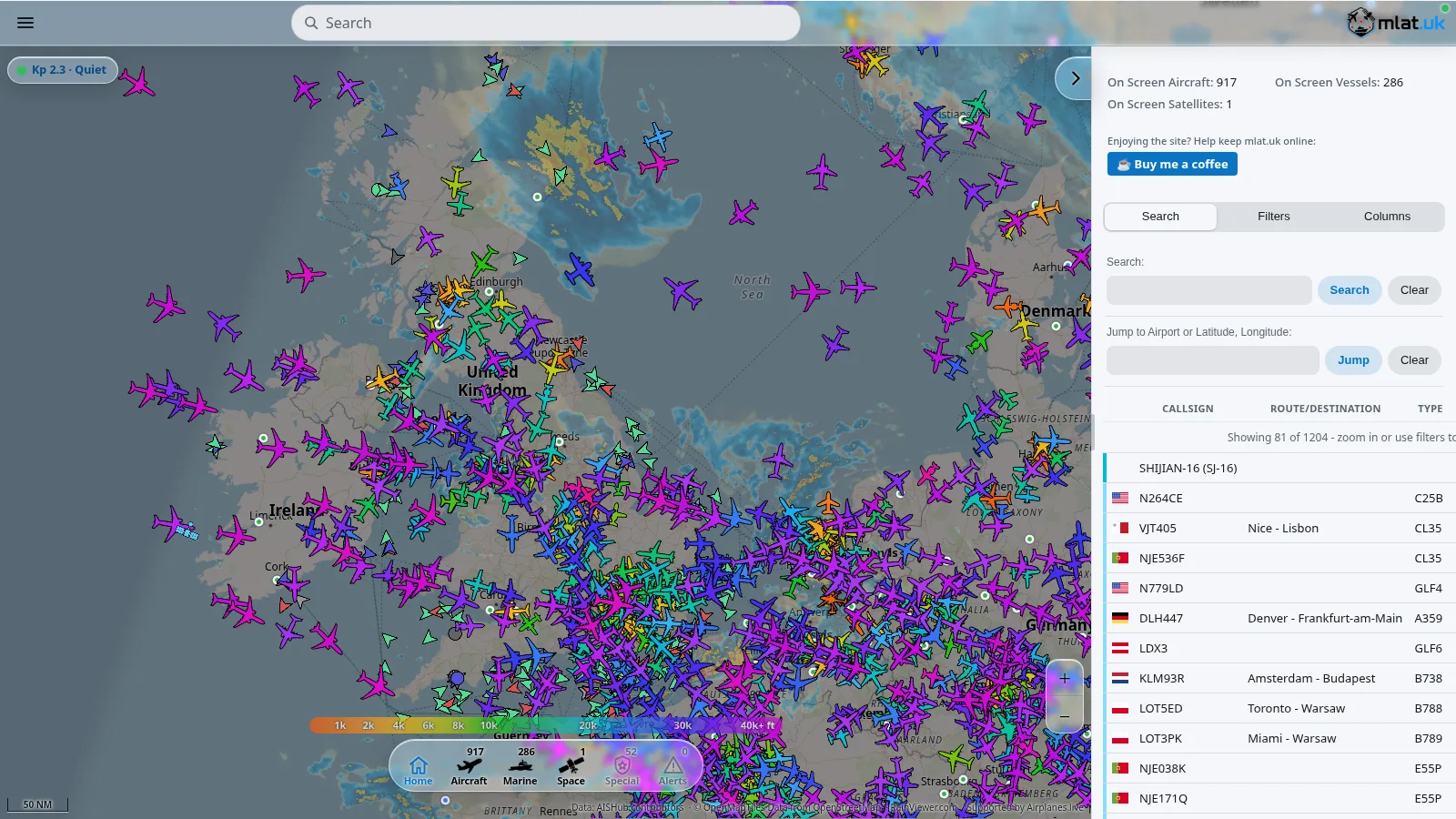
ADS-B Reception and Moving Map. The badge displays nearby aircraft in real time on a moving map. It uses its built-in GPS for own-ship position, so you can see not just the planes around you, but where you are relative to them.
Network-Exposed Dump1090 Data. The badge can expose its ADS-B data over Wi-Fi or USB Ethernet, so you can feed it into a larger aircraft tracking setup. Plug it into a Raspberry Pi running PiAware, and it becomes a portable FlightAware feeder.
Video Playback and Game Emulation. Because it runs Linux, the badge can play video and emulate classic game consoles. Yes, you can play Tetris on your DEF CON badge while watching aircraft fly overhead.
Expandability. The badge has a microSD slot for extra storage and an SAO (Shitty Add-On) connector that supports I2C, UART, CAN Bus, and more. This is the standard DEF CON SAO v1.75bis footprint, so it works with a vast ecosystem of third-party add-ons.
Blinky Lights. Naturally. It would not be a DEF CON badge without them.

DC33 SAO Add-Ons
For DC33, the badge ecosystem expands with new SAOs:
DC33 SAO ($80), Designed by Rare Circuits in collaboration with Aerospace Village. It adds air-band VHF audio reception (listen to live ATC conversations through the onboard 3.5 mm jack), broadcast FM radio in stereo, and a high-speed 4-color grayscale OLED display.
Winnebago SAO ($20), A reference to the movie Spaceballs for those who know.
Son of Boris the Spider ADS-B Antenna Kit ($40), A minimal-assembly antenna kit from the Airframes.io team that improves ADS-B reception range.
Open Source, Naturally
The badge hardware design and software are fully open-sourced on GitHub at github.com/AerospaceVillage/avBadge_2024. The DC33 release includes firmware version 2.0 with new features. If you already have the DC32 badge, you can simply upgrade the software.
The GPS subsystem is documented in a detailed explainer by Henry and Lillian, available on the Aerospace Village website.
About Aerospace Village
Aerospace Village is a registered 501(c)(3) nonprofit organisation and a fixture at DEF CON. Its mission is to inspire and promote aerospace innovation, bringing together hackers, engineers, pilots, policy leaders, and security researchers to improve aviation and space cybersecurity. Beyond the badge, the village runs the STARPWN competition, hosts workshops, and builds community around aerospace security research.
Sources and Further Reading
- DC33 Badge Page: https://www.aerospacevillage.org/dc33-badge
- Aerospace Village (Home): https://www.aerospacevillage.org/
- GitHub, avBadge_2024 (Hardware and Software): https://github.com/AerospaceVillage/avBadge_2024
- GPS Explainer (PDF): https://www.aerospacevillage.org/_files/ugd/836193_56645f2056be489392b372fd2c5bd012.pdf