The Complete Guide to Setting Up Your Amateur Radio Shack Computer System
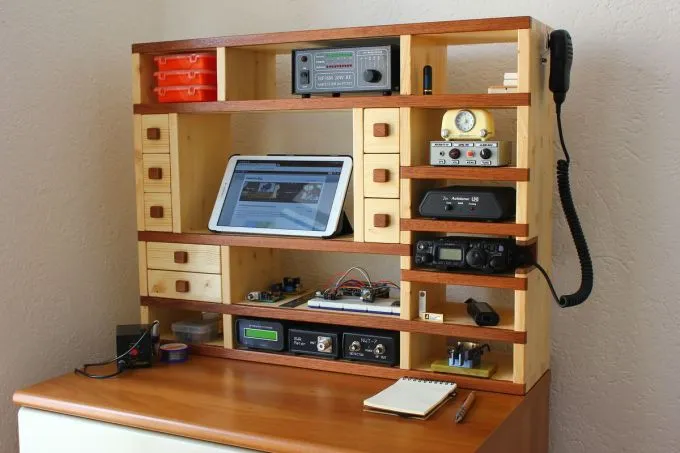
Modern amateur radio operation has evolved far beyond just keying a microphone or tapping out Morse code. Today’s ham radio shack integrates sophisticated computer systems that enhance every aspect of radio operation, from logging contacts to digital mode operation, antenna modeling, and contest participation. This comprehensive guide will help you build the perfect computer setup for your amateur radio station, whether you’re a casual operator or a serious contester.
Understanding Your Amateur Radio Computing Needs
The role of computers in amateur radio has expanded dramatically over the past two decades. Your shack computer serves as the central hub for logging, digital communications, contest operation, antenna analysis, propagation prediction, and station automation. Understanding these diverse requirements helps determine the optimal system configuration for your specific operating style and goals.
Essential Functions Every Ham Radio Computer Should Handle
Modern amateur radio computing demands span several critical areas. Contact logging forms the foundation of ham radio record-keeping, requiring reliable database management and backup capabilities. Digital mode operation increasingly dominates HF and VHF communications, demanding real-time signal processing and interface capabilities. Contest operation requires split-second timing and seamless integration with logging software, while antenna modeling and analysis demand significant computational power for complex calculations.
Determining Your Operating Profile
Your computing needs vary significantly based on your operating preferences and station complexity. Casual operators who primarily use voice modes and maintain simple logs have modest requirements compared to serious contesters running multiple radios with automated antenna switching. DXpedition operators need portable, ruggedized systems with satellite communication capabilities, while emergency communicators require reliable backup power and robust networking capabilities.
Hardware Foundation: Building the Right System
Alternative Computing Platforms Beyond Traditional Desktop and Laptop Systems
While desktop computers and laptops represent the traditional approach to amateur radio computing, modern technology offers numerous alternative platforms that may better suit specific applications, space constraints, or portability requirements. These alternatives range from compact single-board computers to ruggedized industrial systems, each offering unique advantages for different amateur radio applications.
Single-Board Computers for Compact Installations
Raspberry Pi systems have revolutionized amateur radio computing by providing full Linux computing capability in a credit card-sized package. The Raspberry Pi 4 with 4GB or 8GB RAM handles most amateur radio applications including logging, digital modes, and basic antenna analysis. These systems excel in space-constrained installations, Portable Operations, and dedicated single-purpose applications.
Single-board computers work exceptionally well for dedicated display applications like HamClock installations. A Raspberry Pi running HamClock can drive a dedicated monitor showing propagation maps, DX spots, and solar data while consuming minimal power and space. Many operators use dedicated Raspberry Pi systems purely for HamClock displays, freeing their main computers for logging and operation.
The Raspberry Pi’s GPIO pins enable direct hardware interfacing without additional interface cards, making it ideal for custom control applications and sensor integration. Popular amateur radio distributions like HamPi provide pre-configured systems with common amateur radio software pre-installed, including HamClock and various dashboard applications.
Other single-board computers like the ODROID series, ASUS Tinker Board, and Orange Pi offer different performance and feature combinations. Some provide more processing power for demanding applications like real-time DX cluster mapping, while others offer specialized interfaces or industrial temperature ratings for harsh environments.
Mini PC Solutions for Space-Efficient Installations
Intel NUC (Next Unit of Computing) systems provide desktop-class performance in extremely compact form factors. These small form factor PCs offer sufficient power for demanding amateur radio applications while occupying minimal desk space. Modern NUC systems support multiple displays, making them excellent choices for multi-monitor setups with HamClock, DX cluster displays, and logging software running simultaneously.
AMD-based mini PCs from manufacturers like ASRock and ASUS provide similar capabilities with different processor architectures. These systems often offer better graphics performance for applications requiring multiple display outputs or real-time visualization capabilities like animated propagation maps.
Fanless mini PCs eliminate cooling noise and mechanical failure points while providing adequate performance for most amateur radio applications. These systems work particularly well in RF-sensitive environments where switching power supplies and cooling fans might cause interference, while still supporting multiple monitors for comprehensive station displays.
Tablet and Mobile Device Integration
Modern tablets provide surprising capability for amateur radio applications, particularly for portable operations and field work. Android tablets running amateur radio apps like DroidPSK, AndFlmsg, or RF Finder provide digital mode capability and reference information in extremely portable packages.
iPad systems with apps like HamLog, RUMlogNG, or MacLoggerDX offer iOS-based amateur radio computing with excellent battery life and portability. While not suitable for all applications, tablets excel in logging, reference, and basic digital mode applications where full PC capability isn’t required.
Smartphone integration increasingly supports amateur radio activities through apps for logging, propagation prediction, repeater directories, and emergency communications. Modern smartphones provide GPS capability, internet connectivity, and adequate processing power for many auxiliary amateur radio functions.
Industrial and Embedded Computing Solutions
Ruggedized industrial PCs provide reliability and environmental protection for challenging installations like mountain top repeater sites or mobile installations. These systems typically feature fanless operation, extended temperature ranges, shock resistance, and sealed enclosures protecting against dust and moisture.
Embedded PC modules enable custom integration into larger systems like repeater controllers or automatic antenna tuners. These compact computing modules provide full PC functionality while integrating seamlessly into custom hardware designs.
Panel PCs combine computing capability with integrated displays and touch interfaces, creating all-in-one solutions for control applications. These systems work well for automated stations or remote site monitoring where integrated human interfaces simplify operation.
Network Attached Storage and Server Solutions
Dedicated NAS (Network Attached Storage) systems provide centralized storage and computing capability for multi-station installations. These systems can host logging databases, digital mode software, and file sharing while providing backup and redundancy capabilities.
Small form factor servers enable centralized amateur radio computing with multiple stations accessing shared resources. This approach works well for club installations or multi-operator contest stations where resource sharing and coordination are important.
Cloud computing services increasingly support amateur radio applications, particularly for logging synchronization, propagation analysis, and contest scoring. While not suitable for real-time applications, cloud services provide backup, analysis, and coordination capabilities that complement local computing resources.
Processor Requirements for Different Applications
Modern amateur radio software places varying demands on processor performance. Basic logging applications run smoothly on modest processors, but real-time digital signal processing for weak signal modes requires substantial computational power. Contest logging with multiple radio interfaces demands processors capable of handling simultaneous tasks without latency issues.
For most amateur radio applications, a modern multi-core processor from Intel’s Core i5 series or AMD’s Ryzen 5 series provides excellent performance with room for growth. Serious digital mode enthusiasts and contesters benefit from higher-performance processors like Intel’s Core i7 or AMD’s Ryzen 7 series, which excel at the parallel processing tasks common in amateur radio computing.
Memory Considerations for Amateur Radio Computing
Amateur radio applications generally aren’t memory-intensive, but adequate RAM ensures smooth multitasking between logging software, digital mode programs, and supporting applications. Eight gigabytes of RAM represents the practical minimum for modern amateur radio computing, while sixteen gigabytes provides comfortable headroom for complex setups with multiple simultaneous applications.
Memory speed has less impact on amateur radio applications than total capacity, making standard DDR4 or DDR5 memory suitable for most installations. Error-correcting memory provides additional reliability for critical applications but isn’t necessary for typical amateur radio use.
Storage Solutions for Reliability and Performance
Amateur radio computing prioritizes data reliability over raw performance, making storage selection crucial for long-term operation. Solid-state drives offer excellent reliability and adequate performance for amateur radio applications, while traditional mechanical drives provide cost-effective bulk storage for large digital collections and backups.
A hybrid approach works well for many installations, using a modest SSD for the operating system and applications while storing logs, digital files, and backups on larger mechanical drives. This configuration provides the benefits of SSD reliability for critical system files while maintaining cost-effective bulk storage.
Graphics Requirements and Multi-Monitor Considerations
Most amateur radio software has minimal graphics requirements, making dedicated graphics cards unnecessary for typical installations. However, modern amateur radio operations increasingly benefit from multiple displays to show different information simultaneously without constant window switching.
Multi-Monitor Setups for Enhanced Operations
Contemporary amateur radio computing greatly benefits from multi-monitor configurations that enable simultaneous display of different applications and information sources. A typical multi-monitor amateur radio setup might include the primary logging software on the main display, with secondary monitors showing DX cluster information, propagation data, or specialized tools like HamClock.
HamClock has become particularly popular as a dedicated display application, showing real-time propagation maps, solar data, DX spots, and customizable information panels. Many operators dedicate an entire secondary monitor to HamClock, providing constant access to propagation conditions and DX activity without interfering with logging operations.
DX cluster maps and real-time spot displays work exceptionally well on dedicated monitors, allowing operators to track DX activity and propagation patterns while maintaining focus on their primary logging software. Applications like DXToolbox, Ham Radio Deluxe’s DX cluster, or web-based cluster displays benefit from dedicated screen real estate.
Contest operators particularly benefit from multi-monitor setups, with separate displays for logging software, band maps, multiplier tracking, and rate sheets. This arrangement enables rapid information access without window switching that could slow down high-speed contest operation.
Display Recommendations for Different Applications
For HamClock and dashboard applications, 24-27 inch monitors provide excellent visibility for detailed propagation maps and multiple information panels. 1080p resolution proves adequate for most amateur radio dashboard applications, though 1440p displays offer additional screen real estate for complex layouts.
Secondary monitors don’t require premium specifications since amateur radio applications aren’t graphics-intensive. Reliable, affordable displays work well for dedicated functions like cluster maps or HamClock displays. IPS panels provide better viewing angles for monitors positioned at various angles around the operating position.
Ultrawide monitors offer an alternative to multiple separate displays, providing extensive screen real estate in a single unit. These displays work particularly well for operators with limited desk space who still want multiple application windows visible simultaneously.
Graphics Card Requirements for Multi-Monitor Setups
Multi-monitor amateur radio setups may require discrete graphics cards to support multiple display outputs, particularly when using three or more monitors. Most modern integrated graphics support dual displays adequately, but additional monitors often require dedicated graphics solutions.
Entry-level graphics cards provide more than adequate performance for amateur radio multi-monitor setups, since the applications aren’t graphics-intensive. The primary requirement is sufficient display outputs rather than processing power. Cards with multiple HDMI, DisplayPort, or DVI outputs enable flexible monitor configurations.
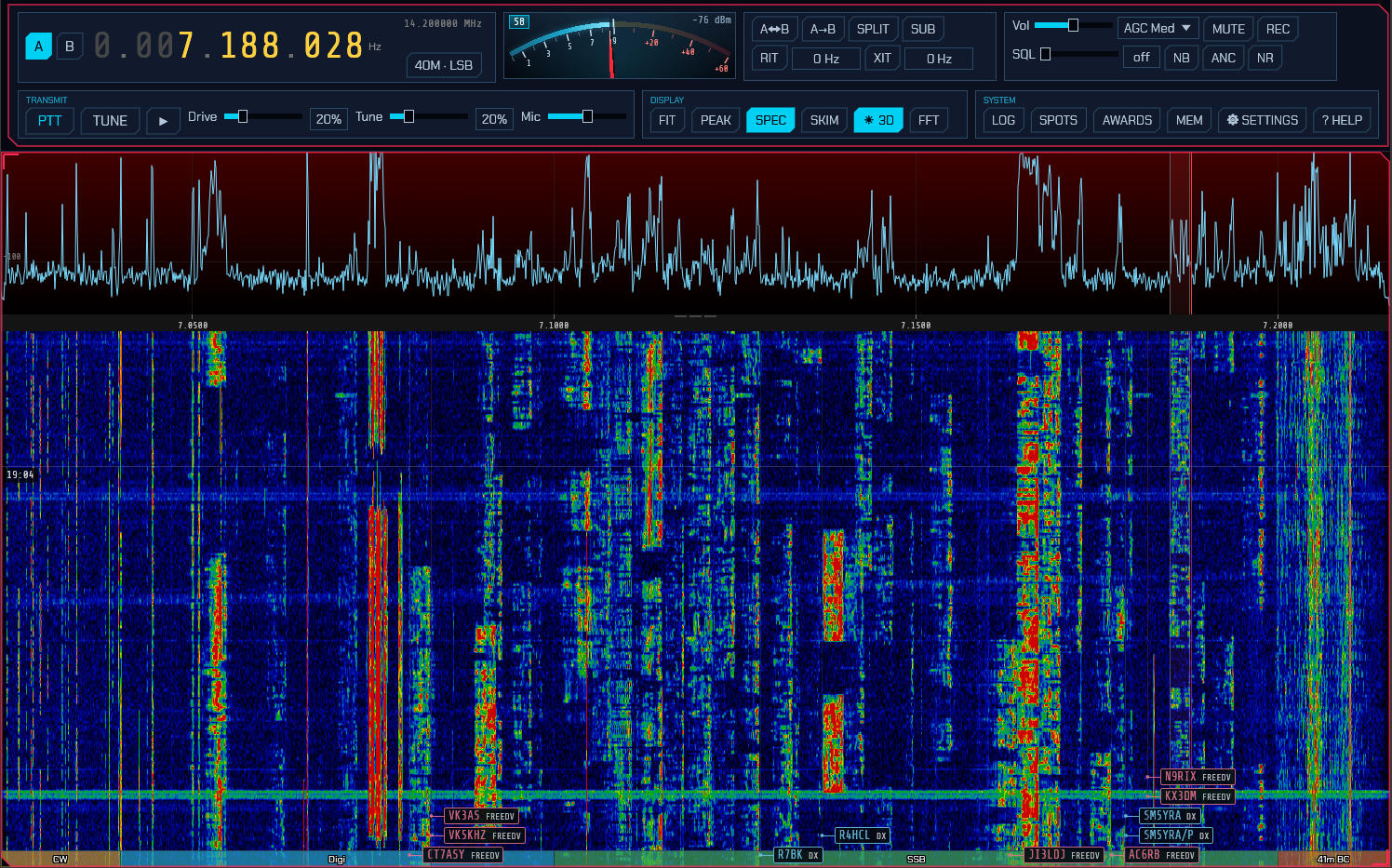
Operators using software-defined radio applications with real-time spectrum displays, advanced antenna modeling software, or multiple waterfall displays may benefit from more capable graphics cards. These applications can utilize additional graphics processing power for smoother real-time displays and complex visualizations.
Touch Displays and Interactive Interfaces
Touch-enabled secondary displays provide interactive control capabilities for applications like antenna rotators, amplifier control, or station automation systems. These displays work particularly well for control functions that benefit from direct manipulation rather than keyboard and mouse interaction.
Tablet computers can serve as auxiliary displays and control surfaces, running specialized amateur radio apps or displaying web-based tools like propagation predictions or DX cluster information. Modern tablets with USB-C connectivity can extend desktop displays while providing touch control capabilities.
Small dedicated displays for specific functions like SWR monitoring, power output, or temperature displays add functionality without requiring full computer monitors. These specialized displays integrate well with station monitoring and control systems.
Interface Hardware: Connecting Radio to Computer
Serial and USB Interface Considerations
Modern amateur radio equipment predominantly uses USB interfaces for computer connectivity, but many legacy radios require serial connections. Planning your interface strategy ensures compatibility with both current and future equipment while maintaining reliable communication between radio and computer.
USB-to-serial adapters handle legacy equipment connectivity, but quality varies significantly between manufacturers. Professional-grade adapters from companies like FTDI provide reliable operation, while cheaper alternatives may cause timing issues or compatibility problems with amateur radio software.
Audio Interface Solutions
Digital mode operation requires high-quality audio interfaces to maintain signal integrity between radio and computer. Dedicated amateur radio interfaces like the SignaLink USB or RigBlaster series provide optimized audio coupling with proper isolation and level control.
Professional audio interfaces offer superior specifications and flexibility but require more complex configuration. USB audio interfaces work well for most amateur radio applications, while professional units with balanced inputs and multiple channels suit complex multi-radio installations.
CAT Control and CI-V Systems
Computer-aided transceiver control revolutionizes amateur radio operation by enabling software control of frequency, mode, and radio settings. Most modern radios support CAT control through USB or serial interfaces, allowing seamless integration with logging and contest software.
Understanding your radio’s CAT implementation ensures proper interface selection and configuration. Some radios require specific cable configurations or interface devices, while others provide direct USB connectivity with built-in interface circuitry.
Essential Software Categories for Amateur Radio
Logging Software Selection and Configuration
Logging software forms the cornerstone of amateur radio computing, requiring careful selection based on operating style and feature requirements. Popular options include Ham Radio Deluxe, N1MM Logger+, DXLab Suite, and Logger32, each offering different strengths and interface approaches.
Contest operators typically prefer specialized logging software like N1MM Logger+ or Win-Test, which provide optimized interfaces for high-speed contest operation. Casual operators may prefer more general-purpose solutions like Ham Radio Deluxe or DXLab Suite, which integrate logging with other amateur radio functions.
Digital Mode Software and Configuration
Digital mode operation requires specialized software for encoding, decoding, and interface management. Popular options include WSJT-X for weak signal modes, fldigi for traditional digital modes, and MMSSTV for slow-scan television.
Each digital mode software package has specific audio interface requirements and configuration parameters. Proper setup ensures reliable operation and optimal signal quality, while poor configuration leads to decode failures and transmission problems.
Contest Software and Integration
Contest operation demands specialized software optimized for high-speed logging, duplicate checking, and real-time scoring. Leading contest software packages include N1MM Logger+, WriteLog, and Win-Test, each offering different approaches to contest station integration.
Modern contest software integrates with radio control, antenna switching, and networking systems to create seamless multi-operator environments. Proper configuration and testing before contests ensures reliable operation during high-stress competitive situations.
Antenna Modeling and Analysis Tools
Antenna design and optimization benefit from sophisticated modeling software that predicts radiation patterns, impedance characteristics, and optimization parameters. Professional tools like EZNEC, 4nec2, and HFSS provide accurate modeling capabilities for complex antenna systems.
These applications require significant computational resources for complex models, making processor and memory selection important for serious antenna designers. Simpler antennas work well with less demanding software, while complex arrays require professional-grade modeling tools.
Network Integration and Connectivity
Local Network Design for Multi-Station Operations
Multi-radio contest stations and club installations require robust networking to share logs, coordinate frequencies, and manage station resources. Gigabit Ethernet provides adequate bandwidth for most Amateur Radio Networking applications, while wireless networking offers flexibility for portable operations.
Network design considerations include bandwidth requirements, latency sensitivity, and reliability demands. Contest operation requires low-latency networking for real-time log sharing, while emergency communications need robust networking with backup connectivity options.
Internet Connectivity and Backup Solutions
Modern amateur radio operation increasingly relies on internet connectivity for cluster spots, propagation data, and remote operation capabilities. Reliable internet access enables participation in online contests, remote station operation, and real-time propagation monitoring.
Backup internet connectivity through cellular or satellite links provides redundancy for critical operations. Emergency communicators particularly benefit from multiple internet paths to maintain connectivity during infrastructure failures.
Remote Operation Capabilities
Remote operation enables amateur radio participation from any location with internet connectivity, expanding operating opportunities and station accessibility. Software solutions like RemoteRig, FlexRadio SmartSDR, and Elecraft K3/0 mini provide different approaches to remote operation.
Successful remote operation requires adequate internet bandwidth, low latency, and robust security measures. Quality of service configuration ensures reliable audio and control data transmission, while VPN connectivity provides secure access to remote stations.
Power Management and Backup Systems
Uninterruptible Power Supply Selection
Amateur radio computing requires reliable power to maintain operation during brief outages and provide graceful shutdown during extended failures. UPS selection balances runtime requirements, power capacity, and budget constraints while ensuring compatibility with computing equipment.
Pure sine wave UPS units provide the cleanest power for sensitive amateur radio equipment, while modified sine wave units offer adequate performance for most computing applications. Battery capacity determines runtime during power failures, with larger installations requiring proportionally larger UPS systems.
Emergency Power Considerations
Emergency communications and field operations require portable power solutions that maintain computing capability without AC mains power. Battery systems, solar panels, and portable generators provide different approaches to emergency power with varying complexity and capability.
Deep-cycle batteries offer reliable emergency power for extended operations, while lithium-ion solutions provide higher energy density for portable applications. Solar charging extends operating time and provides sustainable power for remote installations.
Power Management Software and Monitoring
Sophisticated power management software optimizes battery life and provides early warning of power problems. UPS management software enables automatic shutdown procedures and monitors battery health over time.
Power monitoring helps optimize system efficiency and identify potential problems before they cause failures. Smart power strips and monitoring devices provide detailed power consumption data for system optimization.
Specialized Configurations for Different Operating Styles
Contest Station Computing Requirements
Contest stations demand high-performance computing with multiple radio interfaces, networking capabilities, and specialized software integration. Multi-radio contest stations require computers capable of handling simultaneous CAT control, audio interfaces, and logging functions without latency issues.
Redundancy becomes critical for contest stations, with backup computers and hot-swap capabilities ensuring continued operation despite hardware failures. Network logging allows multiple operators to share information and coordinate activities across complex contest installations.
DXpedition and Portable Computing Solutions
DXpedition computing requires ruggedized, portable solutions capable of reliable operation in challenging environments. Fanless computers, solid-state storage, and robust construction ensure reliable operation in extreme temperatures, humidity, and vibration conditions.
Satellite connectivity enables DXpedition teams to upload logs and maintain communication with home bases despite remote locations. Portable computing solutions balance weight, power consumption, and capability to meet specific expedition requirements.
Emergency Communications Computing Needs
Emergency communications require reliable computing with backup power and multiple connectivity options. Ruggedized laptops or industrial computers provide reliability in challenging conditions, while multiple interface options ensure compatibility with diverse radio equipment.
Mesh networking capabilities enable emergency communicators to maintain connectivity during infrastructure failures. Software-defined radios integrated with computing systems provide flexible communication capabilities across multiple frequency bands and modes.
Software Defined Radio Integration
Software-defined radio systems blur the line between radio and computer, requiring high-performance computing platforms for real-time signal processing. SDR systems demand high-speed USB 3.0 connectivity, adequate processing power, and optimized software configurations.
Modern SDR platforms like FlexRadio 6000 series, Apache Labs ANAN series, and Hermes-Lite provide different approaches to SDR integration with varying computing requirements. Proper computer selection ensures optimal SDR performance and reliability.
Security Considerations for Amateur Radio Computing
Network Security in Amateur Radio Applications
Amateur radio computing increasingly connects to public networks, creating security vulnerabilities that require careful management. Firewall configuration, secure authentication, and network segmentation protect amateur radio systems from unauthorized access and malware infections.
Remote operation capabilities require particularly careful security implementation to prevent unauthorized station access. VPN connectivity, strong authentication, and access logging provide multiple layers of security for remote-accessible amateur radio systems.
Data Protection and Backup Strategies
Amateur radio logs and digital files represent years of operating history that require protection against loss or corruption. Regular backup procedures, both local and cloud-based, ensure data preservation despite hardware failures or disasters.
Backup validation ensures that backup procedures actually protect data and enable reliable restoration when needed. Automated backup solutions reduce the burden of manual procedures while providing consistent data protection.
Optimization and Maintenance Procedures
System Performance Optimization
Amateur radio computing benefits from regular optimization to maintain peak performance and reliability. Disk cleanup, registry maintenance, and startup optimization keep systems running smoothly while preventing gradual performance degradation.
Resource monitoring identifies potential bottlenecks and optimization opportunities. Task manager and performance monitoring tools help identify problematic applications and optimize system resource allocation.
Regular Maintenance and Updates
Regular maintenance procedures ensure long-term reliability and security of amateur radio computing systems. Operating system updates, driver maintenance, and security patching protect against vulnerabilities while maintaining compatibility with amateur radio software.
Preventive maintenance schedules help identify potential problems before they cause failures. Component monitoring, temperature tracking, and fan maintenance prevent hardware failures and extend system life.
Troubleshooting Common Issues
Common amateur radio computing problems include interface failures, software conflicts, and timing issues. Systematic troubleshooting procedures help identify root causes and implement effective solutions.
Documentation of system configurations and troubleshooting procedures enables quick problem resolution and knowledge transfer. Change tracking helps identify the source of new problems and provides rollback capabilities when needed.
Budget Planning and Implementation Strategy
Phased Implementation Approach
Amateur radio computing systems benefit from phased implementation that spreads costs over time while providing immediate operational benefits. Starting with essential functions and gradually adding capabilities allows budget management while gaining experience with each system component.
Core functionality like logging and basic digital modes provides immediate value with modest investment, while advanced features like antenna modeling and contest integration can be added as budget and experience permit.
Cost-Benefit Analysis for Different Components
Different system components provide varying returns on investment based on operating style and requirements. Understanding the cost-benefit relationship helps prioritize purchases and maximize the value of limited budgets.
Essential components like reliable computers and basic interfaces provide high value for most operators, while specialized equipment like professional antenna modeling software benefits only specific applications.
Long-Term Upgrade Planning
Technology evolution requires long-term planning to maintain system relevance and capability. Modular system design enables component upgrades without complete system replacement, extending system life and protecting investments.
Standardized interfaces and open architectures provide upgrade flexibility, while proprietary systems may require complete replacement as technology evolves. Planning for obsolescence helps make informed decisions about system architecture and component selection.
Future-Proofing Your Amateur Radio Computing System
The amateur radio computing landscape continues evolving with new software, interfaces, and integration possibilities. Building systems with adequate performance headroom and flexible interfaces ensures compatibility with future developments while protecting current investments.
Staying informed about amateur radio computing trends helps identify optimization opportunities and plan for future upgrades. Active participation in amateur radio computing communities provides access to shared knowledge and early information about new developments.
Your amateur radio computing system should enhance your operating experience while providing reliable, long-term service. Careful planning, quality component selection, and proper implementation create systems that serve Amateur radio operators effectively for many years. Whether you’re building your first amateur radio computer or upgrading an existing system, the principles outlined in this guide will help you create an effective, reliable platform for amateur radio excellence.





Post Comment