General Interest
Survival
Technology
9M2PJU, ATAK, civilian products military use, COTS, DJI drones Ukraine, dual use technology, field expedients, G-Shock military, GoPro military, iPad cockpit, IVAS HoloLens, P-8 Poseidon, preparedness, Starlink military, Toyota Hilux, Toyota War, Velcro history, Xbox controller Navy
9M2PJU
0 Comments
When Soldiers Shop Civilian: 12 Civilian Products Modern Militaries Use Every Day
TL;DR: Modern armies run on civilian gear. Toyota Hilux pickups won the Toyota War, DJI camera drones watch over Ukraine, Starlink carries frontline comms, and smartphones, Xbox controllers, iPads and GoPros fill roles once held by custom military hardware. Twelve products inside, plus why generals buy off the shelf and what hams and preppers should copy.
What Civilian to Military Adoption Means
Civilian to military adoption means an armed force takes a product designed for the high street and puts it into uniform with little or no modification, a practice procurement officers call COTS, short for commercial off the shelf.
Everyone knows the traffic runs the other way. GPS, the internet, the microwave oven and duct tape all started in uniform and ended up in civilian kitchens and cars. This article walks the road in the opposite direction. The modern battlefield runs on pickup trucks built for farmers, camera drones built for weddings, game controllers built for teenagers, tablets built for airline passengers, watches built for construction workers, and internet satellites built for rural subscribers. In Ukraine, in the Red Sea, in the Pacific and at every NATO training ground, the most important equipment is often the equipment any civilian can buy on a credit card.
Why Generals Buy Civilian
Four pressures push every modern military toward the civilian shelf.
Speed. A purpose built military program takes 10 to 20 years from requirement to fielding. A civilian product ships next week. When quadcopter drones started deciding battles in Ukraine in 2022, neither side waited for a ten year drone program. They bought DJI Mavics by the thousand and flew them the same month.
Cost. A custom military handheld radio can cost 10,000 dollars per unit. A ruggedized Samsung phone running ATAK tactical software costs under 3,000 dollars with its software load and does mapping, messaging, drone feeds and blue force tracking in one device. When budgets tighten, that arithmetic wins every argument.
The innovation gap. In the Cold War, the military led in computing, materials and communications. Today the lead has flipped. Apple, Samsung, SpaceX, DJI and Garmin spend more on research in a year than most defence ministries. The best camera, the best screen, the best battery and the best satellite constellation are civilian products first.
Logistics. A Toyota Hilux can be repaired in any town on earth with parts from any market. A bespoke military truck needs a bespoke supply chain. Reliability plus global spare parts beats peak performance in every long war, which is exactly the lesson of the Toyota War of 1987.
The trade offs are real and this article won't hide them. Civilian gear can phone home to servers in rival countries, it can fail in dust and shock, and its supply chain can be cut in a crisis. Every product below earned its place, and every one carries a warning label. That tension is the story.
1. The Toyota Hilux Pickup and the Technical
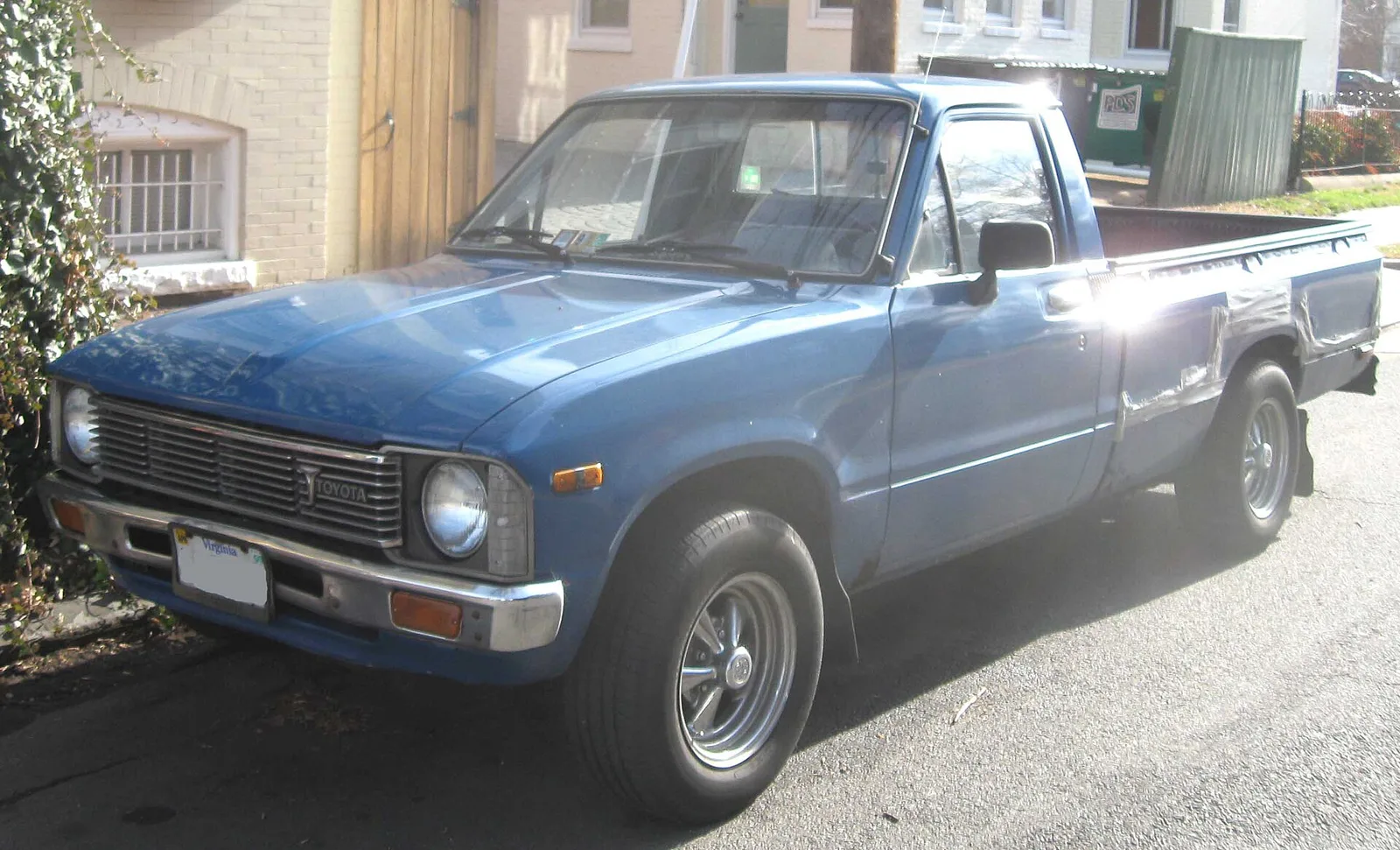
If one civilian product symbolizes modern irregular war, it's the Toyota pickup.
The story peaks in the Toyota War, the final phase of the Chadian Libyan conflict in 1987. Chad, backed by France and the United States, mounted anti tank missiles and heavy machine guns on around 400 Toyota Hilux and Land Cruiser pickups and used desert mobility to destroy Libyan armor. Libya lost roughly one tenth of its army, about 7,500 troops, plus hundreds of tanks and vehicles. The war was named after the truck. Time magazine and the US Army war college still teach it as proof that mobility plus cheap firepower beats heavy armor in open terrain.
Why the Hilux kept winning for the next forty years comes down to engineering facts:
- Ladder frame chassis with live axles that tolerate overloading and bad welding jobs in field workshops
- Naturally aspirated and later turbo diesel engines that run on poor fuel and survive missed services
- Leaf spring rear suspension that carries a ton of fighters, weapons and water without complaint
- Global parts commonality, since the same truck sold from Bangkok to Nairobi to Lima
- A steel bed that accepts a gun ring, a mortar baseplate or a stretcher with hand tools
Regular armies formalized what guerrillas discovered. The US Army Special Forces ran the S9 pickups, and in 2020 the Army selected the GM Defense Infantry Squad Vehicle, a 5,000 pound truck based 90 percent on the civilian Chevrolet Colorado ZR2 pickup, including its 2.8 liter Duramax diesel, its frame and many suspension parts. Nine soldiers, a truck that fits inside a CH-47 Chinook, built from showroom parts. The British Army did the same logic earlier with Land Rover, itself a 1948 civilian farm vehicle that became a military icon for fifty years.
Civilian lesson: the prepper affection for old diesel pickups isn't nostalgia. It's the same calculation the Pentagon made. Simple diesel, manual linkages where possible, parts shared with a million other trucks on the road, and a bed that works as a table, a bed and a gun platform.
2. DJI Camera Drones Over Every Trench
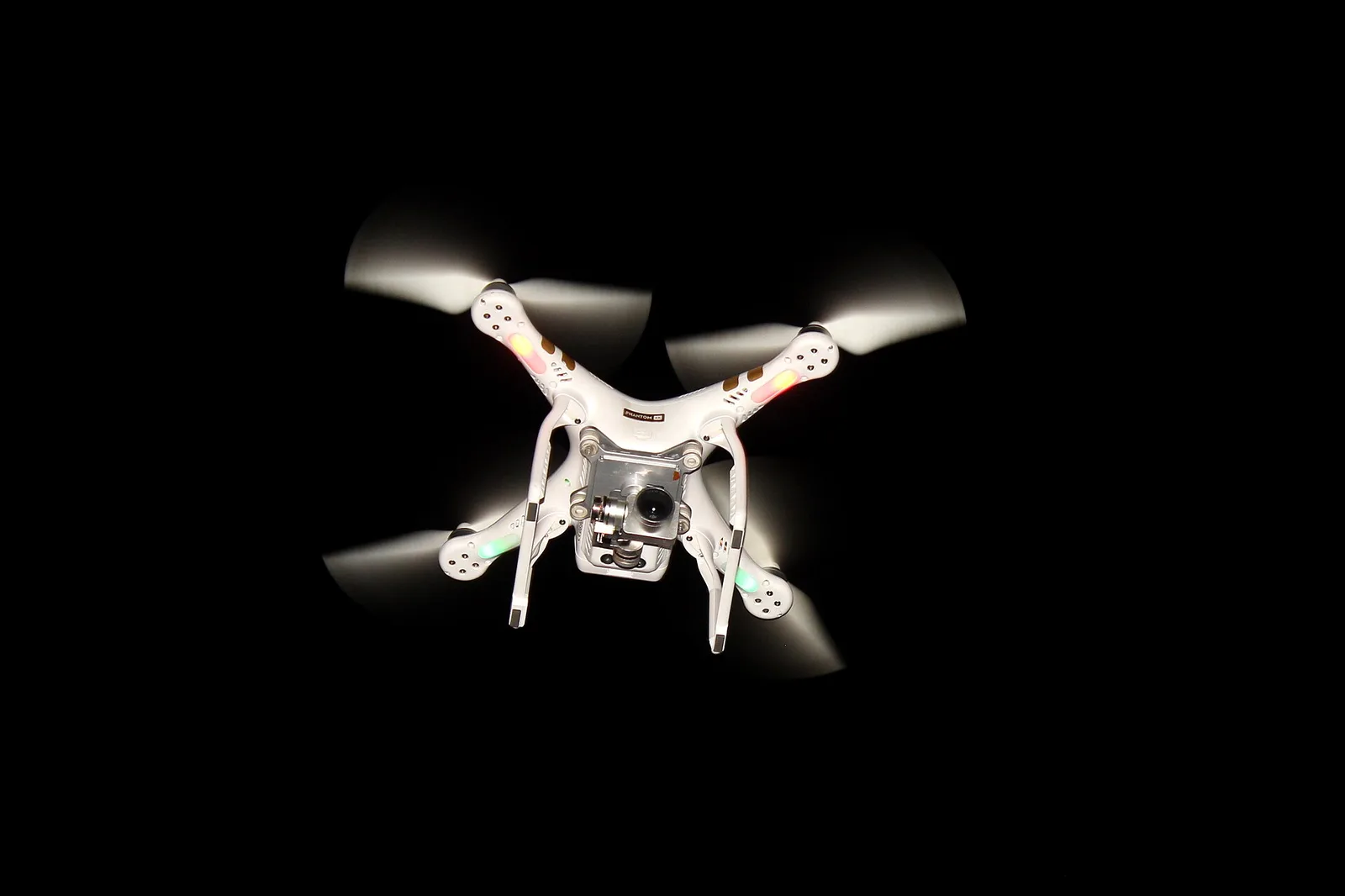
The DJI Phantom first flew in 2013 as a wedding videographer tool. A decade later its descendants owned the sky over Ukraine.
Both Ukrainian and Russian units fly thousands of off the shelf DJI Mavic 3 and similar quadcopters for artillery spotting, trench reconnaissance and bomb dropping with 3D printed release hooks. A 2,000 dollar drone with a 4/3 sensor and 46 minutes of endurance replaced missions that once needed a manned helicopter or a million dollar military UAV. First person view racing drones, another civilian hobby product costing a few hundred dollars, became precision strike weapons with wire guided immunity to jamming through fiber optic spools.
Militaries learned three hard lessons civilians should note:
- Consumability beats capability. Losing a 2,000 dollar drone to find a 2 million dollar air defence system is a trade every commander takes. Units plan for losses per week the way they plan for fuel.
- The software chain matters more than the airframe. DJI AeroScope remote ID broadcasts exposed operator positions, pushing Ukraine toward Autel, Parrot Anafi USA and home built FPV designs. Buying the drone is step one. Owning its data path is step ten.
- Hobby skills transfer directly. FPV racing pilots, RC modelers and photography drone operators needed almost no retraining. The civilian hobby base became a trained reserve overnight.
Civilian lesson: for search and rescue teams, farmers and hams doing antenna site surveys, the same Mavic class drone is a legitimate capability. Learn the remote ID rules in your country, practice manual flight without GPS assist, and assume anything you fly near a conflict or an airport is tracked.
3. Starlink Satellite Internet at the Front
Starlink was designed to sell broadband to rural homes, RVs and ships. It became the backbone of Ukrainian command and control within weeks of the 2022 invasion, with tens of thousands of terminals rushed in as fiber lines were cut and cell towers destroyed.
The military appeal is structural. A flat high performance dish, about the size of a pizza box, delivers 50 to 200 Mbps with 25 to 60 ms latency from low earth orbit, sets up in minutes, runs on a generator or a truck battery through an inverter, and moves with the unit. Artillery teams, drone pilots and headquarters share video, fire missions and intelligence over the same link a farmhouse uses for streaming. The US Department of Defense formalized the relationship with the Starshield service line for government users.
The cautions are equally structural. Civilian constellations are single points of failure owned by one company, subject to business decisions, export controls and cyberattack. Russia has targeted Starlink with jamming and attempted hacking, and service over Taiwan, mainland China and other regions follows corporate and regulatory policy rather than any single military alliance. Every staff college now teaches the same line: use it, but never depend on only it.
Civilian lesson: for EmComm groups, a consumer satellite terminal plus a battery bank is the fastest way to restore internet to a shelter or a net control station. Pair it with HF radio and a local mesh so the loss of one path never kills the whole net.
4. Smartphones and ATAK Tactical Software
The US Army once issued every dismounted leader a custom Defence Advanced GPS Receiver the size of a brick. Today many carry a Samsung Galaxy S series phone in a Juggernaut case running the Android Tactical Assault Kit, ATAK for short.
ATAK began at the Air Force Research Laboratory as mapping software for civilian Android phones. It overlays blue force positions, red force reports, drone video, range rings, medevac routes and chat on offline maps, and it talks to radios through plug ins. The Army Nett Warrior program, the Marine Corps and partner forces across NATO field it on the Samsung Tactical Edition phones with locked bootloaders. The software is government furnished, free to US government users, with a civilian build that hikers, search teams and even wildland firefighters use legally.
Why phones won:
- Screens, touch response, batteries and processors improve yearly on civilian money, while custom military computers improve on defence budget cycles
- Every 19 year old recruit already knows the interface, which cuts training to hours
- One device replaces a GPS, a map case, a laser rangefinder display, a drone screen and a messenger
- Civilian accessories, from cases to battery packs to vehicle mounts, cost a tenth of mil spec equivalents
The hardening is honest work rather than magic. Tactical phones add physical cases, locked firmware, VPN tunnels, disabled radios and sideloaded rather than store installed apps. They still hate water immersion, extreme cold kills their batteries like any phone, and screen glow needs discipline at night.
Civilian lesson: a phone with downloaded offline maps, a battery case and a cheap Bluetooth GPS puck is 80 percent of a military navigation rig. Hams running APRS alongside ATAK style mapping get the best of both worlds, RF position reports plus rich local maps.
5. Xbox Controllers Driving Submarines and Drones
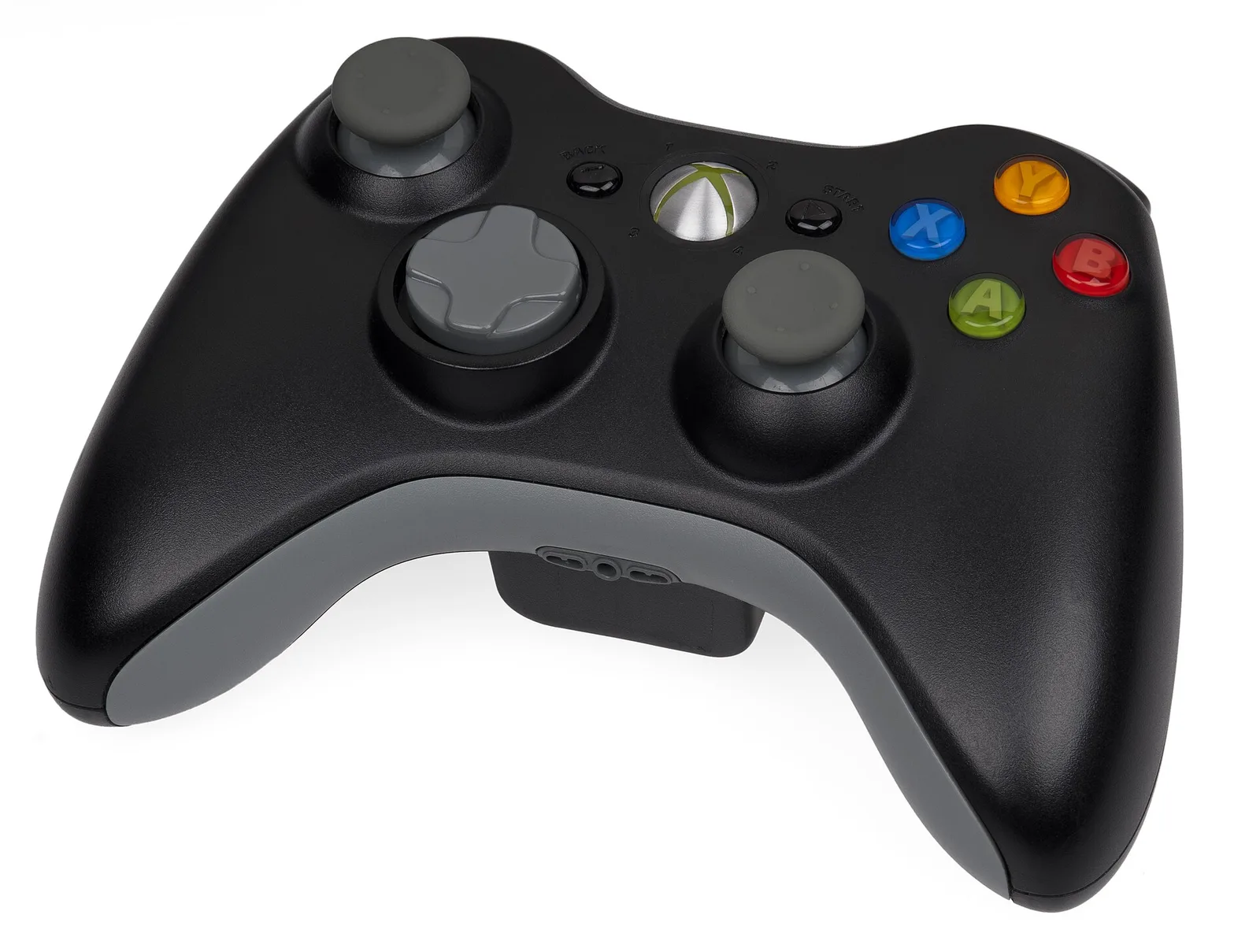
In 2018 the US Navy replaced the 38,000 dollar custom joystick controlling the photonic masts on Virginia class submarines with an off the shelf Xbox 360 controller costing about 30 dollars. Junior sailors who grew up on consoles learned the control in hours instead of weeks, and spares came from any electronics store rather than a sole source defence contractor.
The pattern repeated everywhere. Military drone operators fly many small UAVs with modified Xbox and PlayStation style controllers. Bomb disposal robots, camera turrets and simulator stations use the same gamepads. The ergonomics argument is simple: Microsoft and Sony spent billions on human factors testing across hundreds of millions of users. No defence lab can match that sample size.
Civilian lesson: if a gamepad is good enough to raise a submarine mast, it is good enough for your antenna rotator, your camera slider or your club robot project. Standardize on one controller family so any member can operate any station.
6. HoloLens Augmented Reality and the IVAS Goggles
Microsoft built the HoloLens 2 as an enterprise product for factory technicians and surgeons. The US Army is turning it into the Integrated Visual Augmentation System, IVAS, a ruggedized mixed reality goggle meant to show soldiers navigation cues, friendly positions, weapon sights and drone feeds inside their field of view.
The program, worth up to 21.9 billion dollars over its lifetime, stumbled through early versions with bulk, rain failures and nausea complaints, then pivoted to the slimmer IVAS Next and Anduril partnerships. Whatever the final form, the direction is fixed. The display, the hand tracking and the developer ecosystem come from the civilian product. The Army adds ballistic protection, night vision fusion and tactical software.
Civilian lesson: augmented reality maintenance overlays that guide a soldier through a generator repair will soon guide a homeowner through a furnace repair. Watch this program for where consumer AR glasses go next.
7. iPads in Cockpits and Command Posts
The paper kneeboard, a clipboard strapped to a pilot thigh holding approach plates and checklists, survived for a century. The iPad killed it in about five years.
Starting around 2011, airlines won FAA approval for iPads as electronic flight bags, and air forces followed fast. USAF Air Mobility Command fields tens of thousands of iPads with the ForeFlight style pubs, weight and balance tools and aeromedical apps. Army helicopter crews, artillery fire direction centers and logistics yards use tablets for manuals, maintenance forms and cargo tracking. A 600 dollar tablet replaced flight bags weighing 40 pounds and printing budgets measured in millions.
Why tablets stuck: the civilian display supply chain delivers brighter, lighter and sharper screens every year, app updates arrive without a depot visit, and a cracked screen swaps in minutes. The military adds encrypted containers, mobile device management and rugged cases, but the glass and silicon stay civilian.
Civilian lesson: your flight bag, go box or field binder can follow the same path. One tablet with offline manuals, band plans, repeater lists and PDF checklists, backed by a second cheap tablet in a sealed bag, beats a shelf of binders.
8. GoPro Action Cameras on Helmets
GoPro built a waterproof vitamin sized camera for surfers in 2004. Within a decade it was standard helmet equipment for infantry, special forces, combat engineers and military working dog handlers.
The uses go far beyond publicity clips. After action review of room entries, bridge demolition documentation, vehicle recovery training, parachute jump debriefs and combat engineer route surveys all run on action camera footage. Investigators reconstruct incidents frame by frame. Instructors build training libraries from real operations instead of staged demos. The camera costs a few hundred dollars, mounts to any rail or helmet, survives mud and rain, and any private can operate it without instruction.
The security cost is real. Geotagged footage, visible unit patches and background landmarks have compromised operations repeatedly, and several forces now restrict recording on missions. The camera stays, the discipline around it grows.
Civilian lesson: mount one on your tower climbing helmet, your Field Day mast raising or your SOTA activation. You'll spot rigging mistakes you never felt in real time, and the club training library will thank you.
9. Wristwatches From Trenches to G-Shocks and Garmins
The wristwatch itself is a civilian product the military adopted. In 1900 gentlemen carried pocket watches and strapping a watch to a wrist looked eccentric. By 1917 artillery officers, pilots and infantry leaders needed hands free time for synchronized barrages, and the trench watch, a pocket watch movement in a wrist case with a shrapnel guard, became standard issue. The entire modern watch industry pivoted to the wrist because soldiers bought them.
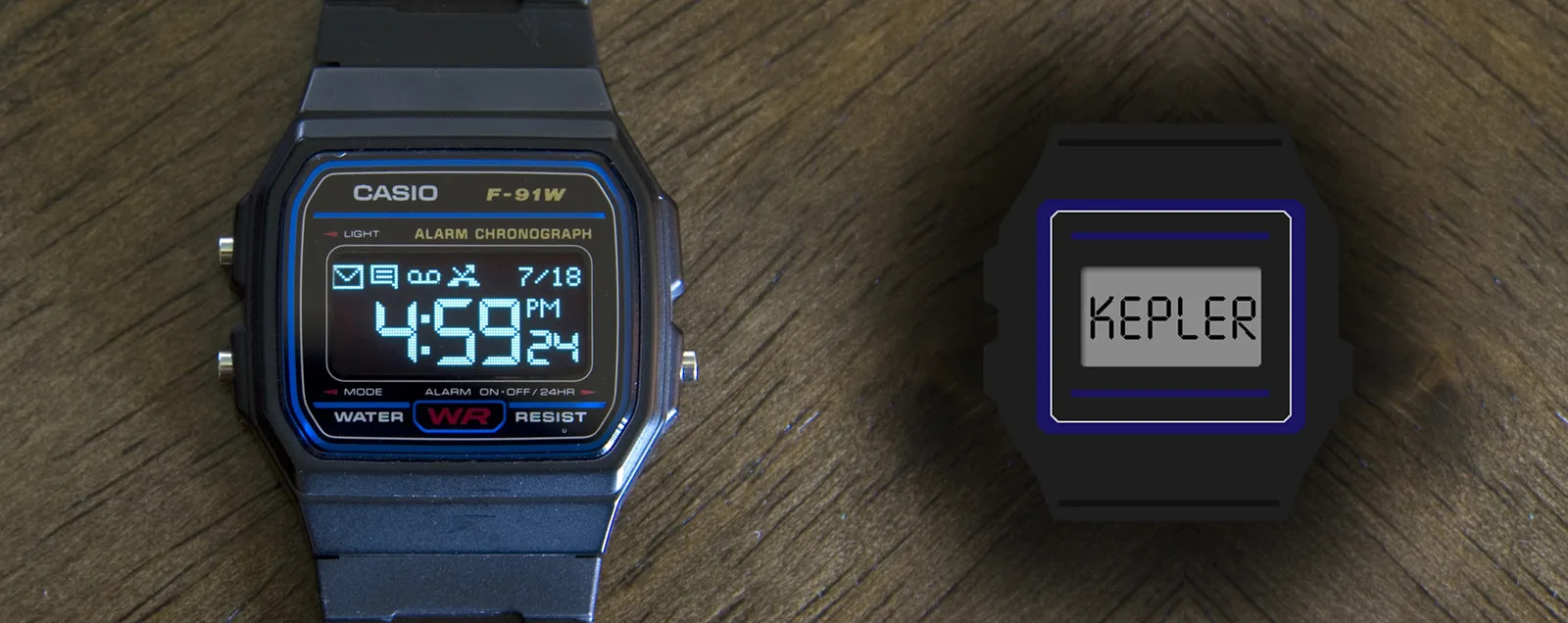
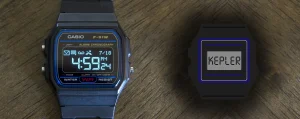
The pattern repeated twice. Casio built the G-Shock in 1983 for construction workers and bikers who smashed normal watches, engineering a floating module in urethane that survives 10 meter drops and 200 meter water resistance. Soldiers adopted it en masse because it survives what issues watches don't, at a price a private can afford to replace. Then Garmin built GPS sports watches for runners and hikers, and special operations units, pilots and forward observers adopted Fenix and Tactix models for navigation, barometric altitude, night vision compatible backlights and week long batteries.
Civilian lesson: a 100 dollar G-Shock plus a basic GPS watch covers timing, navigation backup and ruggedness for any field hobby. Change the battery on schedule and learn the stopwatch, countdown and dual time functions before you need them under pressure.
10. Velcro From a Swiss Walk to Flight Suits
In 1941 Swiss engineer George de Mestral walked his dog in the Alps, noticed burdock burrs clinging to fur and cloth, and put the hooks under a microscope. Ten years of development produced Velcro, nylon hooks mating with nylon loops, patented in 1955 and sold for shoes and clothing.
NASA made it famous on Apollo suits and in zero gravity storage, but militaries made it standard. Flight suits, plate carriers, helmet covers, blood type patches, unit insignia, cable management and boot closures all run on hook and loop because it works with gloves, works in the dark, adjusts in seconds and fails gracefully. A zipper jammed with sand ends a mission task. A Velcro strap full of sand still closes.
The limits are known and managed. It rips loudly, which matters on night patrols, it wears out after thousands of cycles, and it melts near high heat. Silent coin pocket buttons and metal buckles survive where quiet and fire resistance matter.
Civilian lesson: for go bags, antenna kits and cable management, hook and loop wraps and panels beat zip ties for anything you open more than twice. Reserve silent closures for anything involving wildlife photography, hunting or sleeping babies.
11. Commercial Airliners Turned Hunters and Tankers
The Boeing P-8 Poseidon hunting submarines over the Pacific is a Boeing 737-800 airliner with weapons. The KC-46 Pegasus refueling fighters over the Red Sea is a Boeing 767 with a boom. The E-7 Wedgetail managing air battles is a 737 with a radar surfboard on top.
Buying an airliner and militarizing it flips the traditional program. The airframe, engines, avionics and global maintenance network already exist and already make money. Military engineers add mission systems, hardpoints and defensive aids instead of designing a whole airplane. Crews train partly in civilian simulators, parts arrive from commercial depots, and operating costs track airline economics rather than bomber economics.
The compromise: airliners can't pull fighter g maneuvers or land on dirt strips, and every military modification must be re certified against the civilian baseline. For maritime patrol, transport, refueling and command missions, the trade is overwhelmingly worth it.
Civilian lesson: platform thinking beats bespoke thinking. The club that builds its emergency station around a common vehicle, a common generator and a common radio family will outlast the club with three exotic one off systems.
12. Battlefield Expedients: Superglue, Condoms and Cable Ties
The most honest category is the improvised one, where soldiers adopt civilian products nobody intended for war.
- Superglue. Eastman Kodak chemists invented cyanoacrylate during World War II gunsight research and sold it as a household adhesive. In Vietnam, medics sprayed it to close wounds fast enough to reach surgery, a practice that matured into licensed tissue adhesives like Dermabond used in emergency rooms today.
- Condoms. Infantrymen have stretched non lubricated condoms over rifle muzzles from World War II to the Gulf War to keep out water, mud and sand. They cost cents, weigh nothing, shoot straight through without affecting the first round, and pack flat by the dozen.
- Cable ties and 100 mph tape. The modern soldier carries heavy duty zip ties for everything from antenna lashing to flex cuff restraints to boot lace repair, plus olive drab duct tape for the thousand jobs in between.
- Tampons and sanitary pads. Medics have used them as expedient pressure dressings for penetrating trauma, sterile, absorbent and individually packed. Purpose built hemostatic gauze is better, but the expedient has saved lives.
- Pantyhose and shemaghs. No explanation needed for anyone who has served in dust or mosquitoes.
Civilian lesson: pack the expedients alongside the proper gear. A first aid kit with real tourniquets and chest seals plus a side pocket of superglue, tape, ties and condoms for electronics waterproofing covers both the textbook and the real world.
Civilian Versus Military at a Glance
| Product | Civilian origin | Military use today | What had to change |
|---|---|---|---|
| Toyota Hilux pickup | Japanese farm and tradesman truck | Technicals, patrol trucks, GM ISV base | Gun mounts, armor kits, radio fits, desert cooling |
| DJI camera drones | Wedding and real estate photography | Artillery spotting, recon, FPV strike | Dropped munition hooks, frequency changes, non DJI data paths |
| Starlink | Rural home broadband | Frontline comms, drone control, HQ links | Hardened power, Starshield service tier, emission discipline |
| Smartphones with ATAK | Consumer Android phones | Blue force tracking, mapping, drone feeds | Locked firmware, tactical cases, VPN, offline maps |
| Xbox controllers | Living room gaming | Submarine masts, UAV and robot control | Firmware locks, cable retention, spare pools |
| HoloLens AR | Factory and hospital visualization | IVAS combat goggles program | Ballistic shell, night vision fusion, ruggedization |
| iPad tablets | Consumer media tablet | Electronic flight bags, fire direction, logistics | MDM encryption, rugged cases, approved app stores |
| GoPro cameras | Surf and action sports | Helmet footage, training, battle damage review | Recording discipline, OPSEC review, mount standards |
| G-Shock and Garmin watches | Construction and running watches | Standard soldier and operator wear | NVG compatible light, MGRS and ballistics apps |
| Velcro | Clothing fastener | Flight suits, plate carriers, patches | Fire resistant blends, silent closures where needed |
| Boeing 737 and 767 airframes | Airline passenger jets | P-8 Poseidon, KC-46 Pegasus, E-7 Wedgetail | Mission systems, hardpoints, defensive aids, recertification |
| Superglue, condoms, cable ties | Household and pharmacy goods | Wound closure, muzzle covers, field repair | Medical licensing for adhesives, SOPs for expedients |
What Hams, Preppers and Makers Should Copy
The pattern across all twelve products is consistent enough to use as a buying rule.
Buy the popular civilian thing, then harden the last 10 percent yourself. The Hilux needs a radio fit, not a new engine. The phone needs offline maps and a case, not a custom build. The drone needs frequency awareness and manual flight skill, not a military label. Civilian scale gives you the price and the parts chain. Your own hardening gives you the reliability.
Practice the skill the product assumes. FPV pilots, offline map readers, manual drone flyers and field medics with real tourniquet training get the value. The product alone is a paperweight without the hours.
Keep one non civilian backup. Starlink plus HF radio. Smartphone maps plus paper and compass. Drone survey plus a mast and binoculars. Every military above learned that civilian supply chains can be sanctioned, jammed or simply switched off. Redundancy is the actual product.
Watch the data path. The cheapest drone that streams to a foreign cloud, the free app with full location permission, the connected watch syncing to an open account, all of them can betray a position. Route data through accounts and servers you control, strip metadata from shared photos, and test what your gear transmits before the field tests you.
Sources and Further Reading
- Toyota War, Chad versus Libya 1987: https://en.wikipedia.org/wiki/Toyota_War
- GM Defense Infantry Squad Vehicle, 90 percent commercial parts on the Colorado ZR2: https://www.gmdefensellc.com/home/integrated-vehicles/infantry-squad-vehicle.html
- Nett Warrior Samsung end user device for dismounted leaders: https://www.army.mil/article/107811/nett_warrior_gets_new_end_user_device
- DJI Phantom history and specifications: https://en.wikipedia.org/wiki/DJI_Phantom
- SpaceX Starshield government satellite service: https://www.spacex.com/starshield
- TAK Product Center, official ATAK software hub: https://tak.gov/
- Navy Xbox controllers for submarine periscopes, Navy Times 2017: https://www.navytimes.com/news/your-navy/2017/09/18/navy-plans-to-use-xbox-controllers-for-new-periscope-systems
- Army IVAS campaign of learning and fielding plan: https://www.army.mil/article/264773/ivas_campaign_of_learning_ensures_development_production_and_fielding_remain_on_track
- Air Mobility Command electronic flight bag milestone: https://www.af.mil/News/Article-Display/Article/1093078/amc-achieves-electronic-flight-bags-milestone
- G-Shock origin story, Project Team Tough: https://gshock.casio.com/us/identity
- Velcro Companies history, de Mestral 1941: https://en.velcro.com.hk/original-thinking/our-story
- Boeing P-8 Poseidon multimission maritime patrol aircraft: https://www.boeing.com/defense/patrol-early-warning-and-battle-management/p-8-poseidon
- Trench watch, the wristwatch adopted in World War I: https://en.wikipedia.org/wiki/Trench_watch
- GoPro history, from 2004 HERO to global action camera: https://en.wikipedia.org/wiki/GoPro
- Cyanoacrylate wound closure history in Vietnam: https://en.wikipedia.org/wiki/Cyanoacrylate
73 de 9M2PJU


Post Comment