How Meshtastic Works
In a world where communication infrastructure can be unreliable-or even unavailable-projects like Meshtastic are pushing the boundaries of decentralized, off-grid messaging. Built around low-power LoRa radios, Meshtastic provides peer-to-peer mesh networking for text-based communication without the need for cellular, Wi-Fi, or satellite connectivity.
But how does it actually work under the hood? This article offers a technical overview of the Meshtastic architecture, protocols, and hardware that make it possible.
What Is Meshtastic?
Meshtastic is an open-source firmware and app ecosystem that enables users to send encrypted text messages and telemetry over a self-healing, long-range mesh network using inexpensive LoRa radios. It is especially useful for:
- Outdoor adventures (hiking, skiing, biking)
- Emergency preparedness
- Decentralized communities
- Off-grid events (e.g., festivals, camps)
The Core Technology Stack
Meshtastic is composed of the following core components:
1. LoRa Radios
Meshtastic leverages Semtech’s LoRa transceivers (e.g., SX1262, SX1276), typically housed on modules like:
- TTGO T-Beam
- Heltec Wireless Stick
- RAK Wireless boards
LoRa (short for Long Range) is a physical layer radio modulation that operates in unlicensed ISM bands (e.g., 433 MHz, 868 MHz, 915 MHz). Its low data rate (typically < 300 kbps) is offset by its ability to reach distances of 2-10 km in open terrain with extremely low power consumption.
2. ESP32 Microcontroller
Most Meshtastic nodes are powered by the ESP32 platform, which provides:
- Wi-Fi/Bluetooth capability for local interfaces
- GPIO for peripherals (GPS, OLED)
- Adequate processing power for packet handling and encryption
3. Mesh Networking Protocol
At the heart of Meshtastic is its custom lightweight mesh protocol, designed to handle:
- Packet forwarding across multiple nodes (multi-hop)
- Message deduplication and timestamping
- Path discovery and optimization (basic flooding with filtering)
- Optional routing metadata for controlled message propagation
Encryption and Security
Meshtastic uses AES-256 encryption by default for all messages, ensuring that only authorized nodes in the same channel (with the same encryption key) can decrypt communications. Each mesh channel is defined by:
- Channel Name (hash seed)
- PSK (Pre-Shared Key) used for symmetric encryption
Key exchange is manual (or QR-based) to avoid over-the-air compromise.
Message Types
Meshtastic supports various message types, including:
- Text Messages (with delivery confirmation)
- Position Reports (GPS-based)
- Telemetry (battery, signal strength, uptime)
- Node Metadata (nickname, hardware info)
- Configuration Commands (e.g., set channel, transmit power)
Each packet is encoded using protobuf to reduce payload size and increase processing efficiency.
Interfaces: How Users Interact
1. Meshtastic App
Available for Android, iOS, and desktop, the app connects via Bluetooth or serial USB to a node. It provides:
- Chat-style messaging
- Channel settings
- Device diagnostics
- Firmware updates
2. Command Line Interface (CLI)
For power users, Meshtastic offers a Python-based CLI:
meshtastic --info
meshtastic --set is_router true
3. MQTT Gateway
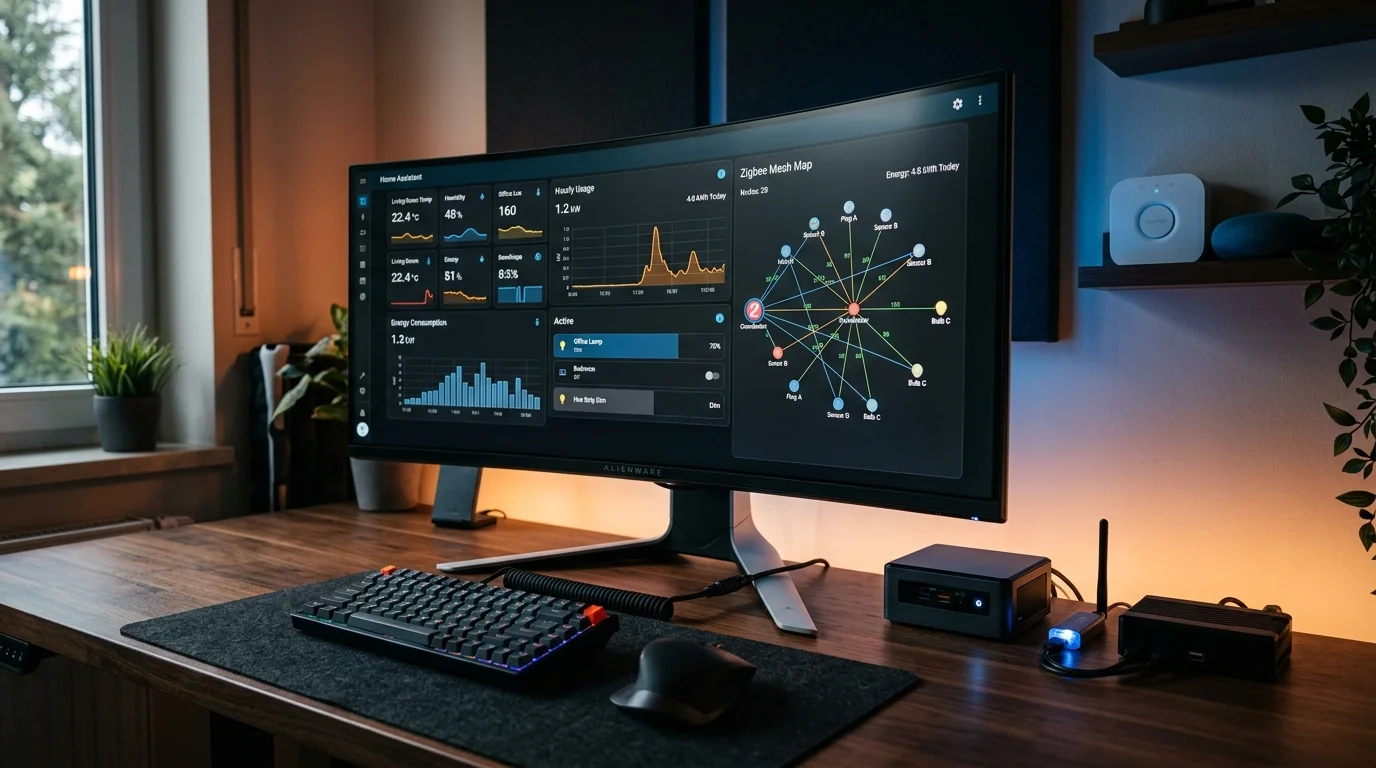
With Wi-Fi enabled, a node can act as an MQTT bridge to a central server (e.g., Home Assistant, Mosquitto) for cloud-based communication and automation.
Power Consumption and Deployment
Meshtastic is optimized for low-power operation, allowing devices to run for days or even weeks on a single 18650 battery. Power-saving features include:
- Deep sleep mode between transmissions
- Adaptive transmission interval
- Minimal background processing
Users can deploy nodes as:
- Portable handheld devices
- Fixed solar-powered repeaters
- Backpack-mounted trackers
Community and Ecosystem
Meshtastic is maintained by a passionate open-source community and continues to evolve rapidly. Popular ecosystem projects include:
- Meshtastic-web: Web-based interface for configuring nodes
- Meshmap: Real-time network topology visualization
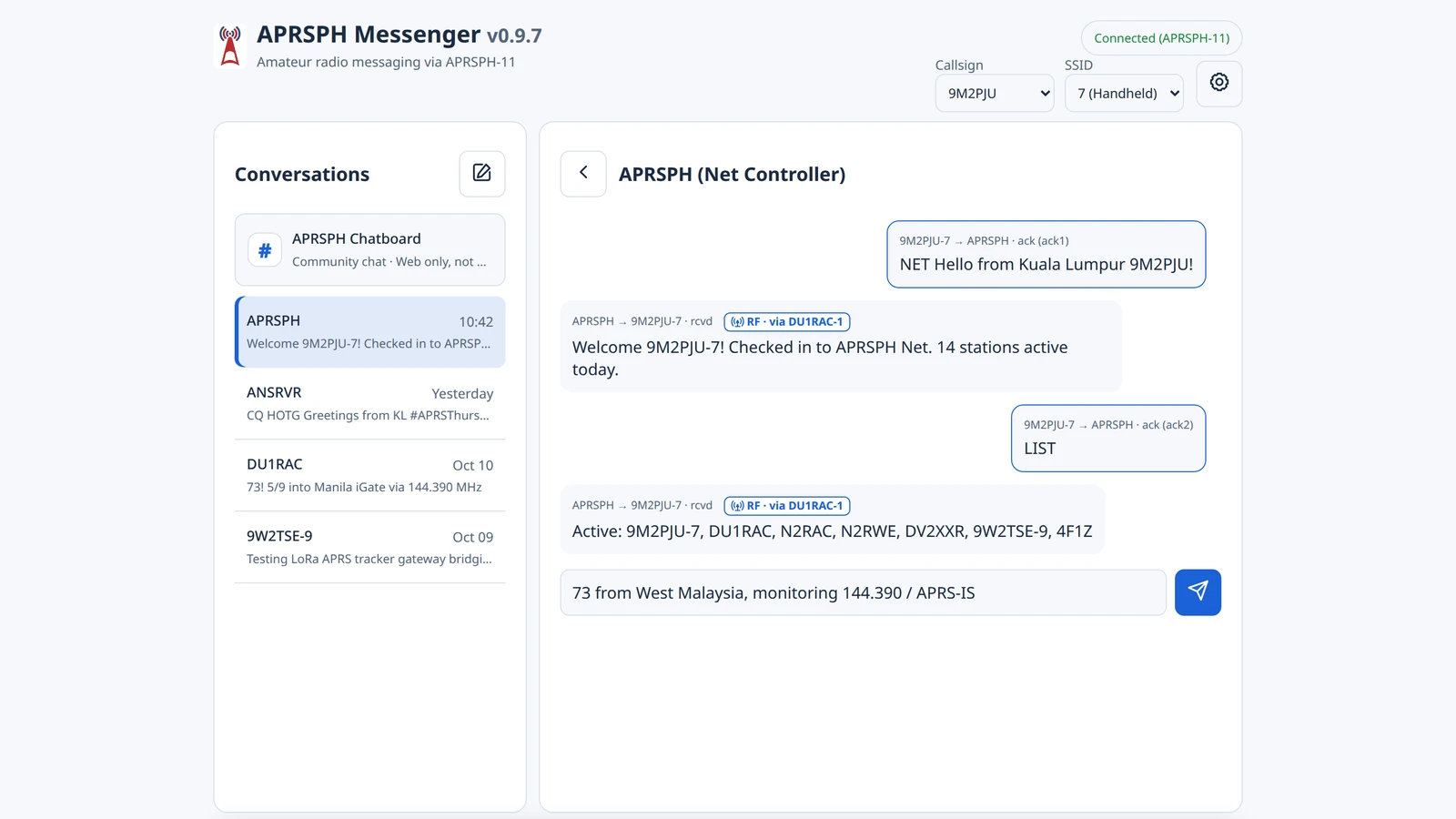
- APRSTastic: Bridging Meshtastic to APRS networks
Development is active on GitHub, and community support thrives on Discord and forums.
Limitations
Despite its versatility, Meshtastic has constraints:
- Not suitable for voice or real-time video
- Regulatory limits on duty cycle in some LoRa bands
- Message latency increases with network congestion
- No IP-level networking (not designed for TCP/UDP)
Final Thoughts
Meshtastic represents a powerful and elegant solution for decentralized, off-grid communication. By blending the reliability of LoRa, the accessibility of ESP32 hardware, and the flexibility of mesh protocols, it opens up a world of possibilities-from backcountry expeditions to disaster recovery.
Whether you’re an amateur radio enthusiast, an emergency planner, or a curious maker, Meshtastic is a fascinating project to explore-and possibly contribute to.
If you’re interested in getting started, visit the official website, explore the documentation, and join the community in building resilient, borderless communication systems.



1 comment