Remote Ham Radio, Simplified: Universal_HamRadio_Remote_HTML5 by F4HTB
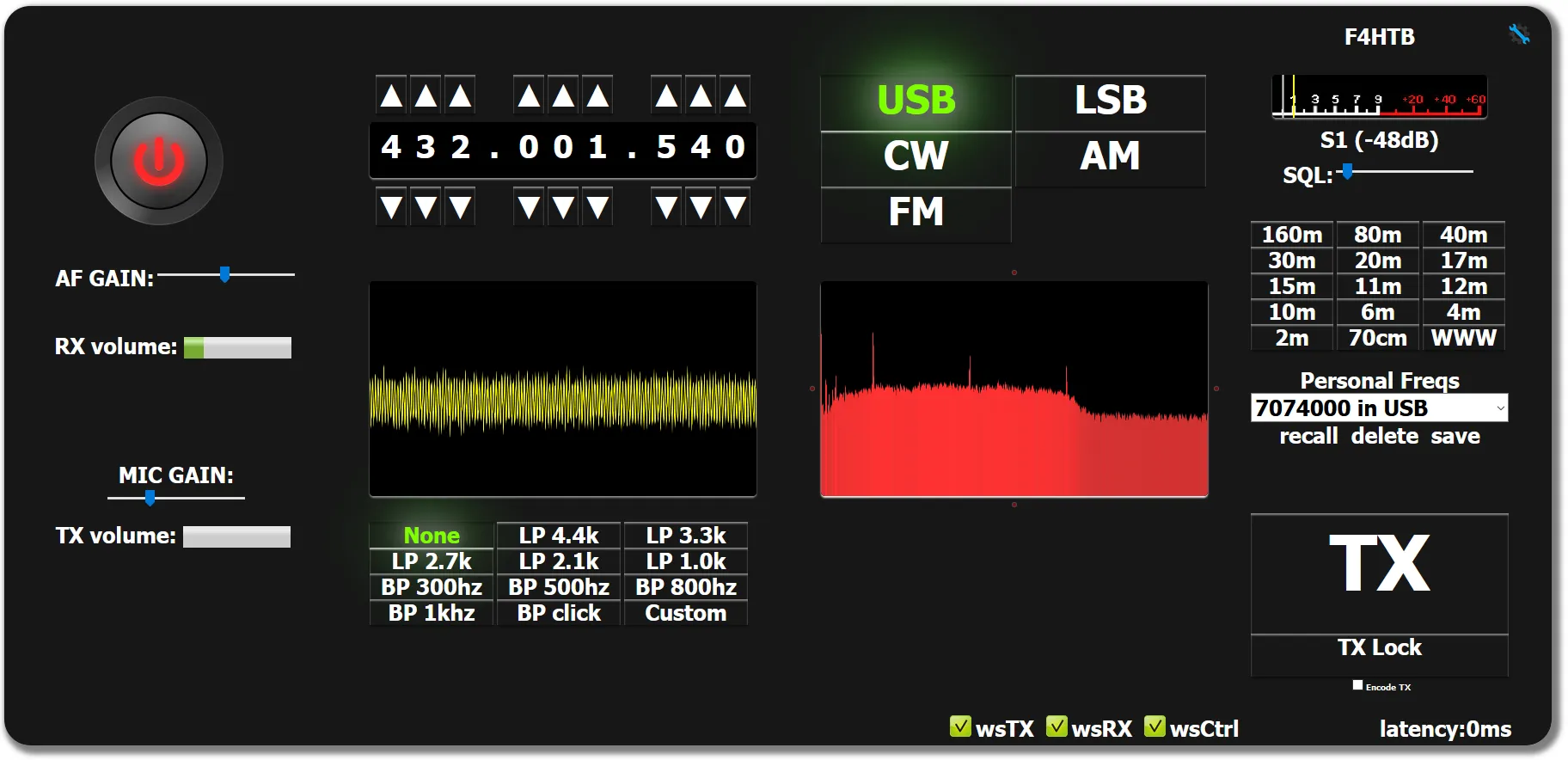
For Amateur radio operators looking to operate their station remotely without complex setup or expensive proprietary gear, Universal_HamRadio_Remote_HTML5 is a refreshing open-source solution. Developed by Olivier (F4HTB) and hosted on GitHub, this project offers a streamlined way to control your HF transceiver via any modern web browser-securely and responsively.
The goal is simple yet powerful: give hams the ability to operate their rigs remotely using a Raspberry Pi, Hamlib-compatible transceiver, and standard audio interfaces-all through a clean, HTML5-based web interface.
🌐 What Is It?
Universal_HamRadio_Remote_HTML5 (UHRR) is a lightweight software suite that brings together:
- A Python-based server backend
- A responsive HTML5 frontend
- Secure access over HTTPS
- Audio support via your computer’s speaker and microphone
Once deployed, it allows two-way communication (both RX and TX) through your browser, making it ideal for voice (phone) and CW (Morse code) operation.
🧩 How It Works
The project is designed around a Raspberry Pi running Raspberry Pi OS Lite (32-bit), although it should work on other similar Linux environments. Here’s what you’ll need:
- Hamlib-compatible transceiver
(e.g., Icom, Yaesu, Kenwood, etc.) - CAT interface for rig control
- Sound interface
- Audio level adaptation between rig and soundcard
- Web browser (Chrome, Firefox, etc.)
Access your rig at https://UHRR.local:8888 and manage configurations at /CONFIG.
🔐 Secure by Design
Unlike many DIY radio tools, UHRR prioritizes secure remote access:
- SSL encryption (HTTPS)
- Local authentication via pre-configured
.crtand.keyfiles - User database support
- Browser-based access with no need for third-party apps
This makes it suitable for off-site remote station management, whether you’re away from home, operating from a hotel, or setting up a shared club station.
🚀 Quick Deployment with Docker
For advanced users or those who prefer containerized setups, UHRR provides a Dockerfile and docker-compose.yml, making deployment and updates significantly easier. This also improves portability across servers, cloud platforms, or other ARM-based boards.
📸 Visual Configuration & Interface
The system auto-detects if the configuration is missing or broken and redirects to the setup interface. This means you don’t need to SSH into your Pi every time you need to tweak a setting. It’s beginner-friendly without sacrificing flexibility.
Also included are graphical representations like:
- Audio flow diagram
- Functional block overview
- UHRR interface screenshots
These help new users understand signal flow and operation at a glance.
🙌 Why It Stands Out
What makes Universal_HamRadio_Remote_HTML5 especially attractive is its pragmatic approach:
- It avoids feature bloat.
- It’s focused on reliability and legality.
- It supports real-world, practical use cases.
- It encourages contributions and community feedback.
This is not a full SDR interface or logging suite-it’s designed for remote station operation in a legal and practical manner. You won’t find QSL features, SDR waterfalls, or plugin systems. Instead, you get a focused tool that works well and stays out of your way.
🤝 Community & Contributions
This project owes its success to multiple contributors, including:
- Mike W9MDB and the Hamlib team
- Developers and testers like @xylle, @n1zzo, @f6fvy, and others
- Radio amateurs worldwide who test, fork, and share improvements
Have a success story? The creator encourages you to email him at:
📧 [email protected]
🛠 Where to Start
- GitHub Repository:
🔗 https://github.com/F4HTB/Universal_HamRadio_Remote_HTML5
Whether you’re a seasoned operator or a curious maker, Universal_HamRadio_Remote_HTML5 is a practical and polished tool to add remote functionality to your station. It’s open source, secure, and built with ham radio needs in mind.




Post Comment