POTA and SOTA at Diamond Head: When a Morning Ham Radio Activation Became a Real-World Mountain Rescue
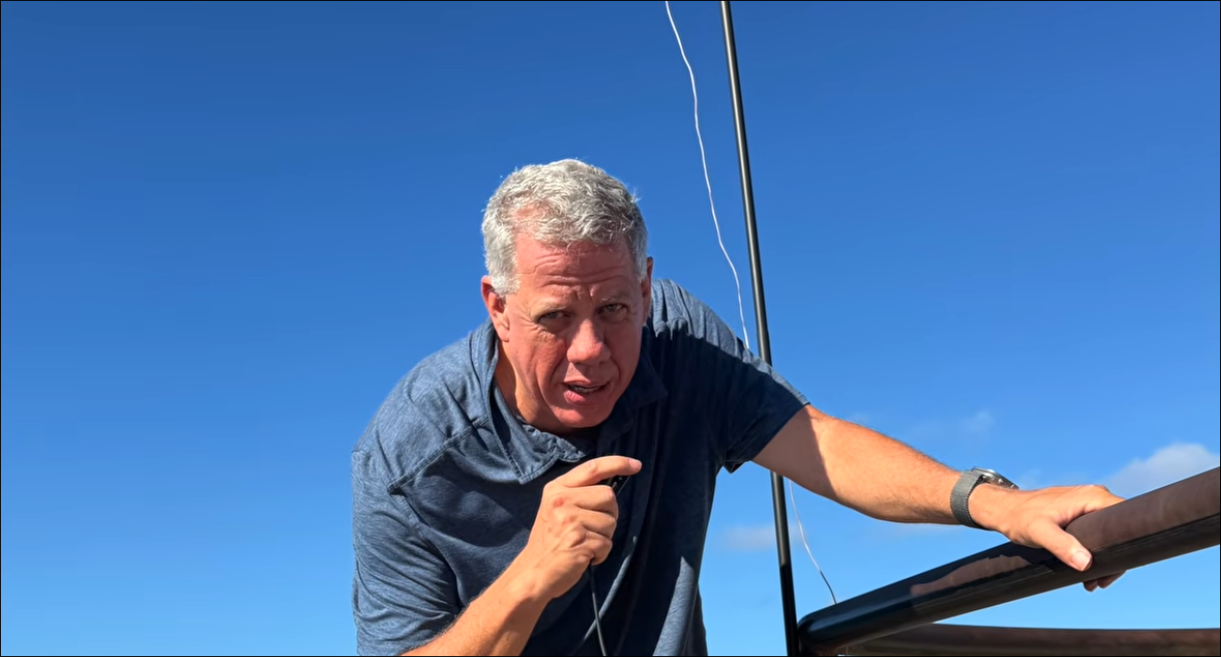
TL;DR: On September 16, 2026, amateur radio operator Michael Miller (KH6ML) was completing a morning Parks on the Air (POTA) and Summits on the Air (SOTA) activation on Oahu’s famous Diamond Head summit when a visitor collapsed inside a reinforced concrete observation bunker. Leveraging his field radio gear, dual-path communications (cellular 911 plus standby VHF amateur repeater backup), and emergency training as Honolulu RACES Deputy Coordinator, Miller coordinated with Honolulu Fire Department rescue teams and emergency helicopter crews to save the patient.
What Happened During the Diamond Head POTA/SOTA Activation?
During a routine combined Parks on the Air and Summits on the Air activation at Diamond Head (Lēʻahi) in Honolulu, Hawaii, amateur radio operator Michael Miller (KH6ML) transitioned from making portable radio contacts to coordinating a multi-agency emergency rescue for a collapsed visitor inside a reinforced summit bunker. The incident highlights how regular field radio operations cultivate practical communications discipline, situational awareness, and emergency preparedness that directly serve the public during unexpected crises.
+-----------------------------------------------------------------------------+
|               Diamond Head Incident & Emergency Response Flow               |
+-----------------------------------------------------------------------------+
 [7:15 AM Ascent] ───────► Diamond Head Summit Trail (Oahu, Hawaii)
                                  │
 [Portable Station Setup] ──► FX-4CR HF (20W) + Bioenno LiFePO4 + EFHW Wire
                              AnyTone Dual-Band VHF/UHF Handheld
                                  │
 [11 Contacts Logged] ────► POTA US-6425 · POTA US-10913 · SOTA KH6/OH-025
                                  │
 [The Emergency Alert] ───► Panicked Visitor: Woman Collapsed in Summit Bunker
                                  │
          ┌───────────────────────┴───────────────────────┐
          │                                               │
          ▼                                               ▼
 [Direct 911 Dispatch Ingest]                    [Amateur Radio Backup Net]
 · Cellular 911 Call to HFD Dispatch             · Alerted Local VHF Repeaters
 · Relayed Japanese Family Details               · Operators Placed on Standby
 · Medical Triage & Bunker Position              · Alternate Path for Cell Drop
          │                                               │
          └───────────────────────┬───────────────────────┘
                                  │
                                  ▼
 [Multi-Agency HFD Response] ──► Firefighters Ascend Summit with Medical Gear
                                 Air 1 Rescue Helicopter Deployed
                                  │
 [Patient Extrication] ────────► Patient Airlifted to Trauma Care
                                 KH6ML Escorts Family Down the Summit Trail
                                  │
 [Successful Recovery] ────────► Family Reunited & Patient Fully Discharged
Watch: The Diamond Head Activation and Emergency Response Video
Michael Miller recorded the portable activation and the unfolding rescue operation on the summit of Diamond Head. The video below documents the field radio deployment, the bunker location, the arrival of Honolulu Fire Department rescue crews, and the deployment of the emergency rescue helicopter:
+-----------------------------------------------------------------------------+
|                     Video Summary: Diamond Head Activation                  |
+-----------------------------------------------------------------------------+
| Title:        POTA / SOTA Activation Turns Into Emergency Response          |
| Call Sign:    KH6ML (Michael Miller)                                        |
| Location:     Diamond Head Summit (Lēʻahi), Honolulu, Oahu, Hawaii          |
| Designations: POTA US-6425 / US-10913 · SOTA KH6/OH-025                    |
| Video URL:    https://www.youtube.com/watch?v=_GO4as2CSvc                   |
+-----------------------------------------------------------------------------+
The Field Deployment: Setting Up on Diamond Head
On Wednesday morning, September 16, 2026, Michael Miller (KH6ML) started hiking the Diamond Head Summit Trail at approximately 7:15 a.m. His objective was a combined Parks on the Air (POTA) and Summits on the Air (SOTA) activation before reporting to his daily profession as a partner at Tiki’s Grill & Bar in Waikiki.
+-----------------------------------------------------------------------------+
|                           KH6ML Portable Field Station                      |
+-----------------------------------------------------------------------------+
 [HF Transceiver] ──────► Chang-Sheng FX-4CR Multi-Band SDR Transceiver (~20W)
 [Primary Battery] ─────► Bioenno Power Lithium Iron Phosphate (LiFePO4) Pack
 [Antenna System] ──────► End-Fed Half-Wave (EFHW) Multi-Band Wire
 [VHF/UHF Handheld] ────► AnyTone Dual-Band DMR/Analog Handheld Transceiver
 [Designations] ────────► · Diamond Head State Monument (POTA US-6425)
                          · Diamond Head Summit State Trail (POTA US-10913)
                          · Diamond Head Crater Summit (SOTA KH6/OH-025)
Operating portable from the observation summit overlooking the Pacific Ocean and Honolulu, Miller completed 11 high-frequency (HF) contacts to validate the park and summit activations. Just as he logged his 11th contact, a visitor rushed up to his operating position urgently asking for help.
The Incident: Medical Emergency in a Reinforced Bunker
A female tourist visiting from Japan had lost consciousness and collapsed inside the historic observation bunker located just below the summit rim. Diamond Head’s military observation stations were built into the crater rim between 1908 and 1911 as part of the Fort Ruger coastal defense network. These structures feature thick reinforced concrete walls, heavy blast doors, and narrow subterranean access tunnels.
+-----------------------------------------------------------------------------+
|                      The Bunker Environment & Obstacles                     |
+-----------------------------------------------------------------------------+
  [Summit Rim Trail]
          │
          ▼ (Steep, Narrow Concrete Stairs)
  [Subterranean Bunker Portal]
          │
          ▼ (Thick Reinforced Concrete Walls / Steel Blast Openings)
  [Observation Room] ──► Patient Collapsed / Distressed Family (Language Barrier)
          │
          ├── Cellular Attenuation: High RF shielding inside concrete walls
          └── Rescue Access: Difficult stretcher transport over volcanic ridges
Upon learning of the medical emergency, Miller immediately took action:
- Secured the Station: Left his primary HF transceiver and antenna setup secured at the summit bench.
- Grabbed Tactical Comms: Picked up his AnyTone dual-band handheld radio and mobile phone.
- Established Dual-Path Communications: Placed a direct call to 911 dispatch while simultaneously notifying local amateur radio operators on the Oahu repeater network to stand by. Because reinforced concrete bunkers frequently cause cellular dead zones, having an active radio link ensured that an alternate communications path was ready if the telephone call dropped.
- On-Scene Triage and Translation Assistance: Reached the patient, who was traveling with her husband and adult daughter. Miller gathered vital patient status information, breathing conditions, and medical history, relaying every detail directly to emergency dispatchers while reassuring the family.
Multi-Agency Emergency Response: Honolulu Fire Department and Air 1
Honolulu 911 dispatchers maintained constant communication with Miller while dispatching Honolulu Fire Department (HFD) engine companies, rescue specialists, and Emergency Medical Services (EMS).
+-----------------------------------------------------------------------------+
|                      Chronology of the Mountain Rescue                      |
+-----------------------------------------------------------------------------+
 07:15 AM ──► Hike Commences up Diamond Head Summit Trail
 07:45 AM ──► HF Station Deployed at Summit; 11 QSOs Logged (POTA/SOTA valid)
 08:05 AM ──► Panicked visitor alerts KH6ML of collapsed tourist in bunker
 08:06 AM ──► 911 dialed; amateur repeater network alerted for backup comms
 08:08 AM ──► Patient assessment relayed from reinforced bunker to 911 dispatch
 08:20 AM ──► Honolulu Fire Department (HFD) rescue personnel reach the bunker
 08:35 AM ──► HFD Air 1 Helicopter arrives for aerial basket extraction
 09:10 AM ──► Patient airlifted to medical staging area; daughter escorted down
 02:30 PM ──► Family contacts KH6ML to report full recovery and hotel discharge
The first arriving firefighters climbed the summit trail carrying heavy trauma response packs, oxygen cylinders, and extraction stretchers. Upon entering the bunker, they assumed primary patient care.
Due to the confined physical dimensions of the bunker, steep steps, and dense tourist pedestrian traffic on the trail, carrying a patient on a standard basket stretcher down the mountainside posed severe risks. HFD commanders called in their Air 1 rescue helicopter. The helicopter hovered above the crater rim, lowered a rescue technician in a hoist harness, secured the patient, and airlifted her directly to emergency medical personnel waiting at the base staging area.
Miller accompanied the patient’s daughter down the trail, assisting her through the crowd and helping her reunite with her father and emergency personnel at the crater floor. Later that afternoon, the family reached out to Miller to express their gratitude, reporting that the woman was doing well and had safely returned to their hotel.
The Operator Behind the Mic: Leadership and Preparedness
Michael Miller (KH6ML) is an experienced leader in both amateur radio emergency services and community leadership in Hawaii:
+-----------------------------------------------------------------------------+
|                         Michael Miller (KH6ML) Profile                      |
+-----------------------------------------------------------------------------+
| Amateur Call:     KH6ML (Honolulu, Hawaii)                                  |
| Leadership Roles: · Deputy Coordinator, Radio Amateur Civil Emergency       |
|                     Service (RACES), City and County of Honolulu            |
|                   · Assistant Section Manager, ARRL Hawaii Section          |
|                   · Government Liaison, ARRL Hawaii Section                 |
| Community Work:   Partner at Tiki's Grill & Bar (Waikiki, Oahu)             |
| Training Stack:   ARES, RACES, CERT (Community Emergency Response Teams),   |
|                   American Red Cross, Scouting, Wilderness First Aid        |
+-----------------------------------------------------------------------------+
Miller’s rapid response wasn’t an accident. It was the result of years of disciplined emergency communications training, active participation in the Radio Amateur Civil Emergency Service (RACES), and hands-on community service.
As Miller reflected on the morning:
“Did ham radio help? I think it was one piece of the puzzle. Amateur radio teaches us to communicate clearly, know our location, pass information accurately and think about what happens when normal communications aren’t available. Add CERT training, Red Cross training, Scouting and other life experiences, and hopefully you’re a little better prepared when somebody needs help.”
“I went up Diamond Head looking for radio contacts. The most important contact I made that morning wasn’t on the radio.”
Lessons for Field Operators: POTA/SOTA as Practical EmComm Training
While Parks on the Air (POTA) and Summits on the Air (SOTA) are often viewed as casual operating activities or competitive radio sports, this incident demonstrates that portable operating is direct practical training for real-world emergency communication.
+------------------------------------------------------------------------------------------------+
|                        Field Activations vs. Emergency Readiness Matrix                        |
+--------------------------+---------------------+-------------------+---------------------------+
| Operational Discipline   | Casual Field Day    | POTA/SOTA Outing  | Real-World Emergency      |
+--------------------------+---------------------+-------------------+---------------------------+
| Power Independence       | Generators / Mains  | Lightweight LiFePO4| Battery / Off-Grid Only  |
| Rapid Station Teardown   | Slow / Scheduled    | Under 5 Minutes   | Immediate / Abandon Station|
| Redundant Comms Paths    | Single HF Rig       | HF + Dual-Band HT | Cell + VHF/UHF + Satellite|
| Message Precision        | Casual Signal Report| Standard 59/TU    | Accurate Triage Relay     |
| Physical Preparedness    | Stationary / Base   | Alpine / Hiking   | Rugged Terrain Navigation |
| Situational Awareness    | Focused on Radio    | Public Park Venue | Public Safety First       |
+--------------------------+---------------------+-------------------+---------------------------+
1. The Value of Dual-Path Redundancy
Cellular networks are vulnerable to RF attenuation caused by concrete, subterranean terrain, physical distance, and network congestion. By having an AnyTone handheld transceiver turned on and keyed to a known local repeater, Miller maintained a guaranteed fallback communications channel if cellular 911 dropped inside the bunker.
2. Message Precision and Tactical Brevity
Radio amateurs practice passing concise, structured information during contests and net operations. In an emergency, dispatchers require unambiguous facts: exact physical landmarks, patient consciousness, breathing patterns, and immediate environmental hazards. Amateur radio training eliminates panic and delivers clean, actionable data to first responders.
3. Rapid Station Management
Portable operators learn to pack gear into lightweight modular kits that can be abandoned, moved, or secured in seconds. When the crisis occurred, Miller didn’t waste time packing his HF wire. He secured the station, grabbed his essentials, and moved immediately to the point of need.
Frequently Asked Questions (FAQ)
What equipment was KH6ML using during the Diamond Head activation?
Miller operated a Chang-Sheng FX-4CR multi-band HF transceiver at approximately 20 watts powered by a Bioenno LiFePO4 battery and an End-Fed Half-Wave (EFHW) wire antenna, along with an AnyTone dual-band VHF/UHF handheld.
Which park and summit references were activated at Diamond Head?
The activation included Diamond Head State Monument (POTA US-6425), Diamond Head Summit State Trail (POTA US-10913), and the Diamond Head summit reference for Summits on the Air (SOTA KH6/OH-025).
Why was a backup radio channel necessary when 911 was available?
The patient collapsed inside a World War II era reinforced concrete bunker where cellular reception is notoriously unreliable. Alerting fellow radio amateurs on a local VHF repeater ensured an immediate alternate communications link if cellular 911 failed.
What official emergency roles does Michael Miller hold?
Michael Miller (KH6ML) serves as the Deputy Coordinator for the Radio Amateur Civil Emergency Service (RACES) for the City and County of Honolulu, as well as the Assistant Section Manager and Government Liaison for the ARRL Hawaii Section.
How was the patient ultimately evacuated from the summit?
Due to the steep, confined summit terrain and narrow staircases, the Honolulu Fire Department deployed its Air 1 helicopter to hoist the patient in a rescue basket and fly her directly to medical staging at the base.
Sources and Further Reading
- Amateur Radio Daily: POTA/SOTA Activation at Diamond Head – Original report by Cale K4HCK
- YouTube Video: Diamond Head POTA/SOTA Emergency Response – Official field video by Michael Miller (KH6ML)
- Parks on the Air (POTA) Official Portal – Global park activation program
- Summits on the Air (SOTA) Official Directory – Worldwide summit activation program
- ARRL Hawaii Section – Amateur radio news and emergency communications in Hawaii
- City and County of Honolulu Department of Emergency Management (RACES) – RACES emergency communications framework
- Honolulu Fire Department Official Portal – Fire and rescue operations in Oahu
73,
9M2PJU




Post Comment