FreeDV W2MWS Release 18 and RADEV2.7: Audio Fixes, Dual RADE Modes, and Two Reporters
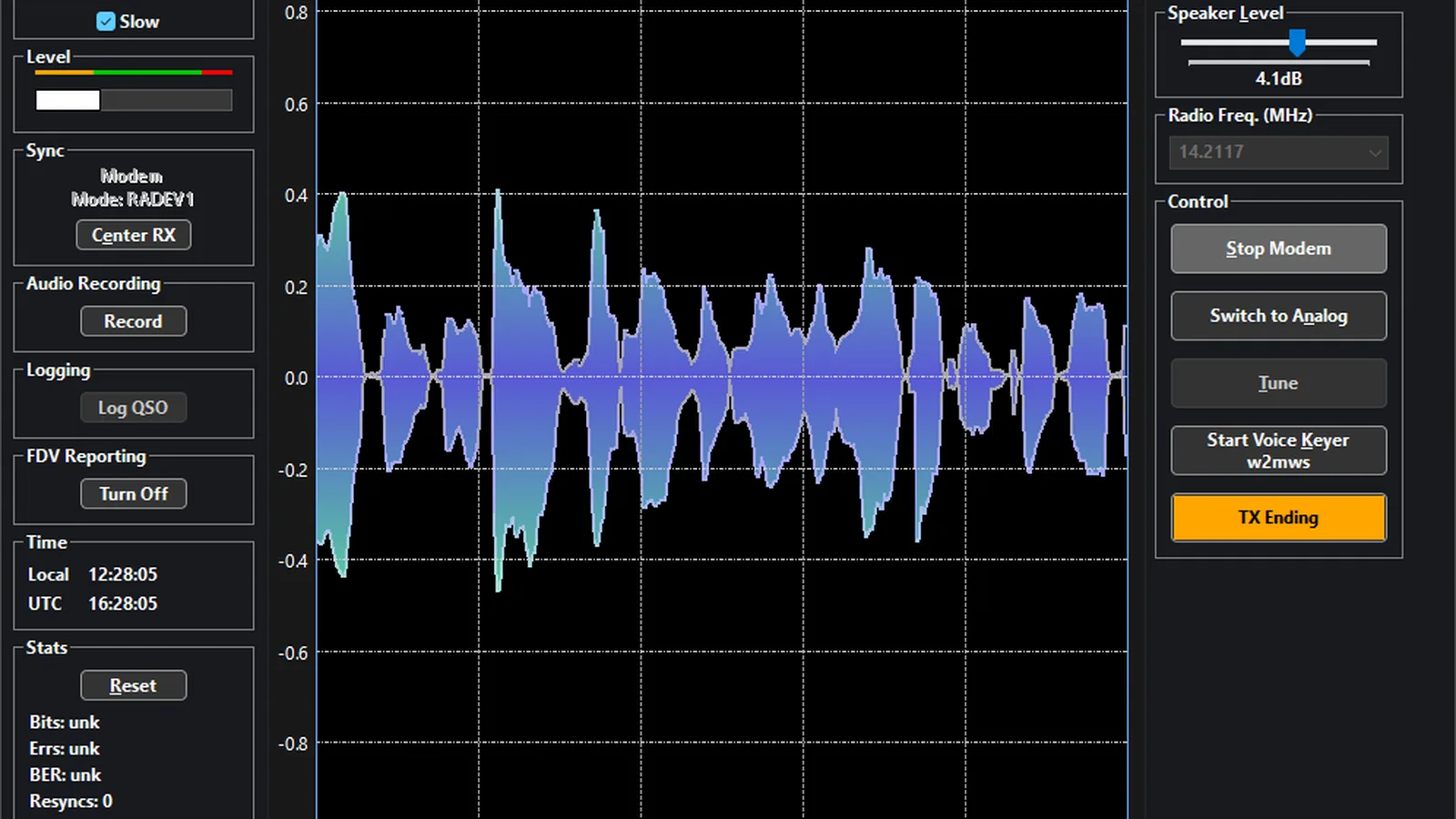
A month ago this site covered Mark W2MWS and his personal FreeDV fork at Release 14, with local Whisper transcription, a callsign watchlist, and snap windows. Since then the project has shipped four stable releases and seven experimental RADEV2 builds, including an 8 kHz microphone fix for Bluetooth headsets, audio thread reliability work across all three operating systems, a black waterfall fix for weak signals, and a client that runs RADEV1 and RADEV2 side by side with a separate Reporter for each. If Release 14 was the interesting experiment, Release 18 is the daily driver and RADEV2.7 is the preview of where FreeDV itself is heading.
This post picks up where the first W2MWS guide left off: what changed in Releases 15 through 18, what the RADEV2 experimental track is, which build you should run, and how to install or upgrade on Windows, Linux, and macOS.
TL;DR: FreeDV W2MWS Release 18 (November 12, 2026) merges the latest upstream FreeDV 3.0 work with audio reliability fixes, cleaner transmit shutdown, a weak signal waterfall fix, and five installers covering Windows x86-64 and ARM64, Linux AppImages, and macOS. The parallel RADEV2.7 experimental build runs RADEV1 and RADEV2 in one client with per mode Reporter servers. Run Release 18 for daily operation, try RADEV2.7 only if you want to test the next generation modem and report results.
What FreeDV W2MWS Is, in One Paragraph
FreeDV W2MWS is Mark W2MWS and his personal development fork of the FreeDV GUI digital voice application for HF radio, tracking upstream FreeDV 3.0 while adding local decoded speech transcription, a callsign watchlist, themes, snap windows, and now dual RADE modem support. It stays interoperable on the air because the modem and protocol remain upstream FreeDV, and it is explicitly not an official release: official software, docs, and support live at freedv.org. Source, issues, and downloads live at msteele999/freedv-gui on GitHub, discussion runs on the FreeDV W2MWS Groups.io community, and the full backstory with screenshots sits in the first guide linked above.
Stable Track: What Releases 15 to 18 Changed
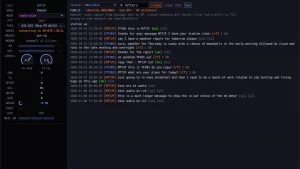
Release 14 was the baseline from October. Every release since merges newer upstream FreeDV 3.0 development while keeping the W2MWS extras intact: decoded speech with Whisper and Silero voice activity detection, the snapping transcript window, light dark and system themes, and notebook plus independent workspaces.
Release 15 from November 1 focused on Reporter behavior and audio validation: fixed unintended station selection when the Reporter window takes focus, better Reporter table handling, rejection of sample rates below 8 kHz, warnings instead of failures for 8 to 16 kHz analog audio, and throttled repeat warnings so a session stays quiet.
Release 16 from November 3 was a sync release: latest upstream branch, translation updates, preserved transcription and interface work, and continued RADEV1 compatibility, with three platform CI workflows green.
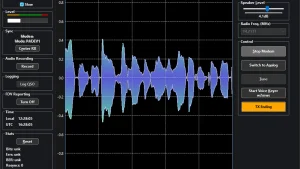
Release 17 from November 6 brought the headline fix for headset users: RADE transmission now fills in missing high frequency audio when driven by narrowband 8 kHz microphones, including some Bluetooth headsets, via upstream FreeDV PR 1614. It added thread safety for shared config, audio devices, rig controllers, and modem state, more reliable startup and shutdown, OmniRig connection sync, expanded concurrency tests, and community links in the readme. Five installers shipped: Windows x86-64 and ARM64, Linux x86-64 and ARM64 AppImages, and macOS DMG.
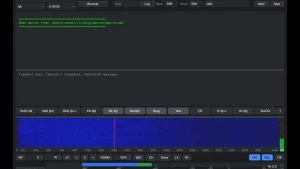
Release 18 from November 12, the current stable, targets audio reliability head on: upstream fixes for audio thread race conditions, deadlocks, and shutdown sequencing, macOS device notification and cleanup handling, reduced Windows audio busy waiting, and PulseAudio device updates on Linux. Transmit termination is cleaner, queued recording playback picks the right file, and the waterfall no longer blacks out under weak signal conditions. Swedish, Latvian, and Brazilian Portuguese translations arrived with upstream manual updates, and all three platform CI workflows passed.
Experimental Track: RADEV2.1 to RADEV2.7
Alongside stable sits the RADEV2 line, where the next generation RADE modem is integrated. Seven builds from October 30 to November 12 moved fast: the first build proved RADEV2 transmit and receive startup with RADEV1 verified working beside it, later builds added PI timing loop improvements for over the air tests, merged each stable baseline in turn, and fixed thread safety and rig control along the way.
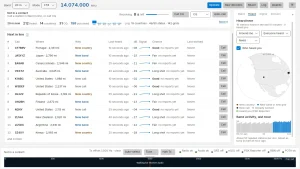
RADEV2.7 is the state of the art and worth understanding even if you never install it. One client now offers selectable RADEV1 and RADEV2 operation with independent per mode Reporter configuration that follows the selected mode: RADEV1 reports to qso.freedv.org while RADEV2 reports to reporter-radev2.k6aq.net, and the Reporter view clears the old server data on switch so the two networks never mix on screen. Transcription, themes, workspaces, and saved window geometry carry over from Release 18.
The honest caveats come straight from the release notes. RADEV2 remains experimental with possible regressions, presence of controls doesn’t guarantee every path works, the macOS build is unsigned with failing lint jobs and no physical Mac validation, and the Linux AppImage built on Ubuntu 26.04 has only passed a startup test under WSL. Use stable for regular contacts and treat RADEV2 as a test rig with feedback as the deliverable.
Which Build Should You Run
| Build | Who it is for | What you get |
|---|---|---|
| Release 18 stable | Daily operators, nets, ragchews | Audio reliability fixes, transcription, watchlist, themes, five installers |
| Release 17 stable | Anyone who missed an update | Same family, plus the 8 kHz microphone fix if Bluetooth audio matters |
| RADEV2.7 experimental | Testers feeding the modem developers | Dual RADE modes, split reporters, newest code, newest bugs |
| Official FreeDV | Clubs needing standard builds and docs | Upstream releases without fork extras |
If you only do one thing, install Release 18 and join the Groups.io list so the next RADEV2 call for over the air testers reaches you.
Installing and Upgrading
Stable Release 18 ships installers for Windows x86-64 and ARM64, Linux x86-64 and ARM64 AppImages, and a macOS universal DMG. Windows builds are unsigned, so after verifying the download came from the msteele999 repository, accept SmartScreen with More info then Run anyway. Linux users make the AppImage executable and launch it directly. MacOS users open the DMG, and on first launch authorize the unsigned app in Privacy and Security settings.
Experimental RADEV2 builds are portable Windows zips for most of the line, with RADEV2.7 adding Linux AppImage and macOS DMG: extract the whole archive, keep the DLLs and models directory beside the executable, and run it from its folder so it installs separately from stable. When reporting anything, include operating system, selected RADE mode, steps to reproduce, and logs.
Why This Fork Matters to the Hobby
Upstream FreeDV moves carefully because it must. The W2MWS fork moves fast because it can, and the traffic flows both ways: generally useful fixes are candidates for contribution back, while the experimental branch gives modem developers real world RADEV2 airtime months before any official release would. For operators the payoff is concrete: a Bluetooth headset that used to cripple RADE transmit now works, a weak signal waterfall stays readable, and transcription keeps a noisy shack or a hearing impaired op in the conversation. That’s the open source model functioning as designed, and it deserves testers.
Sources and Further Reading
- W2MWS fork on GitHub
- Release 18 notes
- RADEV2.7 experimental notes
- Release 17 notes
- Release 16 notes
- Release 15 notes
- Latest stable download
- FreeDV W2MWS discussion group
- Official FreeDV project
- Official FreeDV GUI repository
- FreeDV Reporter
- First W2MWS guide on HamRadio.my
73 de 9M2PJU.

Post Comment