How Unraid Works: The Flexible OS for NAS, VMs, and Docker at Home

Unraid is a powerful, Linux-based operating system that lets you build your own custom Network Attached Storage (NAS), Virtual Machine Host, and Docker Application Server-all in one box.
Unlike traditional RAID or hypervisor setups, Unraid focuses on simplicity, flexibility, and modularity, making it a favorite among home lab enthusiasts, media hoarders, self-hosters, and even small businesses.
So how does Unraid work under the hood?
1. Unraid Is Not “RAID”-It’s Better for Mixed Drives
Despite its name, Unraid doesn’t use traditional RAID (like RAID 5 or 6). Instead, it uses a unique hybrid model based on:
- Individual disk volumes (each formatted with XFS or Btrfs)
- One or two parity disks for recovery
- No striping or data distribution
This means:
- You can mix and match any size drives.
- You can pull a disk and access its contents directly.
- Only the parity disk(s) must be equal to or larger than the largest data disk.
- Drives spin up only when accessed-saving energy.
Example:
If you have 4 drives:
- 3× data disks (e.g., 4TB, 6TB, 10TB)
- 1× parity disk (10TB)
Your array has 20TB usable storage with fault tolerance for 1 disk failure.
2. The Array and Parity System
Unraid manages storage using an Array:
- Each disk is formatted independently (no block-level striping).
- The parity disk stores checksums to allow for single-disk recovery.
- You can add or remove disks without reformatting the entire array.
There’s also a cache pool (usually SSDs) to:
- Speed up writes (files are written to cache first, then moved to the array later)
- Run virtual machines or Docker containers with high IOPS
- Minimize spin-up delays on HDDs
3. User Shares: Logical Storage Abstraction
Unraid lets you create User Shares, which are folders that span across multiple physical disks.
For example:
/mnt/user/mediamight pull data fromdisk1,disk3, anddisk5- You can configure how files are distributed: most-free, high-water, fill-up
- Exclude/include specific disks per share
This gives the appearance of a single large folder while keeping physical separation intact.
4. Docker Container Management
Unraid includes built-in Docker support with a GUI to:
- Pull images from Docker Hub or custom registries
- Define volumes and port mappings
- Automatically update containers
- Use templates from the Community Applications plugin
Docker runs atop a Btrfs-formatted cache pool, so containers benefit from fast SSD speeds.
Popular self-hosted apps include:
- Plex, Jellyfin
- Nextcloud
- Pi-hole
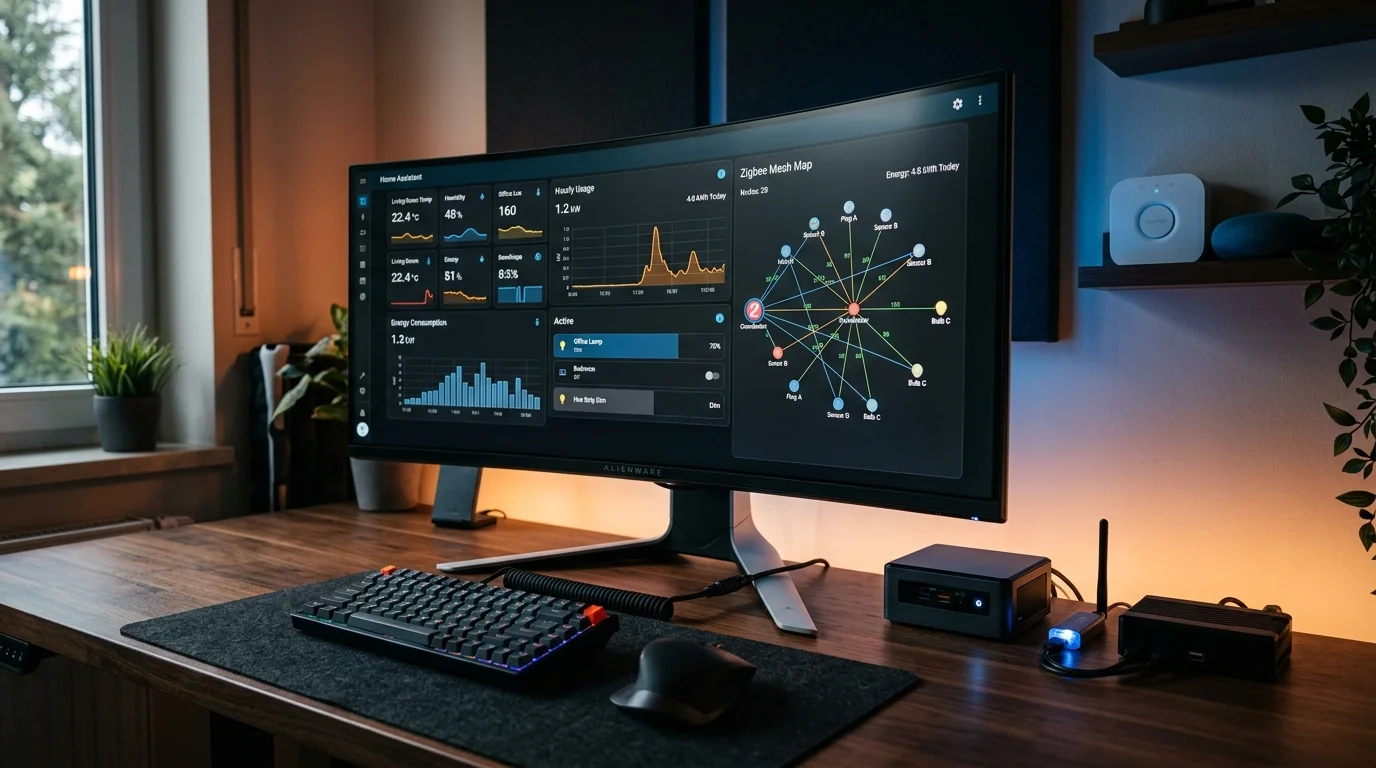
- Home Assistant
- Nginx Proxy Manager
5. Virtual Machines (VMs)
Unraid includes a built-in KVM hypervisor, allowing you to run full operating systems like:
- Windows 10/11
- Ubuntu
- macOS (with tweaks)
- Other Linux distros
Features:
- Web-based VM manager
- Passthrough support for GPUs, USB controllers, NICs (via IOMMU/VT-d)
- Virtual disk and ISO management
- VNC remote access
With proper hardware, you can even game on a VM using GPU passthrough.
6. Flash Boot, License, and Security
- Boots from USB (persistent license key tied to the USB drive)
- Runs in RAM after booting, keeping system fast and stateless
- GUI accessible via web browser on port
80 - Plugins available for additional monitoring, security, or customization
Licensing tiers are based on the number of attached storage devices:
- Basic: up to 6 devices
- Plus: up to 12 devices
- Pro: unlimited devices
7. Recovery, Snapshots, and Parity Limitations
- You can recover data from individual disks even outside of Unraid, since they use standard filesystems.
- Unraid doesn’t support bitrot protection or multiple-disk failures unless you configure a second parity disk.
- No ZFS support out-of-the-box, but Btrfs cache pools do allow snapshots and checksumming.
Why Unraid?
- Easier than FreeNAS/TrueNAS
- No storage rebalancing or reformatting required
- Efficient for mixed disks
- Great for self-hosted apps
- Flexible VM support
- Extremely beginner-friendly web UI
Final Thoughts
Unraid strikes a balance between simplicity and power. It’s ideal for users who want a robust home server with storage, Docker, and VMs-all manageable through a friendly web interface.
Whether you’re running a media server, building a homelab, or hosting production apps on a budget, Unraid gives you control, flexibility, and peace of mind.






Post Comment