General Interest
Survival
Technology
9M2PJU, ARPANET, canned food Appert, cargo pants, dual use technology, duct tape history, GPS history, microwave oven Radarange, military products civilians use, military surplus, MRE, night vision, paracord 550, preparedness, Ray-Ban aviator, spin off technology, T-shirt history, weather radar, Willys Jeep
9M2PJU
0 Comments
From Battlefield to Backyard: 12 Military Products Civilians Use Every Day
TL;DR: Your house is full of veterans. GPS, the internet, the microwave oven, the Jeep, duct tape, aviator sunglasses, the T-shirt, cargo pants, paracord, canned food, night vision and weather radar all started in uniform. Twelve products inside with the history, the engineering reason each crossed over, and surplus buying tips.
What Military to Civilian Adoption Means
Military to civilian adoption means a product developed for war finds a second life on the high street, a transfer economists call spin off and soldiers call Tuesday, because the surplus store has sold this stuff for a century.
Look around your house and count the veterans. The phone that navigated you here listens to atomic clocks on satellites the US Air Force flies. The page you're reading traveled a network built to survive nuclear war. The lunch you reheated used a magnetron descended from radar sets that spotted bombers. Your sunglasses, your T-shirt, your cargo pants, the tape in your drawer and the cord on your backpack all did military service first. This article covers twelve of them in depth, with the history, the engineering reason each one crossed over, and what to look for when you buy the surplus or civilian version.
Why Armies Invent Things Shoppers Love
Three mechanisms turn war budgets into household goods.
Requirements without compromise. A military buyer writes requirements civilians never would, works after total immersion, survives a parachute drop, feeds an army without refrigeration. Meeting those extremes usually means inventing a new material, a new process or a new device. Once invented, the cost falls and the civilian version follows.
Scale that collapses prices. The US military bought GPS receivers by the hundred thousand, paracord by the million feet, duct tape by the train car. That volume pays for the factories, the tooling and the learning curve. Civilian buyers then inherit mature supply chains at commodity prices.
Surplus that seeds markets. Every war ends with warehouses of gear sold for cents. Jeep created the civilian 4×4 market from surplus Willys trucks. Night vision companies, tactical clothing brands and the entire paracord bracelet industry grew the same way, from cheap ex military stock that taught civilians what the gear could do.
The honest caveat runs through every section below. Military grade often means built to a price for a narrow job, not built to last forever. Surplus varies from unissued treasure to worn out junk. Buy with the checklist at the end, not with romance.
1. GPS: From Missile Guidance to Every Pocket
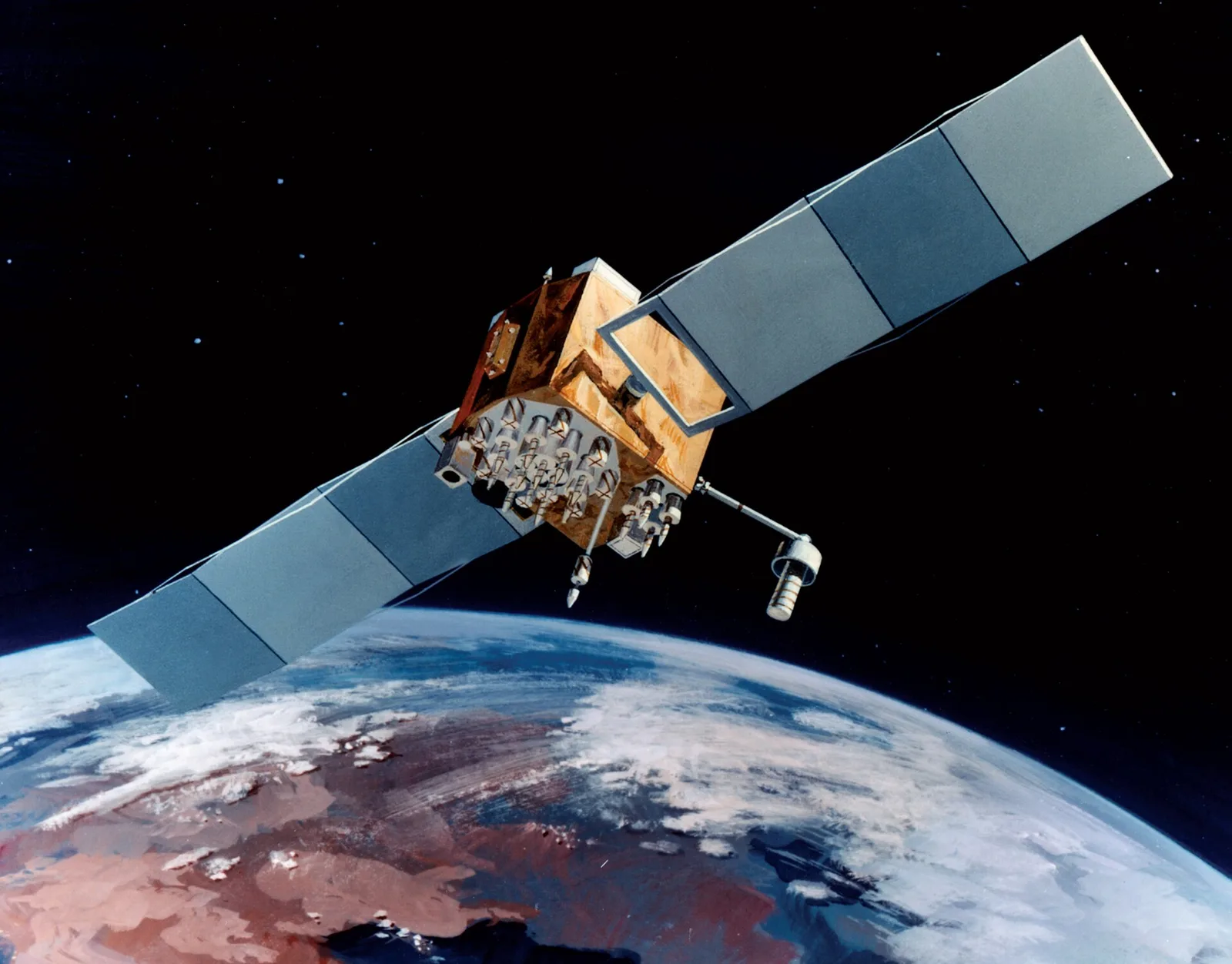
The Global Positioning System is the largest military gift to civilian life ever given, and it was given almost by accident.
The US Navy built Transit in the 1960s so submarines could fix their position from satellite Doppler shifts. The Air Force and the Pentagon merged the rival programs into NAVSTAR GPS in 1973, launching the first satellite in 1978 and declaring full operation in 1995. The design goal was guiding weapons and troops, with a deliberately degraded civilian signal called Selective Availability that capped public accuracy around 100 meters.
Two decisions changed the world. Ronald Reagan ordered the system opened to civilian airliners after Korean Air Lines Flight 007 was shot down in 1983 for straying off course. Bill Clinton switched Selective Availability off in 2000, and overnight civilian accuracy jumped from 100 meters to about 5. Phone makers then shrank receivers to chips costing a few dollars. Today more than 30 GPS satellites plus Russian, European and Chinese constellations serve around 6 billion receivers, in phones, cars, tractors, wristwatches and the timing circuits of power grids and cell towers.
Key facts that explain the crossover:
- Atomic clocks on each satellite, stable to nanoseconds, which is why your bank timestamp and your map share one clock
- L1 civilian signal at 1575.42 MHz, free worldwide, no subscription, no account
- Assisted GPS, where cell towers feed orbital data so a cold phone locks in seconds instead of minutes
- Disciplined oscillators, where a 20 dollar GPS module steers a ham shack frequency standard to atomic accuracy
Buying tip: any modern phone is a GPS receiver. But a dedicated Bluetooth GPS puck plus offline maps survives dead zones and dead phone batteries. For shack frequency discipline, a surplus timing GPS module beats a free running oscillator at any price.
2. The Internet: A Network Built to Survive Nuclear War
The network carrying this article began as ARPANET, funded by the Pentagon Advanced Research Projects Agency and switched on in 1969 with four university nodes. The goal was resource sharing between research computers, hardened by packet switching so messages could route around destroyed links.
The military fingerprints run deep. TCP/IP, the language of the net, came from DARPA funded work by Vint Cerf and Bob Kahn. Email headers, domain names and the first spam filters all grew in defence funded labs. The .mil domain still sits beside .com in the root. When the National Science Foundation lifted the commercial ban in the early 1990s, the same protocols carried web shops instead of research files, and the rest is the economy you live in.
What civilians inherited without noticing:
- Packet switching, which makes a video call survive a severed cable by rerouting mid sentence
- End to end encryption concepts from military COMSEC, now the padlock on every bank login
- GPS time sync from section 1 above, which stamps every trade, log and certificate
- The culture of open standards, because the Pentagon demanded vendors interoperate
Buying tip: none needed, you already own it. But run your home net like the designers intended, with more than one path. A phone hotspot backing up fixed broadband is packet switching thinking applied to bills.
3. The Microwave Oven: Melted Chocolate Near a Radar Set
In 1945 Raytheon engineer Percy Spencer stood near an active magnetron during radar testing and felt the chocolate bar in his pocket melt. Where others saw a ruined snack, Spencer saw a heating method. He aimed the tube at popcorn, then at an egg that exploded in a colleague face, and filed the patents for microwave cooking.
The first commercial Radarange of 1947 stood 1.8 meters tall, weighed 340 kilograms, cost about 5,000 dollars and needed water cooling. It heated meals in ship galleys and railway canteens. Two decades of magnetron cost cutting, driven by defence radar volume, shrank it to the countertop box of the late 1960s, and the 1,000 watt home oven became the fastest adopted appliance in history.
Why it crossed over so completely:
- Magnetrons were already mass produced for radar, so the expensive part kept getting cheaper
- Speed fit postwar life, since reheating in minutes matched women entering the workforce and frozen food going mainstream
- Safety engineering, the interlocked door and Faraday cage, made megawatts of RF boring to regulators
Buying tip: the same Faraday cage principle shields your shack. A dead microwave with the cord cut makes an excellent RF tight box for storing spare handhelds against lightning induced surges, and the turntable motor runs many slow antenna projects.
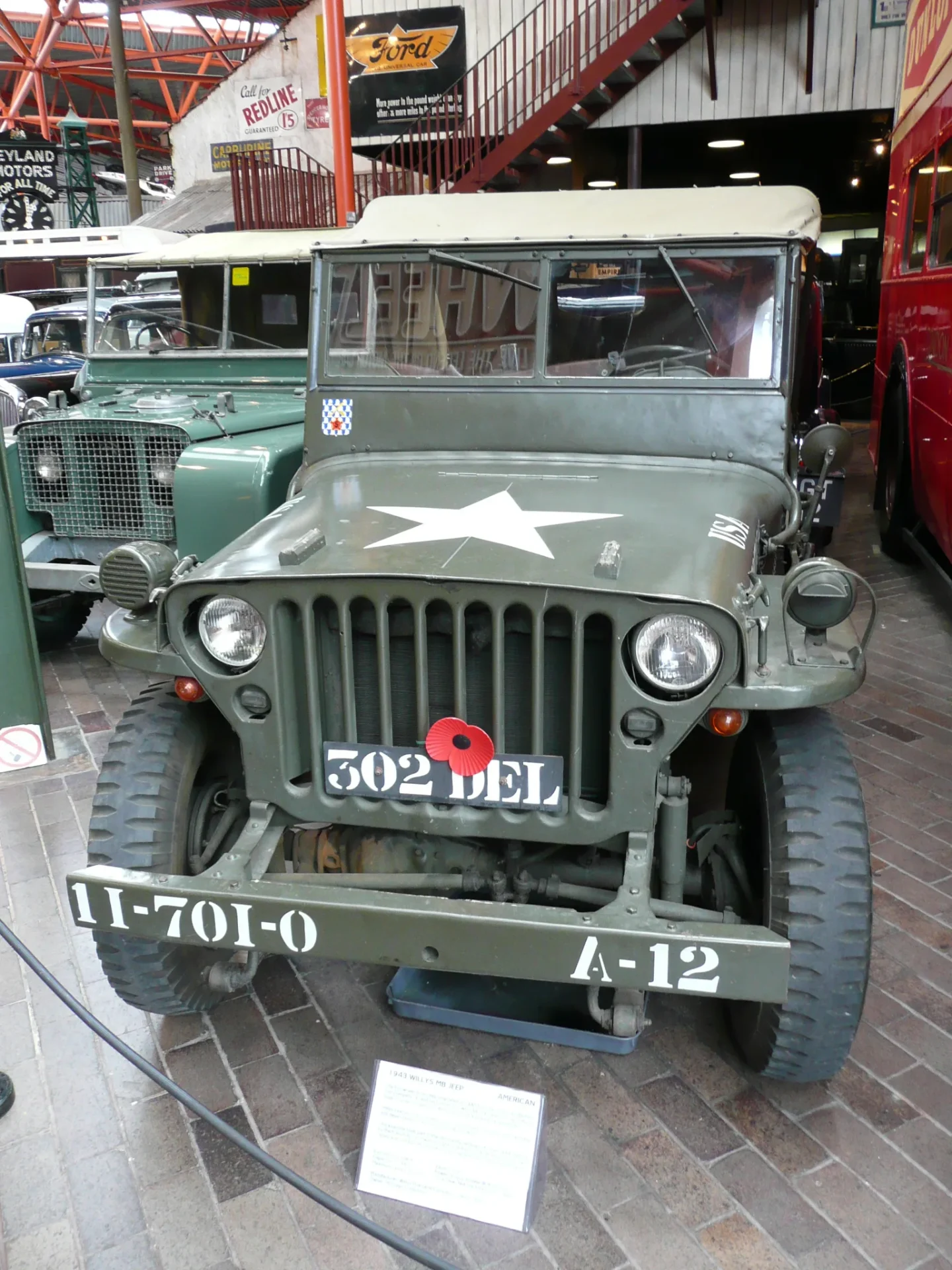
4. The Jeep: A Quarter Ton Truck That Invented the SUV
In 1940 the US Army asked for a quarter ton 4×4 reconnaissance truck, and Willys Overland plus Ford delivered the Willys MB and Ford GPW. About 640,000 rolled out, serving on every front as gun platforms, ambulances, rail tugs and generals runabouts. General Eisenhower called it one of the three tools that won the war, beside the Dakota and the landing craft.
Willys saw the peace coming and trademarked the shape, launching the CJ-2A Civilian Jeep in 1945, the first mass produced civilian 4×4. Farmers, surveyors, foresters and hunters bought the same ladder frame, live axles and flathead engine the Army trusted. Land Rover copied the formula in Britain in 1948, Toyota followed with the Land Cruiser, and the SUV segment that now dominates world car sales descends directly from that quarter ton requirement.
Engineering traits that survived into your driveway:
- Short wheelbase and flat panels, easy to repair with hand tools and a welder
- Part time 4×4 with low range, still the layout of every serious off roader
- PTO and flat fenders that doubled as workbenches, a tradition ending in modern tailgate tables
Buying tip: surplus Jeeps are mostly gone, but the buying logic holds for any ex military 4×4. Check for straight frames, parts commonality with civilian models, and service history. A truck every village mechanic knows beats an exotic import every time.
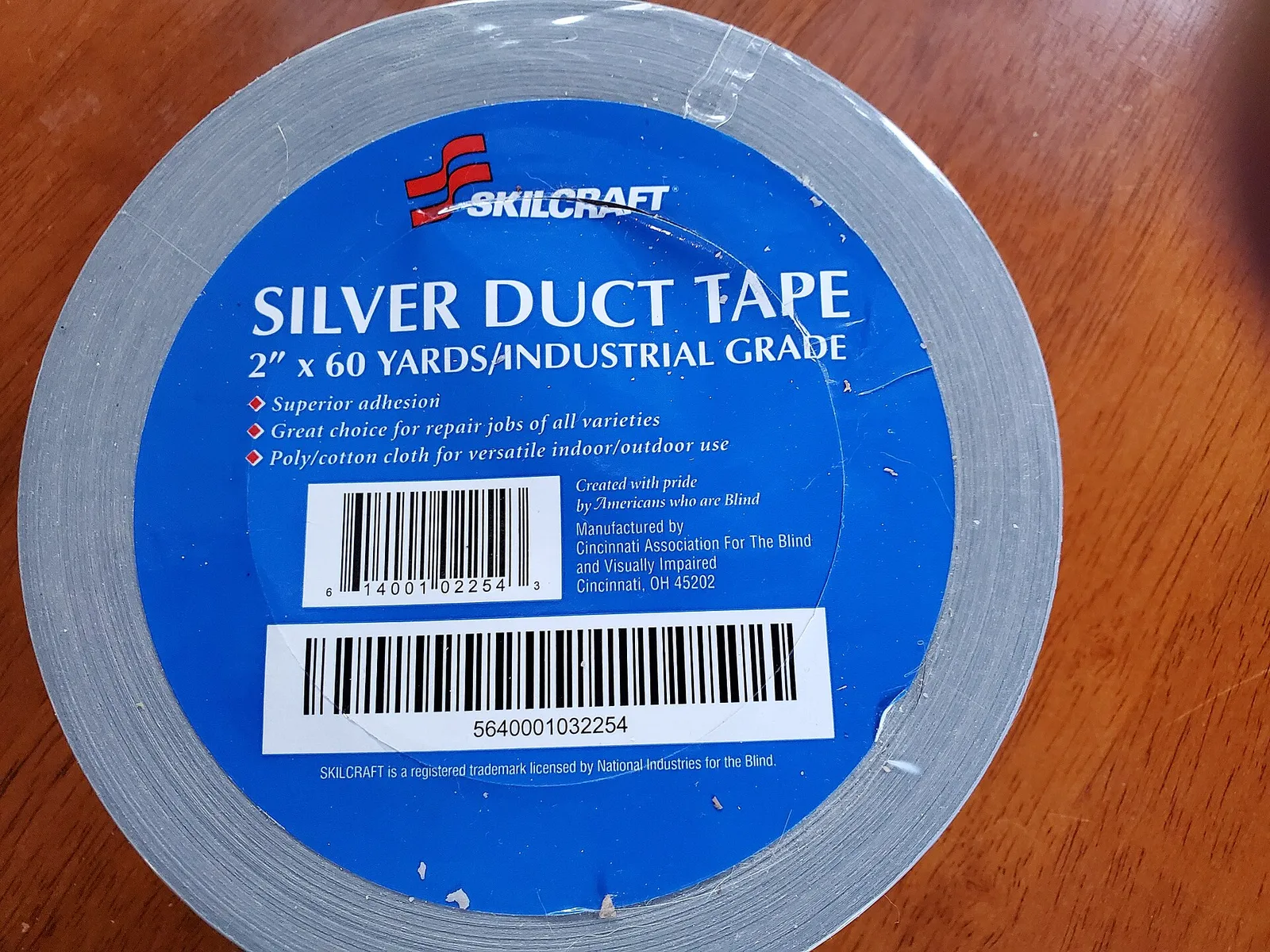
5. Duct Tape: Sealing Ammo Cans, Fixing Everything Else
In 1943 Vesta Stoudt, an ordnance plant worker with two sons in the Navy, noticed ammo boxes sealed with paper tape and wax failed in damp Pacific warehouses. She wrote to President Roosevelt proposing a waterproof cloth tape, the Army tested it, and Johnson and Johnson division Permacel shipped olive drab tape that sealed cases, repaired tents, fixed boots and silenced rattling gear.
Soldiers called it hundred mile an hour tape and brought the habit home. The civilian silver version arrived as heating duct sealing, which gave the name, and the uses exploded from stagecraft to spaceflight. Apollo 17 astronauts taped a fender extension from lunar maps with it, the most famous field repair ever made.
What makes it a military product at heart:
- Cloth reinforced polyethylene, strong enough to lash, flexible enough to wrap
- Aggressive adhesive that bonds dirty metal, canvas and skin in rain
- Tears by hand along the weave, so no tools needed in the dark
Buying tip: buy named brand tape with listed thickness, not thin bargain rolls that shred. Olive drab or black looks better on radio gear and avoids the shiny silver giveaway at field sites. Store rolls sealed, since the adhesive dries with age.
6. Aviator Sunglasses: Goggles for Bomber Pilots
High altitude bomber crews in the 1930s suffered headaches and nausea from blue sky glare above the clouds. The US Army Air Corps asked Bausch and Lomb for protection, and in 1936 the Ray-Ban Aviator shipped with green G-15 lenses that cut visible light while preserving instrument readability, in a thin gold frame light enough for oxygen masks.
General MacArthur wore his on the cover of every newspaper, and returning airmen kept wearing theirs with civilian clothes. The teardrop shape that covered a pilot peripheral vision became the default cool of the next eighty years, from Hunter S Thompson to every highway patrol film. The Wayfarer, the Clubmaster and half the sunglass wall trace back to that one contract.
Buying tip: real G-15 style green glass lenses still offer the best contrast for driving and flying. For radio field work, brown gradient lenses read LCD screens better than flat grey.
7. The T-Shirt: A Navy Undershirt That Conquered the World
The US Navy issued the first crew neck short sleeve undershirts in 1913, plain white cotton worn under jumpers in engine rooms and tropics. Cheap, washable and cool, it spread through the Army in World War I and came home on millions of backs.
Hollywood finished the job. Brando in A Streetcar Named Desire and Dean in Rebel Without a Cause wore the undershirt as the shirt, and the blank cotton chest became the cheapest billboard ever sold, for bands, causes, companies and callsigns. Your club shirt with the repeater frequency is the direct descendant of a Navy skivvy.
Buying tip: for field events, heavyweight cotton or cotton poly blends survive tower work that thin fashion shirts don't. Print the event, the date and the talk in frequency, and the shirt becomes a QSL card people wear.
8. Cargo Pants, Field Jackets and Trench Coats: Uniforms on the High Street
Three garments marched off base and never went back.
The trench coat came first. Thomas Burberry waterproof gabardine officer coats of World War I, with epaulettes, D rings for grenades and storm flaps, returned as civilian rainwear and never left film noir. The M-65 field jacket of 1965, with its hood in the collar and brass zips, went from Vietnam to protest marches to fashion week. Cargo pants, with bellows pockets sized for maps and magazines, went from paratroopers to schoolyards to every maker workbench.
Why military clothing colonizes wardrobes:
- Pockets sized for real objects, not decoration, which civilians discover the first time they carry tools
- Fabrics specified for abrasion and washing, not showroom drape
- Cuts that layer, since soldiers dress for weather that changes by the hour
Buying tip: genuine surplus field jackets and cargo trousers cost less than fashion copies and last longer. Check seams, zips and elastic before buying, and size for layers rather than the mirror.
9. Paracord 550: Parachute Lines for Everyday Survival
Type III parachute cord, rated 550 pounds, held American paratroopers under silk canopies from World War II onward. Riggers and troopers quickly found the seven inner yarns plus outer sheath repaired boot laces, guyed shelters, lashed litters and fished tripwires. It came home in kit bags and entered the civilian world through surplus bins and survival manuals.
Today it lashes antennas, hangs food bags, sews field repairs and weaves the survival bracelets sold at every hamfest. The spec matters, because the name gets abused. Real 550 cord has seven twisted inner strands, a 32 strand woven sheath, and genuine Mil-C-5040 or commercial equivalent marking. Much of what craft stores sell is single strand filler that fails at half the rating.
Ham uses worth learning:
- Doublet and dipole guys that survive storms without stretching like nylon rope
- Lanyards and pull cords sized to the exact load table, not guesswork
- Field splicing and whipping, since the inner yarns sew and the sheath chafes through first by design
Buying tip: buy from cordage dealers who publish break tests, avoid unmarked craft cord for anything overhead, and learn three knots, bowline, taut line hitch and prusik, before buying a fourth color.
10. Canned Food: Napoleon Prize That Fed the World
In 1795 the French Directory offered 12,000 francs for a way to preserve food for armies on the march. Nicolas Appert, a Paris confectioner, won it in 1809 by sealing food in glass jars and boiling them, and the Royal Navy adopted tin canisters within a few years. Canned rations fed every army of the next two centuries and every pantry beside them.
The military kept pushing the science. World War II drove volume and quality control, Vietnam produced the first retort pouch experiments, and the 1981 Meal Ready to Eat program perfected the full menu in a bag with flameless heater. Civilian campers, preppers and disaster agencies eat the direct results, from Mountain House pouches to tuna sachets to the retort curry on Malaysian shelves.
Buying tip: rotate stock like a quartermaster. First in first out, date every box in marker, and store what you actually eat so rotation happens by appetite rather than discipline.
11. Night Vision: Owning the Night, Then Selling It
The US Army fielded starlight scopes in Vietnam that amplified moonlight thousands of times, turning night patrols into daylight business. Each generation shrank the tubes, sharpened the image and cut the price, from truck mounted infrared searchlights to helmet goggles to weapon sights.
Surplus and declassified tubes seeded the civilian market. Hunters scan fields for hogs, boaters read unlit channels, security teams watch perimeters, and firefighters see through smoke with thermal cameras that descend from the same programs. Phone clip on thermal imagers now find wall leaks and sick cattle for a few hundred dollars, a capability that cost a division budget in 1970.
Limits worth respecting:
- Civilian tubes and digital sensors lag military issue by a generation or more in range and clarity
- Export controls follow the good stuff across borders, so check the law before traveling with it
- Light discipline still applies, since an IR illuminator shines like a torch to anyone else with goggles
Buying tip: for most civilians a thermal monocular beats a night vision goggle, since heat works in total darkness, fog and brush where amplification finds nothing. Try before buying, since eye relief and gain behavior vary wildly.
12. Weather Radar: Bombers Needed It, Farmers Watch It
The same cavity magnetron that heated Spencer chocolate gave radar the power to see through cloud. Wartime operators noticed weather echoes cluttering their scopes, and meteorologists realized the clutter was the product. By the 1950s the US Weather Bureau ran radar networks, and today Doppler arrays, TV graphics and phone rain alerts all descend from air defence chains.
Air traffic control is the twin sibling. Secondary surveillance radar, transponders and collision avoidance grew from identifying friend or foe systems, and every airliner you track on a phone app answers interrogations invented to sort bombers from fighters. Hams know the bands intimately, since weather radars share spectrum amateurs use, and the negotiation over those megahertz continues today.
Buying tip: learn to read raw reflectivity and velocity products rather than phone icons. The same skill that spots a gust front reads an HF greyline map, since both reward operators who look at data instead of summaries.
Military Versus Civilian at a Glance
| Product | Military origin | Civilian life today | What changed in transfer |
|---|---|---|---|
| GPS | NAVSTAR satellite navigation for weapons and troops | Phones, cars, watches, grid timing | Selective Availability off, chips shrunk to dollars |
| Internet | ARPANET packet switching for survivable command | The entire digital economy | Commercial ban lifted, web protocols layered on top |
| Microwave oven | Radar magnetron heating observed by Spencer | Countertop reheating everywhere | Cost cut from 5,000 dollars to under 100, interlocked doors |
| Jeep | Quarter ton 4×4 scout truck | Civilian 4×4 and SUV segment | Trademarked body, detuned for farm and family use |
| Duct tape | Waterproof ammo box sealer | Household and stagecraft repair | Silver colorway, retail packaging, thinner grades |
| Aviator sunglasses | High altitude glare protection for pilots | Global fashion staple | Fashion colors and plastics beside issue glass |
| T-shirt | Navy 1913 undershirt | Universal casual wear and billboard | Prints, cuts and fabrics multiplied endlessly |
| Cargo pants and field jackets | Paratroop pockets and officer rainwear | Workwear and fashion | Softer fabrics, slimmer cuts, fashion colors |
| Paracord 550 | Parachute suspension lines | Survival, craft and antenna guys | Colors and patterns, plus much counterfeit cord |
| Canned food and MRE | Napoleonic prize and retort pouch programs | Pantry, camping and prepper staple | Menus, heaters and packaging for civilian tastes |
| Night vision and thermal | Starlight scopes and IR viewers | Hunting, boating, security, firefighting | Older generations released, export controls kept |
| Weather and ATC radar | Air defence magnetron chains | Forecasts, flight tracking, phone apps | Data opened to broadcasters and app developers |
What Hams, Preppers and Makers Should Copy
The surplus store is a curriculum, not just a shop.
Buy the boring proven things first. Ammo cans seal go boxes better than anything at the camping store. Paracord guys antennas that survive monsoons. A steel mess kit outlives three nonstick sets. Wool blankets still warm when damp, which no space blanket does twice.
Learn the spec behind the name. Real 550 cord, real goretex equivalents, real M65 sizing, real frequency discipline. The surplus market rewards educated buyers and taxes romantics, since fakes wear the same colors.
Keep one military habit, redundancy. Two is one and one is none came from people who buried friends over single points of failure. A second handheld, a paper log beside the app, a Grande bar beside the MRE, all cheap insurance the original users would recognize.
Respect the law on restricted gear. Night vision tubes, body armor plates and some radio equipment carry export and ownership rules. Check Malaysian and destination country rules before buying, carrying or traveling, and keep receipts for anything controlled.
Sources and Further Reading
- Global Positioning System history: https://en.wikipedia.org/wiki/Global_Positioning_System
- ARPANET, the first packet switching network: https://en.wikipedia.org/wiki/ARPANET
- Microwave oven, from Radarange to countertop: https://en.wikipedia.org/wiki/Microwave_oven
- Willys MB, the original military Jeep: https://en.wikipedia.org/wiki/Willys_MB
- Duct tape, from ammo boxes to Apollo: https://en.wikipedia.org/wiki/Duct_tape
- Ray-Ban Aviator, contract eyewear for pilots: https://en.wikipedia.org/wiki/Ray-Ban
- T-shirt, from Navy undershirt to global staple: https://en.wikipedia.org/wiki/T-shirt
- Cargo pants, paratroop pockets to streetwear: https://en.wikipedia.org/wiki/Cargo_pants
- Parachute cord, the 550 pound utility line: https://en.wikipedia.org/wiki/Parachute_cord
- Canning, Appert prize that fed armies: https://en.wikipedia.org/wiki/Canning
- Meal Ready to Eat, the retort pouch program: https://en.wikipedia.org/wiki/Meal,_Ready-to-Eat
- Night vision device generations: https://en.wikipedia.org/wiki/Night-vision_device
- Weather radar, from wartime clutter to forecasts: https://en.wikipedia.org/wiki/Weather_radar
- Trench coat, officer rainwear to fashion icon: https://en.wikipedia.org/wiki/Trench_coat
73 de 9M2PJU


Post Comment