Missileer.watch: Live HFGCS EAM Monitor on 11175 kHz with KPH Audio, Crowd Corrected Copy and Doomsday Plane Alerts
TL;DR: Quick Summary
Missileer.watch is a free live monitor for USAF High Frequency Global Communications System traffic on 11175 kHz USB. Built by former Minuteman III crew member Daniel Frenkel of Valar Systems in Oregon, it streams real receiver audio from KPH at Point Reyes, California and a second site in Iceland, posts each Emergency Action Message within minutes with audio plus transcript, lets listeners confirm with I heard it too and fix the copy, tracks E-4B, E-6B, B-52H, WC-135 and B-2 aircraft on public ADS-B with email alerts, and releases all recordings and decodes as CC0 public domain. Mostly static, then a coded message read in phonetics. The net is quiet until it isn’t.
What Is Missileer.watch?
Missileer.watch is a public web monitor that streams and archives coded Emergency Action Messages from United States nuclear forces as broadcast in the clear on shortwave.
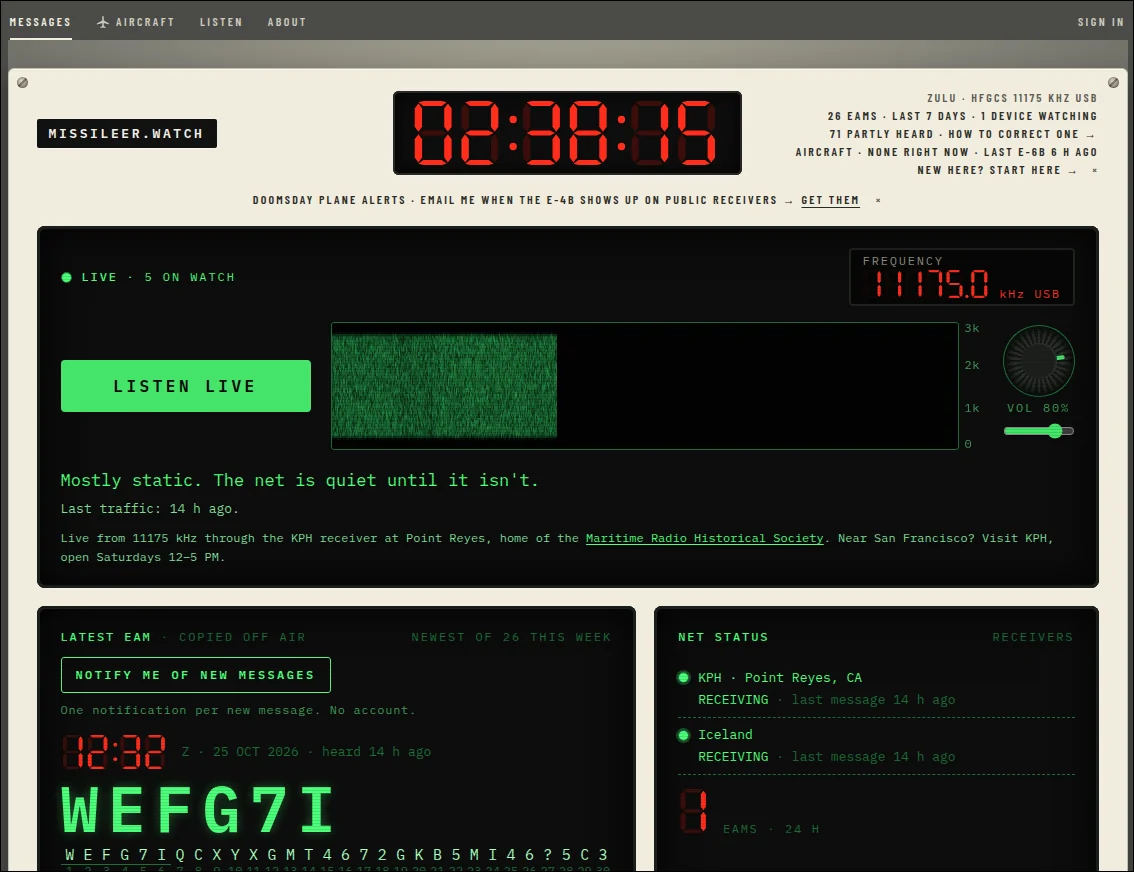
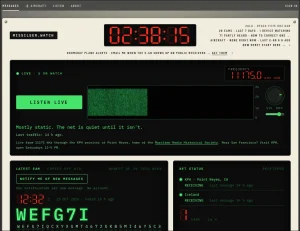
In practice it is one page with a Zulu clock, a LISTEN LIVE player with waterfall and volume, a LATEST EAM panel copied off air with playback and character grid, a NET STATUS panel naming each receiver and when it last heard traffic, an aircraft page for five watched types, and an archive where every message keeps its audio, transcript, correction count and link. No account is needed to read or listen. Signing in is optional for corrections, notifications and email alerts. Visits are counted with cookieless Cloudflare Web Analytics. The front page reads two public JSON files, archive.json and status.json, and the project states plainly that hearing is all anyone outside the force can do, because every message body is encrypted.
Who Built It and Why
Daniel Frenkel served as a missile combat crew member with the 321st Missile Squadron at F.E. Warren Air Force Base from 2012 to 2016, pulling 24 hour alerts in launch control centers 60 feet underground. He writes that he never heard an EAM read aloud until he became a civilian with a radio receiver.
Years later he learned the traffic he once handled in sealed rooms airs on public shortwave for anyone to hear. Through Valar Systems in Bend, Oregon he built missileer.watch to capture that traffic and explain what it means: the message format, the capsule procedure with two officers and two keys 12 feet apart plus a second capsule to corroborate, the Minuteman III force of 400 missiles across three bases, and why a busy aircraft map means nothing while a quiet one is normal. Contact is [email protected].
The Signal: HFGCS on 11175 kHz USB
The High Frequency Global Communications System is the USAF worldwide HF net that carries EAMs, Skyking, and air to ground traffic in upper sideband voice. The primary calling frequency is 11175 kHz USB, paired with 8992 kHz as the other 24 hour mainstay. Day backups include 13200 and 15016 kHz, night backups 4724 and 6739 kHz. Any shortwave receiver, KiwiSDR, or ham HF rig with general coverage can hear it with a wire antenna.
A typical EAM as heard on the site follows a fixed rhythm:
- Net call and standby
- Six character preamble read three times, for example WEFG7I
- Message follows, then the full string in phonetic alphabet
- I say again, then the repeat
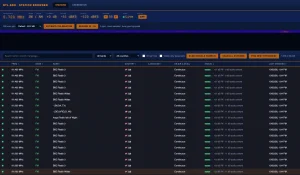
The screenshot in this article caught exactly that: LATEST EAM WEFG7I, copied 12:32Z on 25 Oct 2026, 45 characters on the grid, heard 14 hours earlier through KPH with 26 EAMs that week. Nobody outside the force can decode the content. The preamble is a label for matching repeats, not a secret to crack. That restraint is the whole design: a window into a system built on redundancy and authentication, not a doomsday clock.
Listening Live: KPH, Iceland and 5 on Watch
LISTEN LIVE plays the KPH receiver at Point Reyes, home of the Maritime Radio Historical Society, open Saturdays 12 to 5 PM near San Francisco, plus the Iceland path. The player shows LIVE with a listener count, frequency readout 11175.0 kHz USB, live waterfall from about 0 to 3 kHz audio, volume slider, and status lines like Mostly static and Last traffic 14 h ago. While it plays, the browser sends a fresh random number every 30 seconds so the site can show how many are listening, kept only in server memory and forgotten 75 seconds after you stop.
Two or more live listeners trigger a counter on the player. One notification per new message is available with no account through NOTIFY ME OF NEW MESSAGES, delivered by the browser push service. Volume, guide seen state and aircraft tips stay in your own browser.
For hams who want the RF directly: tune 11175 kHz USB on any HF rig, or open a public KiwiSDR near a quiet path, and compare what you hear with the site copy. Daytime favors higher bands, night favors lower ones, and geomagnetic storms can wipe the band flat.
Copying a Message: I Heard It Too and Correct This Copy
Every message invites active listening instead of passive scrolling:
- I heard it too: one tap while signed in, only the total per message is public, never who.
- Correct this copy: compare the machine transcription against the recording and fix characters. Other visitors see only how many listeners suggested corrections, never the text or a name. You see your own. Checks reject bad saves without storing what you typed.
- Practice player: a real broadcast from 22 Oct 2026 through Iceland and KPH receivers. Type or tap characters, no 0, 1, 8 or 9 allowed, mark unknowns with question mark, then check against the station copy.
- Daily summary: optional one email a day at 13:00 UTC on days with traffic, listing first six characters, heard time and link.
Corrections stay in the archive even if you delete your account, detached from anyone. Network fingerprints use keyed hashes of truncated addresses, deleted after 30 days, only to stop one person using many accounts.
Aircraft Page: Five Types, No False Drama
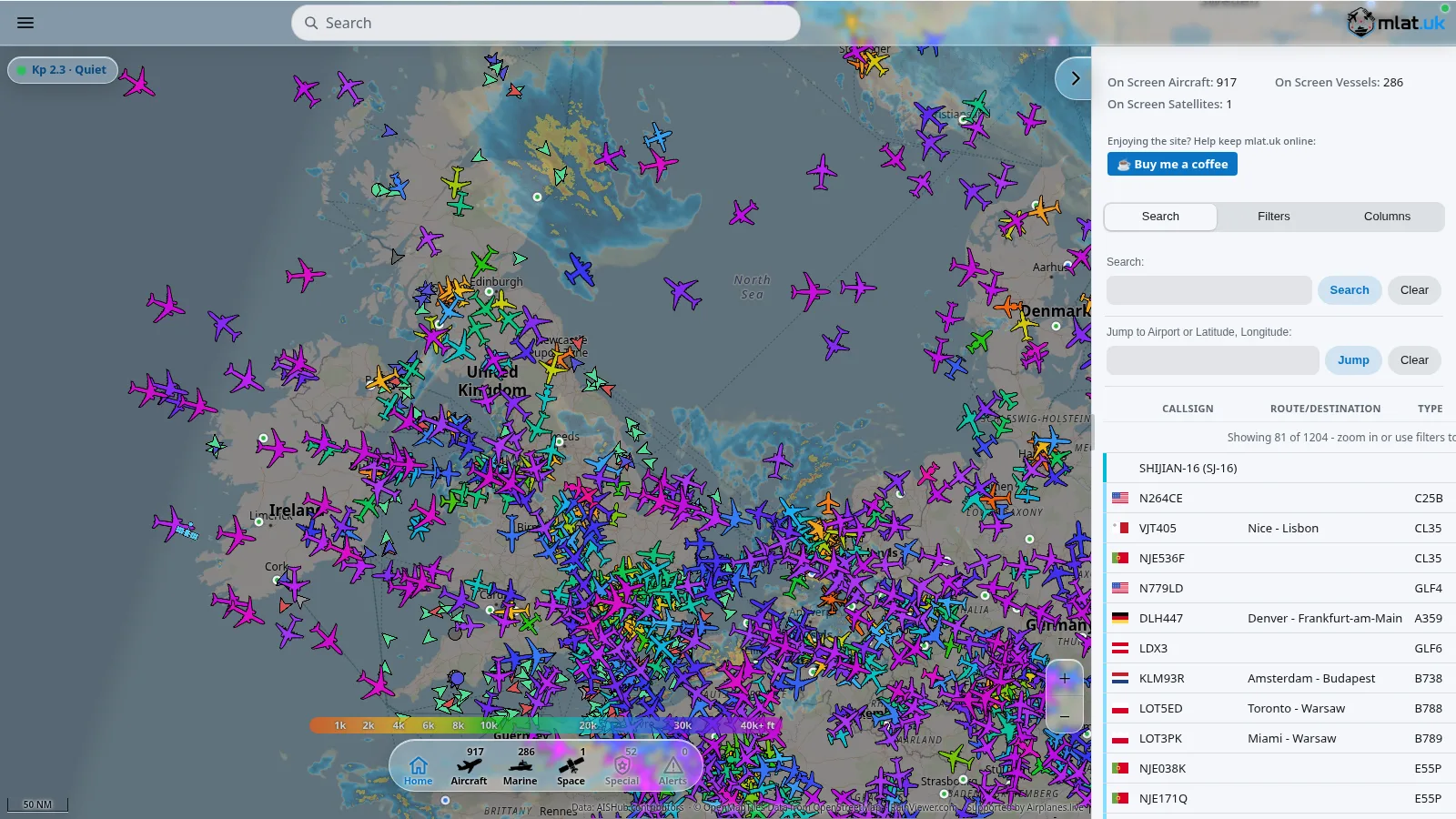
The companion page tracks five aircraft types on public ADS-B data: E-4B Nightwatch Doomsday plane, E-6B Mercury, B-52H Stratofortress, WC-135 Constant Phoenix and B-2 Spirit. A banner on the front page reads DOOMSDAY PLANE ALERTS, EMAIL ME WHEN THE E-4B SHOWS UP ON PUBLIC RECEIVERS, with GET THEM link.
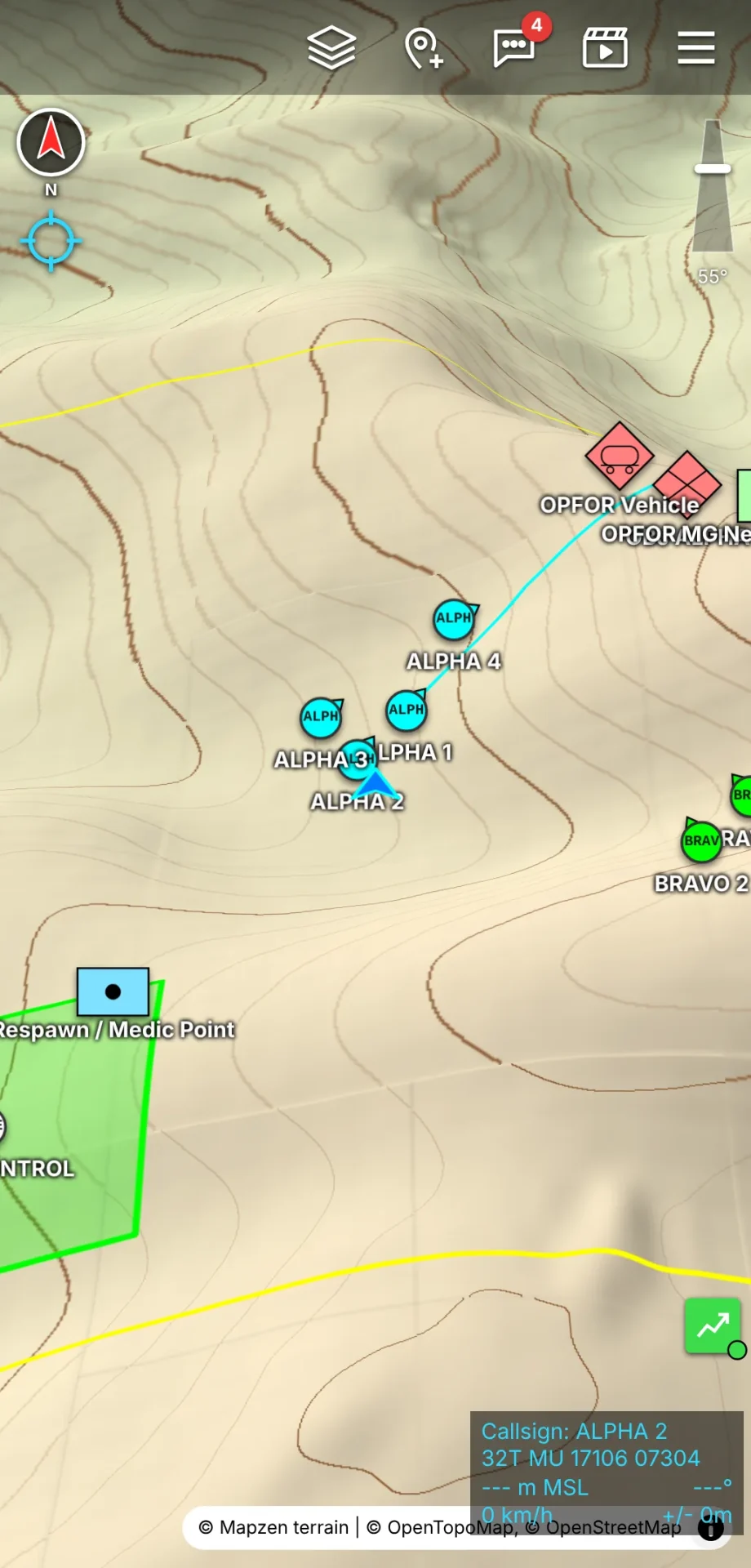
The site draws no line between a plane in the sky and a message on the air, and says so directly: a busy map means nothing, an empty map is normal, because the tracked types appear only when broadcasting ADS-B and often fly out of range or silent. Email rules enforce the same calm: one email per watched type after at least 6 hours with none seen, gaps during a flight send no repeat, max 10 per UTC day, each with type, region, time and map link. While watching a KLV equipped drone feed, the viewer also shows drone position, height, view cone, ground footprint and image center SPI, and forwards the drone to the TAK server so HQ sees it too.
Privacy, Accounts and Public Domain Audio
Reading and listening need no account. Signing in uses a one time email link valid 15 minutes plus a 6 digit code, or Continue with Google which shares only address, verified flag, account ID and Workspace domain. One server cookie keeps you signed in up to 60 days. Launch emails and daily summaries each need their own ticked box, with consent records and one click stop. Browser push subscriptions hold only the push address and keys, deleted on Turn off. Resend carries delivery, Render hosts server and database with 7 day backups, and email addresses never appear in public files or logs.
Recordings and decodes are released under CC0 1.0 public domain dedication, attribution appreciated to missileer.watch. The project asks visitors not to send anything not already public.
Comparison: Missileer.watch and Other Ways to Watch HFGCS
| Attribute | Missileer.watch | Raw KiwiSDR or WebSDR | eam.watch and loggers | War Watch Intel EAM pages |
|---|---|---|---|---|
| Live 11175 kHz audio in browser | Yes, KPH plus Iceland with waterfall and listener count | Yes, pick any receiver, no curation | Varies by contributor | Live OSINT pages with preamble grids and repeat matching |
| EAM transcripts with audio | Yes, per message with correction workflow and practice copy | No, you copy by ear | Yes, community logs with repeats | Yes, preamble plus body logs with repeat detection |
| Aircraft plus message context | Yes, five types with calm no link policy and email alerts | No | Limited | Yes, EAM plus HF comms tagging |
| History and learning material | Yes, capsule, force structure and copy guide on one site | No | Forum threads | Articles and galleries |
| Accounts and privacy | Optional sign in, push without account, CC0 audio | None, but no archive | Varies | Varies |
| Best for | Listener who wants audio plus verified copy plus alerts | Ham who wants raw RF and antenna tests | Logger chasing repeats | Analyst matching preambles across days |
The honest takeaway: use a KiwiSDR when you want to test propagation or antennas, use loggers when you chase repeats, and use missileer.watch when you want one maintained copy with audio, a fix button, and a teacher who sat the capsule chairs explaining why most traffic is routine.
Practical Guide for Radio Listeners
Hear it yourself in five minutes
- Open https://missileer.watch/ and press LISTEN LIVE. Note the Zulu clock and NET STATUS receivers.
- On your own rig tune 11175 kHz USB, or open a KiwiSDR in the western US after sunset in Asia. Compare fades with KPH.
- When traffic starts, copy the six character preamble first, then the body in blocks. Mark unsure characters instead of guessing.
- After the message, open LATEST EAM, play the site recording, and check your copy against its grid.
- Tap NOTIFY ME OF NEW MESSAGES in the browser if you want one ping per new message with no account.
Read the waterfall like an EAM hunter
Speech on 11175 USB occupies roughly 300 to 3000 Hz audio. Open the site waterfall full width, watch for the sudden bright block against static, check the frequency readout still says 11175.0 kHz USB, and note Zulu time at once. Log date, time, preamble, signal report and receiver. Routines like radio checks and Skyking tests sound different from full EAM reads once you have heard a few.
Station tips from the hobby side
A resonant wire for 80 through 10 m plus a quiet power supply beats a bigger antenna near noise. Turn off LED chargers and solar controllers before blaming the band. Record with any audio recorder so you can replay preambles. Never transmit on HFGCS frequencies. They are a military net, and listening is the whole hobby here.
Honest Limitations
- Mostly static is normal. Hours pass with no traffic. Last traffic 14 h ago in the screenshot is typical, not broken.
- Machine copy is rough. HF fading, multipath and static garble auto transcription. Human correction is the accuracy layer.
- Two receivers aren’t global. KPH plus Iceland miss traffic beamed elsewhere. Your own receiver still matters.
- Encryption means no decoding. Preamble matching tracks repeats. Content stays unreadable by design.
- Aircraft gaps prove nothing. ADS-B silence is routine. The site warns against connecting a quiet or busy map to any message.
Why It Matters
Shortwave keeps proving it can’t be switched off. Fiber and satellites carry the bulk, but HF still backs up strategic command because an ionosphere needs no permission slip. Missileer.watch turns that fact from lore into a page anyone can open: real audio, real transcripts, real correction counts, real receiver names, and a veteran explaining the chairs, keys and checklists behind the voices.
For hams and shortwave listeners in Malaysia and across Asia, it is also a fine propagation beacon. If KPH fades out at your sunrise, try Iceland. If both fade, check 8992 kHz. Log what you hear, fix one character for the archive, and you have done the same work the site asks of everyone: listen carefully, copy honestly, and leave the drama out.
Frequently Asked Questions (FAQ)
What is missileer.watch?
It is a free public monitor for USAF HFGCS Emergency Action Messages on 11175 kHz USB. It streams KPH and Iceland receiver audio, archives each message with transcript, and tracks five aircraft types.
Do I need an account to listen?
No. Reading and LISTEN LIVE work with no account and no tracking cookies. Accounts are only for corrections, I heard it too taps, and email or push alerts.
Can anyone decode an EAM body?
No. Every message body is encrypted. Outsiders can copy the characters and match preambles across repeats, but can’t read the content. Hearing is the limit by design.
How do I get notified of new messages or E-4B flights?
Tap NOTIFY ME OF NEW MESSAGES for browser push with no account, tick daily summary or aircraft types on your account page for email, or follow the Doomsday plane banner link.
Can I use the recordings and transcripts?
Yes. All recordings and decodes are released under CC0 1.0 public domain. Attribution to missileer.watch is appreciated but not required.
Sources and Further Reading
- Missileer.watch Live Monitor – Live 11175 kHz USB player, latest EAM, net status, aircraft page and archive.
- Missileer.watch Privacy Page – Cookies, accounts, notifications, retention and deletion, updated 25 Oct 2026.
- Missileer.watch Sources Page – Citations grouped by binder from content binders.json.
- Hacker News Discussion on Missileer.watch – 145 point thread on the 24 Oct 2026 launch with receiver and copy workflow notes.
- LavX News: The Missileer Monitor – Profile of Daniel Frenkel, 321st Missile Squadron service, KPH and Iceland receivers, capsule procedure.
- Daily.dev: Listen and Read EAMs Heard on 11175 kHz – EAM format primer with preamble, message follows and repeat structure.
- War Watch Intel EAM Monitoring – Independent live preamble grids and repeat matching for cross checking.
- Maritime Radio Historical Society KPH – Home of the KPH Point Reyes receiver site used for the live feed.
- High Frequency Global Communications System Overview – Frequencies, net structure and station background.
- Creative Commons CC0 1.0 Public Domain Dedication – License covering site recordings and decodes.
73 de 9M2PJU

Post Comment